No expensive supplements are needed—these two familiar fruits are considered natural “fuel” for the brain. Surprisingly, the top-ranked fruit is widely available in home gardens across the countryside, yet many people still overlook it.
The Brain Health Benefits of Bananas
Bananas contain Serotonin, an important neurotransmitter involved in brain function and mood regulation. People whose work requires creativity and quick decision-making may benefit from eating two bananas a day.
In Japan, athletes often eat bananas to support muscle performance because bananas are rich in carbohydrates. Carbohydrates also provide energy to the brain, helping promote a sense of well-being and mental clarity. Older adults who eat bananas regularly may experience improvements in memory, reduced feelings of depression, and relief from constipation. Bananas are highly nutritious while providing a moderate amount of calories.
Bananas are one of the most common, affordable, and convenient fruits, making them an excellent addition to a healthy diet.
Nutrition Facts for One Medium Banana
- Calories: 105
- Carbohydrates: 27 g
- Fiber: 3 g
- Sugar: 14 g
- Protein: 1 g
- Total Fat: 0 g
- Sodium: 1.18 mg
- Potassium: 422 mg
Bananas are also rich in vitamins A, B1, B2, B6, B12, C, D, and E, as well as essential minerals. They are especially suitable for people with cardiovascular conditions or high blood pressure. When you feel tired or your blood sugar drops, a banana can provide a quick and natural energy boost.
Bananas have a mild calming effect, helping the body relax while supporting positive thinking and mental focus. Many health professionals recommend eating two bananas a day to improve overall physical and mental well-being.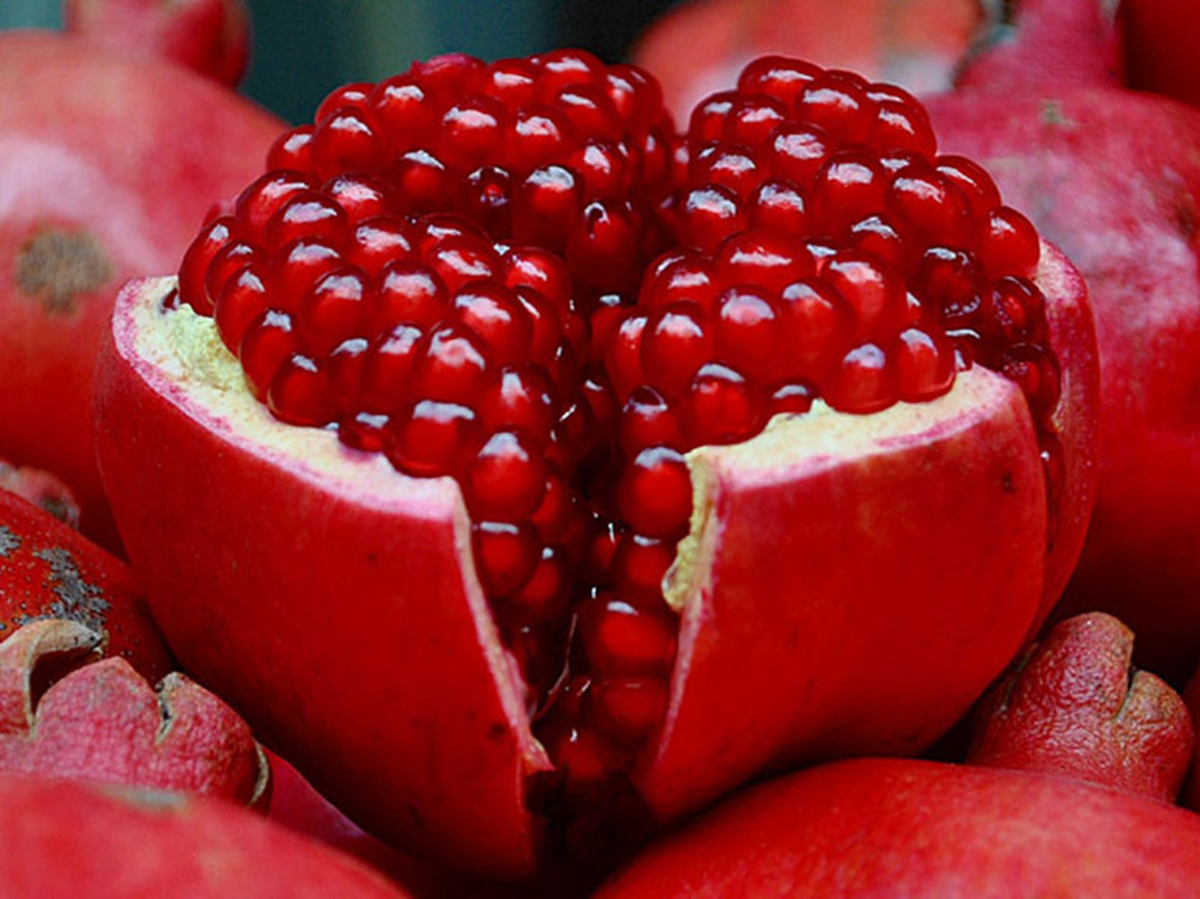
The Brain Health Benefits of Pomegranates
Pomegranate is not only a highly nutritious fruit but is also considered a “golden food” for nourishing and protecting the brain. Thanks to its high concentration of antioxidants, pomegranates may improve memory, support cognitive function, and reduce the risk of age-related neurological decline.
Key Nutrients Found in Pomegranates
- Polyphenols: Powerful antioxidants that protect cells from free radical damage
- Vitamin C: Supports immunity and tissue repair
- Vitamin K, folate, and potassium: Help maintain healthy circulation and stable nerve cell function
- Fiber: Supports digestive health, which may indirectly benefit the brain through the gut-brain connection
How Pomegranates Support Brain Function
Protect the Brain from Oxidative Stress
The brain is particularly vulnerable to damage from free radicals, which are associated with conditions such as Alzheimer's disease and Parkinson's disease. Compounds in pomegranates, including punicalagins, may help reduce inflammation and protect nerve cells.
Improve Memory
Regular consumption of pomegranates as part of a healthy diet may enhance memory and cognitive performance, especially in individuals experiencing mild cognitive decline.
Reduce Brain Inflammation
Chronic inflammation is one of the major contributors to brain aging. The bioactive compounds in pomegranates may help calm inflammatory responses, supporting learning and long-term brain protection.
Enhance Mood
By reducing oxidative stress and promoting blood flow to the brain, pomegranates may help ease anxiety, improve mood, and support better stress management.
A Simple Way to Support Long-Term Brain Health
Adding bananas and pomegranates to your daily diet can help improve memory, sharpen cognitive function, and protect the brain from aging and damage—supporting better mental health and long-term well-being.