Today, we’re diving deep into the root causes of acid reflux and heartburn — two common digestive issues that cause burning pain and discomfort — and exploring natural ways you can stop these problems once and for all.
3 Natural Ways to Stop Acid Reflux & Heartburn Permanently

Contrary to what many believe, the burning sensation you experience in your chest after a large meal or certain foods is not usually caused by having too much stomach acid. In fact, the cause is often the opposite.
Acid reflux and heartburn happen when the lower esophageal sphincter (LES)—a muscle valve at the base of your esophagus—doesn’t close properly. This failure lets stomach acid splash back into the esophagus, causing irritation.
Why does the LES fail to close?
About 90% of the time, this malfunction occurs due to low stomach acid, medically known as hypochlorhydria. Sufficient stomach acid is essential to signal the LES to close tightly after food enters the stomach. Without enough acid, the LES remains open, allowing acid to flow back up.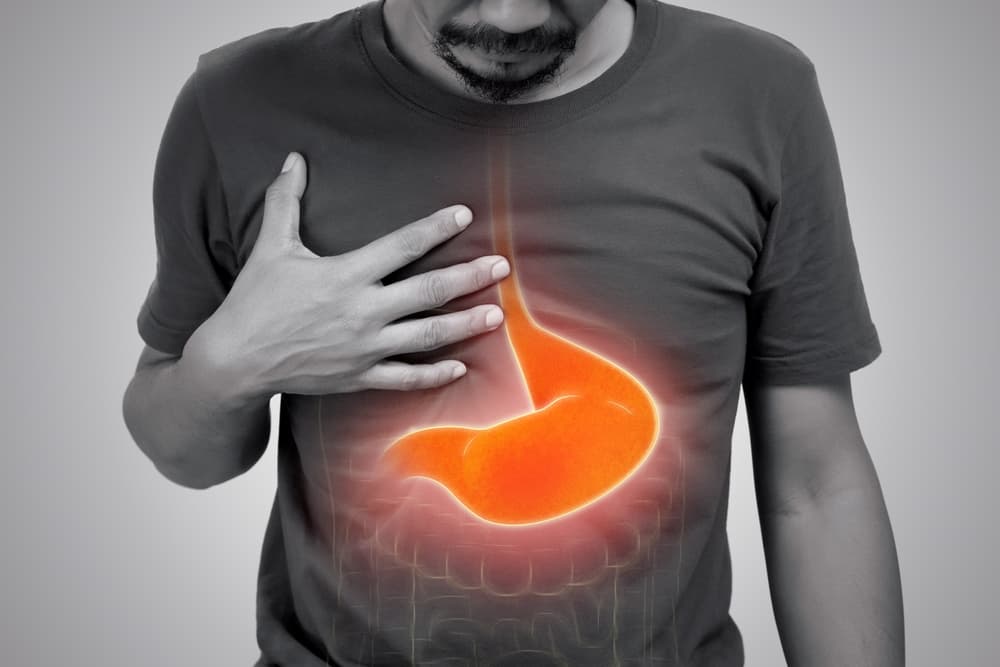
Unfortunately, stomach acid production naturally decreases with age and can be worsened by factors such as poor diet, chronic stress, and inflammation. Research shows that 30 to 40% of men and women over 60 produce little to no stomach acid because of a condition called atrophic gastritis, which is chronic inflammation of the stomach lining.
If low stomach acid is left untreated and heartburn occurs more than twice weekly, it can progress into a more serious condition known as GERD (Gastroesophageal Reflux Disease). GERD can cause complications like scarring, ulcers, and even esophageal cancer if ignored.
GERD is More Common Than You Think
About 20% of Americans suffer from GERD. Beyond heartburn, symptoms include tasting acid in the back of the throat, difficulty swallowing, sore throat, chronic cough, hiccups, bloating, dark stools, nausea, vomiting, and severe abdominal pain—especially when lying down.
For many decades, conventional medicine has treated these symptoms with antacids or acid blockers. While these drugs relieve pain, they do not address the root cause, which is often low stomach acid. This leads to lifelong dependence on medication, which can have serious side effects like osteoporosis, infections, and kidney or liver damage.
Why Low Stomach Acid Leads to Acid Reflux
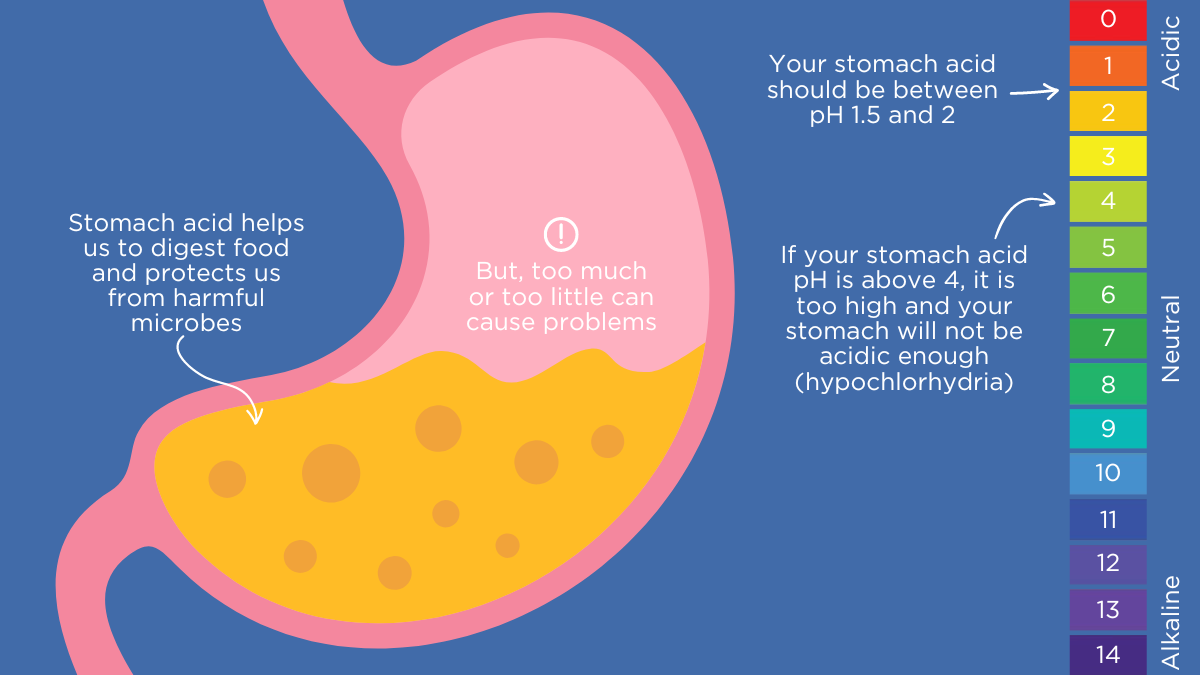
Understanding why low stomach acid triggers reflux is key to stopping it at its source. When food enters your stomach, it triggers the release of hydrochloric acid (HCl), a very strong acid with a pH between 1.5 and 3.0. This acid is crucial for breaking down food, especially proteins and meats, killing harmful bacteria, and activating enzymes like pepsin for digestion.
Stomach acid also tells the pyloric sphincter (a valve at the bottom of the stomach) when to open, allowing partially digested food (chyme) to enter the small intestine only once it reaches the correct acidity level.
If your stomach acid is low, food isn’t properly broken down, creating an environment where bacteria can overgrow by feeding on undigested carbohydrates. This bacterial overgrowth and the presence of undigested food increase pressure inside your stomach.
Since the pyloric sphincter won’t open without sufficient acidity, the only pressure release option is the LES opening, which allows acid to splash back into the esophagus, causing the burning sensation known as heartburn. This is often mistaken for “too much stomach acid,” but the actual problem is the opposite.
Even small amounts of acid refluxing into the esophagus cause pain because the esophageal lining is not built to withstand stomach acid. Over time, this weakens the LES, making it more “leaky” and worsening symptoms.
The Consequences of Low Stomach Acid
Low stomach acid doesn’t just cause reflux—it also leads to inflammation throughout your digestive tract. Chronic inflammation damages your small intestine, impairs nutrient absorption, increases food intolerances, triggers small intestinal bacterial overgrowth (SIBO), and causes leaky gut syndrome.
What Causes Low Stomach Acid?
Many factors contribute to reduced stomach acid, including:
-
Aging
-
Poor diet
-
Chronic stress and inflammation
-
Certain medications, such as antacids and proton pump inhibitors (PPIs)
-
Nutrient deficiencies, particularly zinc, potassium, and sodium, which are essential for acid production
-
Untreated hypothyroidism, since thyroid hormone is needed to stimulate acid production
-
Helicobacter pylori (H. pylori) infection, which damages stomach lining and hinders acid secretion, also leading to poor absorption of iron and vitamin B12 and increasing risk of SIBO
How to Naturally Increase Stomach Acid and Stop Acid Reflux
Here are three practical steps to boost your stomach acid naturally and put an end to acid reflux, heartburn, and GERD:
-
Supplement with Betaine Hydrochloride (Betaine HCL)
Betaine HCL is a natural compound found in foods like grains and beets. It acts like stomach acid to improve digestion. Before starting supplementation, test your stomach’s readiness by drinking two tablespoons of apple cider vinegar (ACV). If this causes a burning sensation, your stomach lining isn’t ready yet. Instead, take one tablespoon of diluted ACV with meals for 4-6 weeks. If no discomfort occurs, you can try 1-2 betaine HCL capsules with meals, gradually increasing dosage to relieve bloating and digestive discomfort.
-
Ensure Adequate Intake of Essential Nutrients
Your body needs potassium, sodium, and zinc to produce stomach acid. Eat a balanced diet rich in these minerals or consider supplementation after consulting with a healthcare professional.
-
Manage Stress Levels
Stress tightens stomach muscles and increases sensitivity to acid in the esophagus. Studies show that stressed individuals with reflux report more intense symptoms. Incorporate stress-reducing activities like meditation, yoga, or deep breathing exercises into your routine.
Additional Tips to Reduce Inflammation and Soothe Symptoms
If you already have acid reflux, here are four more ways to ease inflammation and discomfort:
-
Avoid foods that trigger symptoms. Reduce refined carbohydrates to prevent bacterial overgrowth, eliminate gluten, and limit high-fat foods (including cheese, nuts, and avocados) that relax the LES and cause heartburn. Also avoid peppermint, coffee, carbonated drinks, chocolate, alcohol, citrus fruits, onions, garlic, tomatoes, peppers, and spicy foods.
-
Incorporate anti-inflammatory, digestion-friendly foods such as root vegetables (carrots, sweet potatoes), leafy greens (spinach, broccoli), legumes (lentils, peas), low-acid fruits (apple, banana, pear), high-fiber whole grains (oatmeal, brown rice, quinoa), fermented foods (kimchi, sauerkraut, yogurt), and lean proteins (chicken, fish, tofu).
-
Make lifestyle adjustments: Sleep on your left side to reduce reflux, elevate your bed’s head, eat smaller frequent meals, avoid eating late at night, lose excess weight to decrease stomach pressure, and quit smoking to improve LES function.
-
Try natural remedies: Melatonin has been shown in studies to reverse GERD symptoms better than many acid blockers. Licorice extract (DGL) reduces inflammation and heartburn by 50% without affecting acid production. Demulcent herbs like slippery elm and marshmallow root create a protective coating on the esophagus and stomach lining, soothing irritation quickly.