Fruits are widely known for their health benefits. They provide vitamins, antioxidants, fiber, and natural sugars that support overall well-being. However, not all fruits are always as safe as they appear. In recent years, health experts and food safety organizations have warned that certain fruits may sometimes carry pesticide residues, spoil quickly, or become harmful if consumed in poor condition.
This does not mean people should stop eating fruit. On the contrary, fruits remain an important part of a balanced diet. But knowing which fruits require extra caution when buying, storing, and consuming them can help reduce potential risks.
Here are five types of fruit that experts say should be selected and handled carefully.
1. Fruits With Visible Damage or Bruises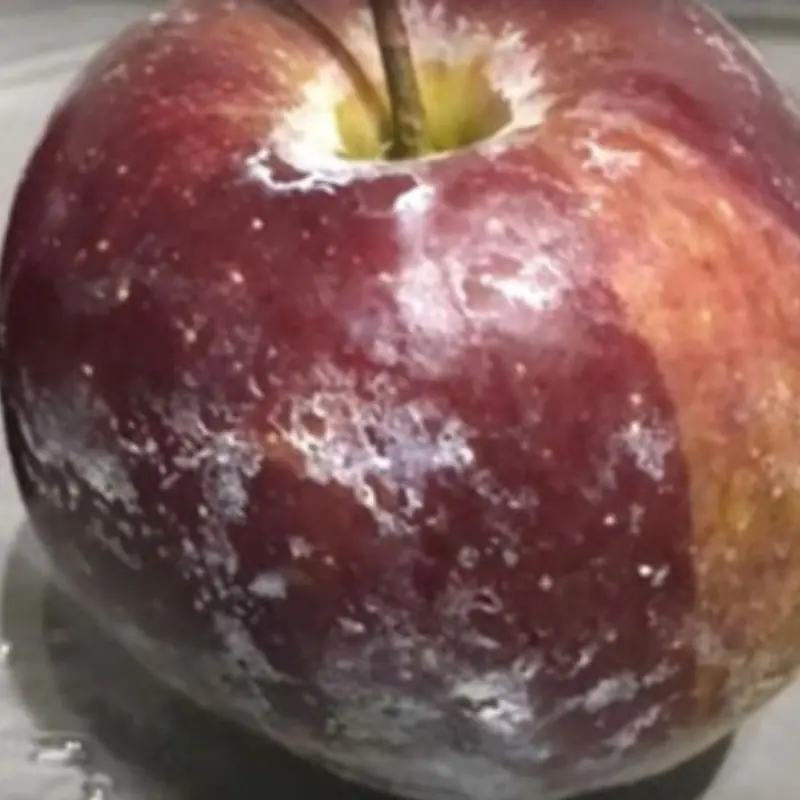
One of the most common mistakes consumers make is buying fruits that already show signs of damage. Bruised or cracked fruits may seem harmless, but they can quickly become breeding grounds for bacteria and mold.
When the skin of a fruit is broken, microorganisms can easily enter the flesh. Over time, this may cause the fruit to spoil faster and potentially lead to digestive discomfort if eaten.
Experts recommend avoiding fruits that appear overly soft, cracked, or leaking juice. Instead, choose fruits with firm texture and intact skin.
2. Overripe or Fermenting Fruits
While ripe fruit is delicious and nutritious, fruit that has become overripe can sometimes begin to ferment. This is especially common in fruits such as bananas, mangoes, berries, and grapes.
When fruit ferments, natural sugars begin to break down and produce alcohol and acids. In small amounts, this process is not necessarily harmful, but it can alter the taste and quality of the fruit.
Overripe fruit may also attract mold growth if left unrefrigerated for too long. Mold contamination can sometimes produce harmful compounds that should not be consumed.
To reduce risk, fruits should be stored properly and eaten while still fresh.
3. Fruits With High Pesticide Residue Risk
Another concern raised by food safety researchers involves pesticide residues found on some fruits. Agricultural pesticides are widely used to protect crops from insects and disease, but traces may remain on the surface of produce.
Studies analyzing thousands of food samples have shown that many fruits and vegetables contain detectable pesticide residues. In fact, research has found residues in a large portion of tested fruit samples, though most remain within regulatory safety limits.
Certain fruits with thin skins—such as strawberries, grapes, peaches, and apples—are often highlighted because they can retain more pesticide residue than thicker-skinned produce.
For this reason, many experts recommend thoroughly washing fruit under running water before eating. Some consumers also choose organic options when available.
4. Fruits That Have Been Stored Improperly
Even healthy fruit can become unsafe if it is stored incorrectly. Poor storage conditions—such as excessive heat, moisture, or long transportation times—can cause fruit to spoil faster.
For example, berries and grapes are particularly sensitive to moisture and can quickly develop mold if stored improperly. Citrus fruits may also deteriorate if kept in humid environments.
Refrigeration and proper ventilation can significantly extend the freshness of many fruits and help prevent bacterial growth.
5. Fruits With Artificial Ripening Chemicals
In some markets, fruits may be exposed to chemicals used to speed up the ripening process during transportation and storage. Although many of these chemicals are regulated, improper use may pose potential health concerns.
Artificial ripening agents are sometimes used to make fruits appear ready to eat sooner. However, if these substances are misused, they may leave residues on the fruit surface.
Experts suggest purchasing fruit from reliable vendors and washing it thoroughly before consumption to minimize possible exposure.
Why Fruits Are Still Important for Your Health
Despite these concerns, nutrition experts consistently emphasize that fruits remain essential for a healthy diet. They provide vital nutrients such as vitamin C, potassium, antioxidants, and fiber that support heart health, digestion, and immune function.
Organizations that study food safety also stress that the health benefits of consuming fruits and vegetables generally outweigh the risks associated with pesticide residues.
The key is not to avoid fruit altogether, but to make informed choices.
Simple Tips for Safer Fruit Consumption
Consumers can reduce potential risks by following a few simple steps:
-
Wash fruits thoroughly under running water before eating.
-
Remove damaged or moldy sections before consumption.
-
Store fruits at appropriate temperatures.
-
Choose fresh produce from trusted sources.
-
Consider peeling fruits with edible skins if concerned about residues.
These small habits can make a significant difference in food safety.