Your liver is one of the hardest-working organs in your body. Every day, it performs more than 500 essential functions, including filtering waste products from the blood, processing nutrients, producing bile for digestion, storing vitamins and minerals, regulating blood sugar, and helping metabolize medications.
Because the liver works continuously, maintaining its health is essential for your overall well-being. While no single food can "cleanse," "detox," or cure liver disease, a balanced diet rich in nutrient-dense whole foods can support normal liver function and reduce the risk of conditions such as non-alcoholic fatty liver disease (NAFLD).
Among the many healthy foods available, certain vegetables and fruits are especially rich in fiber, antioxidants, vitamins, and plant compounds that may help protect liver cells and support overall metabolic health.
Here are four vegetables and two fruits worth adding to your diet more often.
1. Broccoli
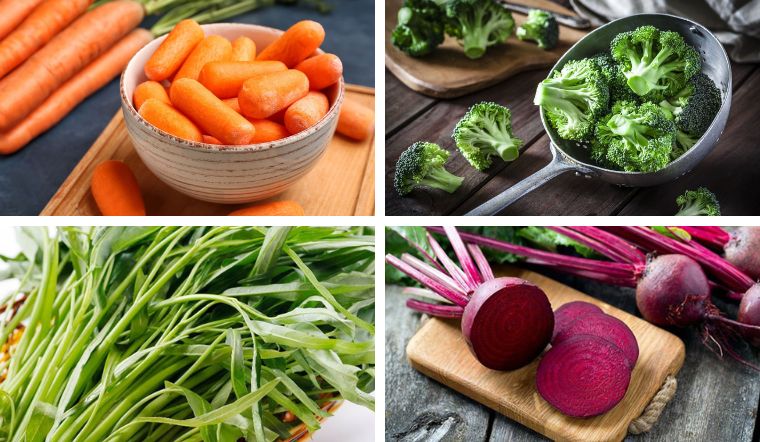
Broccoli is one of the most nutritious vegetables you can eat.
It contains:
-
Fiber
-
Vitamin C
-
Vitamin K
-
Folate
-
Potassium
-
Antioxidants
-
Sulforaphane, a natural plant compound
Sulforaphane has attracted scientific interest because of its potential role in supporting the body's natural detoxification enzymes and protecting cells from oxidative stress.
Broccoli also provides plenty of fiber, which supports digestive health and may help maintain a healthy body weight—an important factor in reducing the risk of fatty liver disease.
Easy ways to enjoy broccoli include:
-
Steamed as a side dish
-
Added to stir-fries
-
Mixed into soups
-
Roasted with olive oil
-
Tossed into salads
2. Spinach
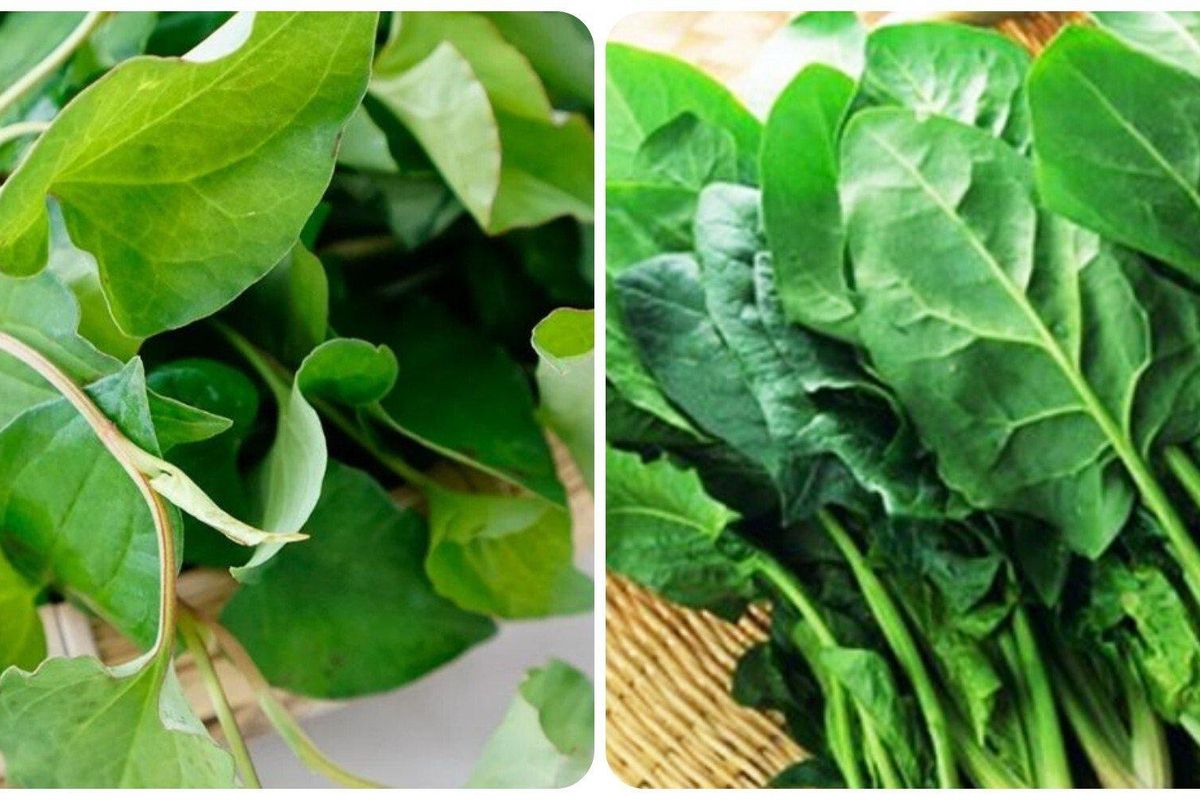
Spinach is packed with vitamins, minerals, and beneficial plant compounds.
It provides:
-
Vitamin A
-
Vitamin C
-
Vitamin K
-
Folate
-
Magnesium
-
Iron
-
Nitrates
-
Antioxidants
Leafy green vegetables like spinach may help reduce the accumulation of fat in the liver as part of an overall healthy diet.
Spinach is also low in calories while being high in nutrients, making it an excellent choice for maintaining a healthy weight.
Try adding spinach to:
-
Smoothies
-
Omelets
-
Salads
-
Soups
-
Pasta dishes
3. Beets
Beets are known for their deep red color, which comes from natural pigments called betalains.
They also contain:
-
Fiber
-
Folate
-
Potassium
-
Vitamin C
-
Dietary nitrates
Betalains have antioxidant properties that may help protect cells from oxidative stress.
Although more research is needed, including beets as part of a balanced diet may support cardiovascular health, circulation, and overall wellness, all of which indirectly benefit the liver.
Beets can be enjoyed:
-
Roasted
-
Boiled
-
Grated into salads
-
Blended into smoothies
-
Juiced in moderation
4. Garlic
Garlic has been valued in cooking and traditional diets for centuries.
It contains sulfur-containing compounds, including allicin, along with:
-
Vitamin B6
-
Vitamin C
-
Selenium
-
Manganese
Research suggests that garlic may support heart health and metabolic health, and some studies have explored its potential role in reducing liver fat in people with non-alcoholic fatty liver disease.
While garlic is not a treatment for liver disease, including it in meals can be part of a healthy eating pattern.
Use fresh garlic in:
-
Soups
-
Sauces
-
Stir-fries
-
Roasted vegetables
-
Marinades
5. Blueberries
Blueberries are among the richest fruit sources of antioxidants.
They contain:
-
Anthocyanins
-
Vitamin C
-
Vitamin K
-
Fiber
-
Manganese
Anthocyanins are natural pigments responsible for the berries' deep blue color and have been studied for their antioxidant and anti-inflammatory properties.
A diet rich in berries may help protect cells from oxidative stress, which is believed to contribute to many chronic diseases.
Fresh or frozen blueberries make excellent additions to:
-
Yogurt
-
Oatmeal
-
Smoothies
-
Salads
-
Healthy desserts
6. Grapefruit
Grapefruit contains several beneficial nutrients, including:
-
Vitamin C
-
Fiber
-
Potassium
-
Antioxidants such as naringin and naringenin
Laboratory research has investigated these plant compounds for their potential antioxidant effects.
However, it's important to note that grapefruit can interact with many prescription medications by affecting how they are broken down in the body.
If you take medications—especially for cholesterol, blood pressure, heart conditions, or certain mental health disorders—ask your healthcare provider or pharmacist whether grapefruit is safe for you.
If appropriate for your situation, grapefruit can be enjoyed:
-
Fresh
-
In fruit salads
-
As part of breakfast
Other Foods That Support Liver Health
A healthy liver benefits from an overall nutritious eating pattern rather than individual "superfoods."
Other liver-friendly choices include:
-
Oats
-
Beans
-
Lentils
-
Walnuts
-
Olive oil
-
Fatty fish such as salmon
-
Avocados
-
Green tea (in moderation)
Eating a variety of whole foods provides a broad range of nutrients that support overall health.
Lifestyle Habits That Protect Your Liver
Diet is only one part of maintaining a healthy liver.
Additional healthy habits include:
Maintain a healthy weight
Excess body fat increases the risk of non-alcoholic fatty liver disease.
Exercise regularly
Aim for at least 150 minutes of moderate physical activity each week.
Limit alcohol
Excessive alcohol consumption can damage liver cells over time.
Avoid smoking
Smoking contributes to many chronic diseases and may worsen liver health.
Get vaccinated
Vaccination against hepatitis A and hepatitis B can help prevent viral infections that affect the liver.
Use medications responsibly
Take medications exactly as directed and avoid exceeding recommended doses, especially with acetaminophen (paracetamol), which can harm the liver when taken in excessive amounts.
Foods to Limit
For better liver health, try to reduce:
-
Sugary beverages
-
Ultra-processed foods
-
Excessive alcohol
-
Large amounts of processed meats
-
Foods high in trans fats
-
Excess added sugars
A balanced diet is generally more beneficial than restrictive eating patterns.
Signs of Possible Liver Problems
Because liver disease often develops gradually, it's important to recognize symptoms that deserve medical evaluation.
These may include:
-
Yellowing of the skin or eyes (jaundice)
-
Persistent fatigue
-
Dark urine
-
Pale stools
-
Swelling in the legs or abdomen
-
Persistent nausea
-
Loss of appetite
-
Unexplained weight loss
If you notice these symptoms, consult a healthcare professional promptly.
The Bottom Line
Supporting your liver doesn't require expensive supplements or restrictive detox programs. In most cases, the best approach is a balanced diet rich in vegetables, fruits, whole grains, lean proteins, and healthy fats.
Broccoli, spinach, beets, garlic, blueberries, and grapefruit all provide valuable nutrients and plant compounds that may help support normal liver function as part of an overall healthy lifestyle. Combined with regular exercise, maintaining a healthy weight, limiting alcohol, and attending routine medical checkups, these foods can contribute to better liver health over the long term.
Your liver works tirelessly every day to keep your body functioning properly. Nourishing it with wholesome foods and healthy habits is one of the best investments you can make in your long-term health.