
9 Signs of Diabetes That Appear at Night: What You Need to Know!
9 Signs of Diabetes That Appear at Night: What You Need to Know!
Health 20/04/2026 20:27
Joint pain and inflammation can quietly disrupt everyday life — from simple movements like walking upstairs to more intense physical activities. While medications can provide relief, many people are now turning toward natural nutritional strategies to support joint health from within. One of the most powerful elements in this approach is collagen, a structural protein that plays a critical role in maintaining cartilage, tendons, and connective tissues.
As the body ages, collagen production declines. This can lead to joint stiffness, reduced flexibility, and chronic discomfort. The good news? Certain foods can stimulate collagen synthesis or provide the building blocks your body needs to restore it.
Collagen acts like a cushion between your bones. It helps joints move smoothly and prevents friction that leads to inflammation. When collagen levels drop, cartilage begins to wear down — a major contributor to conditions like osteoarthritis.
Supporting collagen production isn’t just about supplements. Diet plays a massive role. Nutrients like vitamin C, amino acids (glycine, proline), zinc, and copper are essential for collagen synthesis.


 4
4
Bone broth is often considered the gold standard when it comes to collagen-rich foods. Made by simmering animal bones for hours, it extracts collagen, gelatin, and essential minerals.
Why it works:
Regular consumption may help improve joint mobility and reduce stiffness over time.


 4
4
While citrus fruits don’t contain collagen themselves, they are essential for stimulating collagen synthesis.
Key benefits:
Adding oranges, lemons, or grapefruits to your daily routine can significantly enhance your body’s ability to produce collagen naturally.


 4
4
Vegetables like spinach, kale, and Swiss chard are loaded with chlorophyll, which may help increase collagen levels in the skin and connective tissues.
Why they matter:
A diet rich in greens can create a protective environment for joint health.


 4
4
Fish like salmon, mackerel, and sardines are rich in omega-3 fatty acids, which are known for their powerful anti-inflammatory effects.
How they help:
Omega-3s don’t directly produce collagen but protect the existing collagen matrix from degradation.


 4
4
Berries such as strawberries, blueberries, and raspberries are loaded with antioxidants and vitamin C.
Benefits include:
They are also easy to incorporate into your daily diet — smoothies, snacks, or breakfast toppings.
Egg whites contain high levels of proline, one of the key amino acids required for collagen production.
Why eggs matter:
Although eggs don’t contain connective tissue like meat, their amino acid profile makes them valuable.
Nuts and seeds such as almonds, walnuts, chia seeds, and flaxseeds are rich in zinc, copper, and healthy fats.
Their role:
A small handful daily can make a noticeable difference over time.
Eating the right foods is only part of the equation. To truly support joint health:
There’s no instant “magic fix” to erase joint pain overnight, despite what viral posts might claim. However, consistently incorporating collagen-supporting foods into your diet can significantly improve joint comfort, reduce inflammation, and enhance mobility over time.
Think of it as a long-term investment in your body. Small daily choices — like adding berries to breakfast or sipping bone broth — can gradually rebuild strength from within.
9 Signs of Diabetes That Appear at Night: What You Need to Know!

The Surprising Reasons Some People Keep a Lemon by Their Bed

The Morning Ginger Habit Some Men Follow for Better Health

This common food found in many homes may carry hidden health risks if eaten too often.

If your liver is struggling, you may feel pa.in in these parts of your body

Before a colonoscopy, here’s the key question you should ask your doctor

10 Early Signs of Dementia You Should NEVER Ignore!

Think your kettle is safe? Number 2 shocks everyone

Persistent itching may signal deeper health issues you shouldn't ignore.

Sweet potatoes are healthy—but only when eaten the right way.

Simple bedtime habits can play a big role in long-term health.
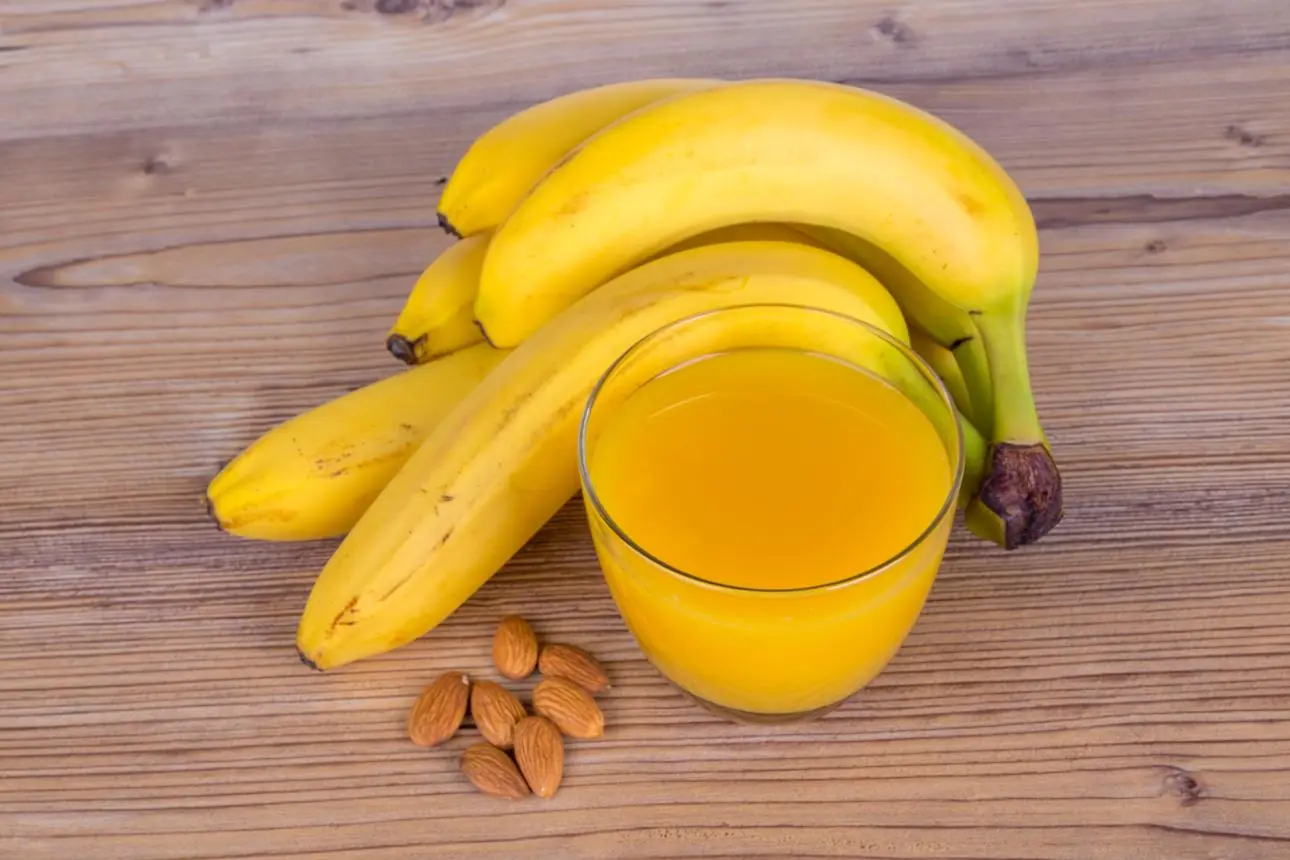
A banana before bed may support sleep and overall relaxation.

Doctors say parents should limit these 5 types of foods

50-Year-Old Man Diagnosed with End-Stage Kidney Failure After Drinking Coffee Daily

Eat a banana every day and see what happens

Especially #2 — many people miss this warning sign

Stop feeding your children these 5 foods immediately.
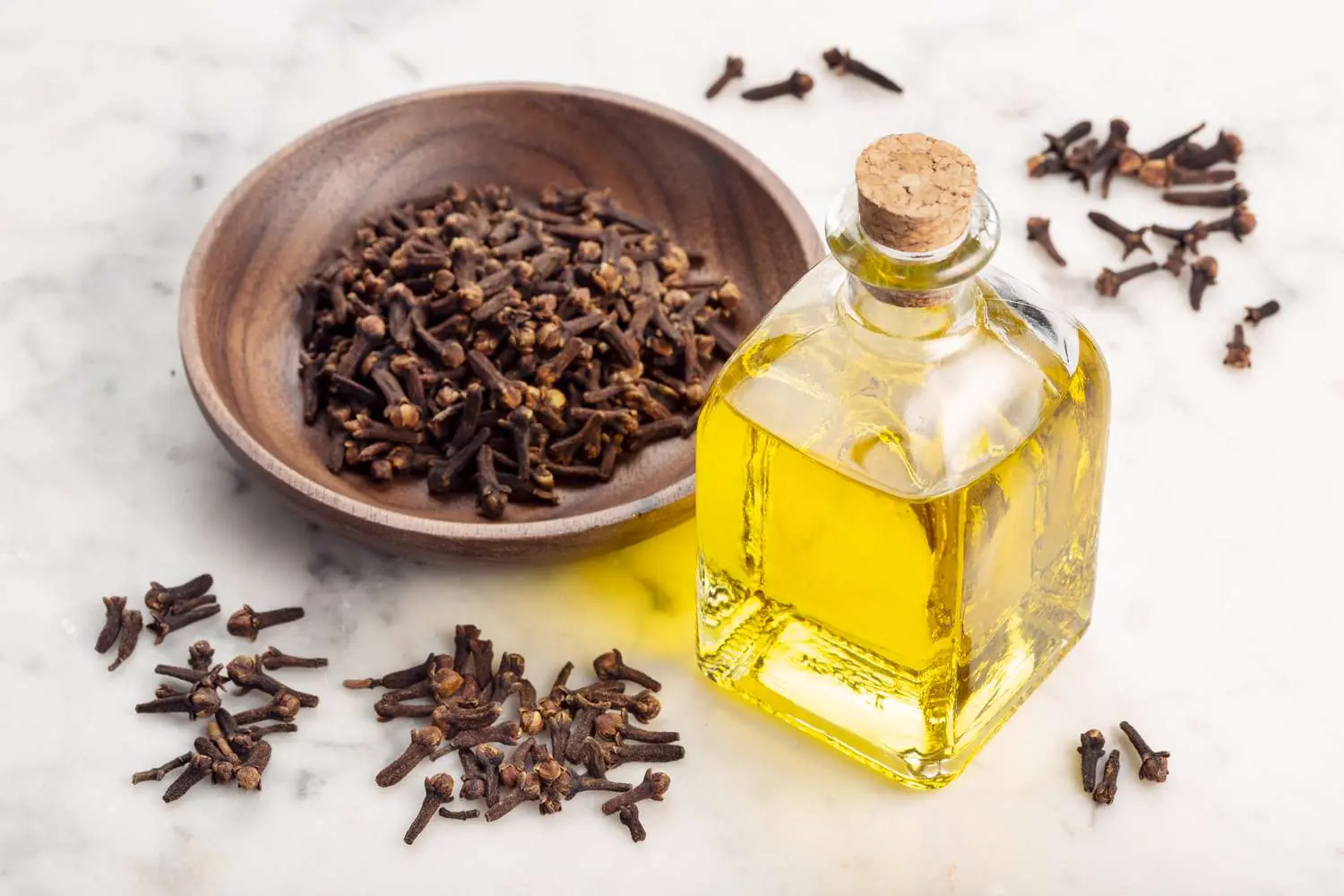
This tiny spice in your kitchen could transform your health

Burdock Root: The “Miracle Plant” People Talk About — What Science Actually Says

Li.ver Can.cer Doesn’t Start Loud—It Starts Quiet
9 Signs of Diabetes That Appear at Night: What You Need to Know!
The Surprising Reasons Some People Keep a Lemon by Their Bed
The Morning Ginger Habit Some Men Follow for Better Health
This common food found in many homes may carry hidden health risks if eaten too often.
If your liver is struggling, you may feel pa.in in these parts of your body
Before a colonoscopy, here’s the key question you should ask your doctor
10 Early Signs of Dementia You Should NEVER Ignore!
Think your kettle is safe? Number 2 shocks everyone
Persistent itching may signal deeper health issues you shouldn't ignore.
Sweet potatoes are healthy—but only when eaten the right way.
Simple bedtime habits can play a big role in long-term health.
A banana before bed may support sleep and overall relaxation.
Doctors say parents should limit these 5 types of foods
50-Year-Old Man Diagnosed with End-Stage Kidney Failure After Drinking Coffee Daily
Eat a banana every day and see what happens
Especially #2 — many people miss this warning sign
Stop feeding your children these 5 foods immediately.
This tiny spice in your kitchen could transform your health
Burdock Root: The “Miracle Plant” People Talk About — What Science Actually Says
Li.ver Can.cer Doesn’t Start Loud—It Starts Quiet