When it comes to protecting kidney function, diet plays a central role—especially the first meal of the day. For individuals concerned about kidney health (or already managing kidney conditions), a well-balanced breakfast that is low in sodium and carefully controlled in protein, potassium, and phosphorus can help reduce strain on the kidneys.
The goal is not to eliminate nutrients, but to maintain the right balance. Too much sodium can increase blood pressure, while excess protein, potassium, or phosphorus may put additional stress on the kidneys—particularly in people with reduced kidney function.
Let’s explore five kidney-friendly breakfast options that are both nutritious and easy to prepare.
1. Oatmeal with Fresh Berries
Oatmeal is a great base for a kidney-friendly breakfast when prepared correctly.
Why it works:
- Naturally low in sodium
- Contains moderate protein
- Provides fiber for digestive health
Adding fresh berries like strawberries or blueberries gives natural sweetness without excess potassium when used in moderate portions.
Tips:
- Avoid instant flavored oats (they often contain added sodium and sugar)
- Use water or low-phosphorus milk alternatives

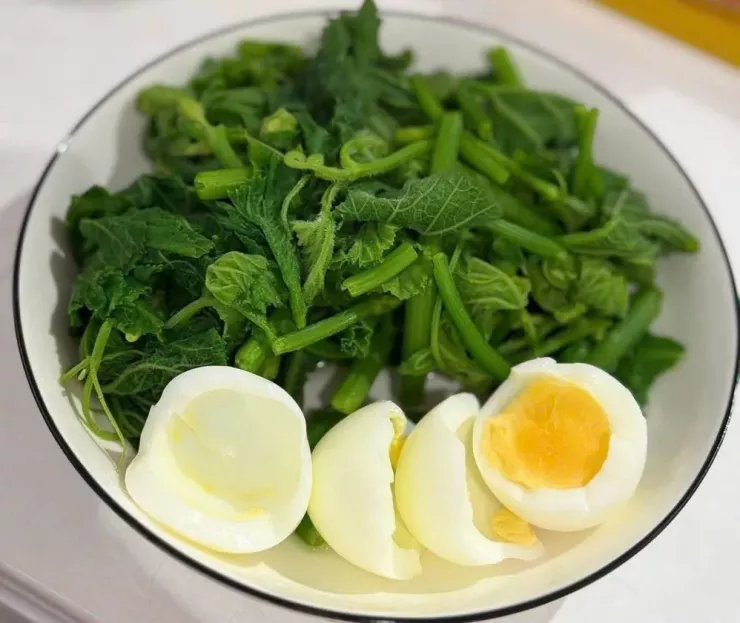
2. Egg White Scramble with Vegetables
Egg whites are an excellent source of high-quality protein with lower phosphorus compared to whole eggs.
Why it works:
- Provides protein without excessive phosphorus
- Low in sodium when prepared without added salt
- Easy to combine with low-potassium vegetables
You can add vegetables such as:
- Bell peppers
- Cabbage
- Onions
Tips:
Cook with minimal oil and avoid processed meats like sausages or bacon.
3. Whole Grain Toast with Avocado (in Moderation)
Whole grain toast provides fiber and energy, while avocado adds healthy fats.
Why it works:
- Balanced macronutrients
- Supports heart health (important for kidney patients)
However, avocado contains potassium, so portion control is key.
Tips:
- Use a thin layer of avocado
- Avoid adding salt—use herbs or lemon juice for flavor
4. Greek Yogurt with Low-Potassium Fruits
Greek yogurt is rich in protein, but it also contains phosphorus, so it should be consumed in controlled portions.
Why it works:
- Provides protein for energy and muscle support
- Can be paired with fruits like apples or berries
Tips:
- Choose plain, unsweetened yogurt
- Avoid adding high-potassium fruits like bananas in large amounts

5. Smoothie with Controlled Ingredients
A carefully prepared smoothie can be a convenient and kidney-friendly option.
Ingredients idea:
- Unsweetened almond milk
- A small portion of berries
- A spoon of oats
- A small amount of protein (such as yogurt or plant-based protein)
Why it works:
- Easy to digest
- Customizable to control potassium and phosphorus levels
Tips:
Avoid adding too many fruits or high-potassium ingredients at once.
Why Balance Matters
Kidney health depends on maintaining the right levels of key nutrients:
- Sodium: Excess can raise blood pressure and damage kidneys
- Protein: Necessary, but too much can increase kidney workload
- Potassium & Phosphorus: Must be balanced, especially in kidney disease
A thoughtful breakfast helps set the tone for the rest of the day.
Simple Guidelines for a Kidney-Friendly Breakfast
- Limit added salt and processed foods
- Choose fresh, whole ingredients
- Control portion sizes
- Stay hydrated with water
- Avoid overly sugary or packaged meals

Final Thoughts
A kidney-friendly breakfast doesn’t have to be complicated or restrictive. With the right balance of nutrients, you can enjoy meals that are both satisfying and supportive of your health.
By starting your day with a low-sodium, well-balanced breakfast, you’re giving your kidneys the support they need to function efficiently over time. Small, consistent choices—like what you eat in the morning—can make a meaningful difference in your long-term well-being.