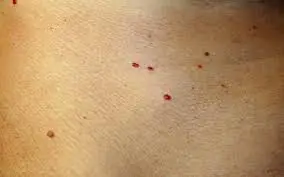
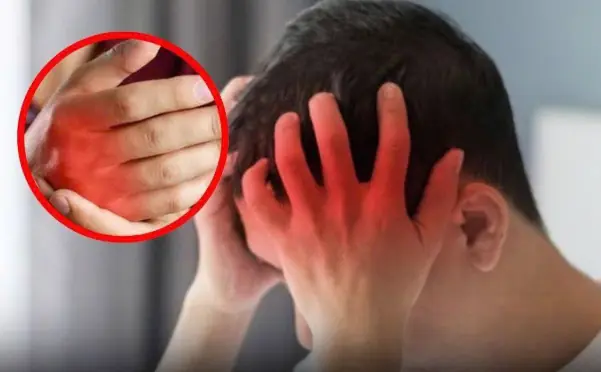
Noticed red dots on your skin? Here’s what they could mean
Small red spots on skin: why you should pay attention
Health 20/05/2026 13:05
Waking up with a dry mouth isn’t just uncomfortable—it can sometimes be your body’s way of signaling an underlying issue. While occasional dryness is often harmless, frequent nighttime dry mouth may be linked to lifestyle habits or certain health conditions.
Here are 8 possible reasons you may be experiencing dry mouth at night.

Not drinking enough water during the day is one of the most common causes. When your body lacks fluids, saliva production decreases, leading to a dry mouth during sleep and upon waking.
Breathing through your mouth instead of your nose can dry out saliva and lead to irritation. This often happens due to nasal congestion, allergies, or sleep habits.
Many medications can reduce saliva production, including antihistamines, antidepressants, blood pressure drugs, and diuretics. This side effect is a common cause of chronic dry mouth.
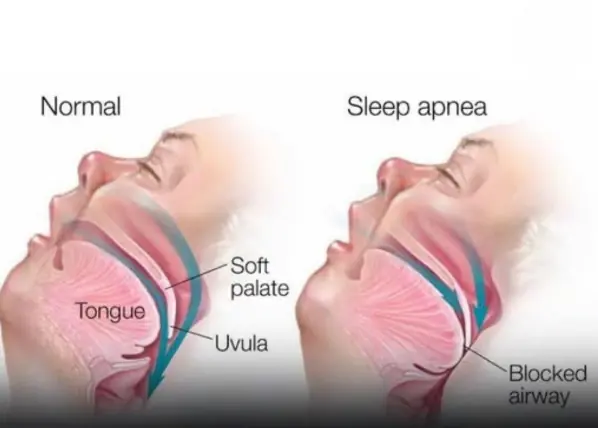
Sleep apnea is a condition where breathing repeatedly stops and starts during sleep. It often causes mouth breathing and may lead to persistent nighttime dry mouth along with snoring and fatigue.

High blood sugar levels can contribute to dry mouth by reducing saliva flow and increasing fluid loss through frequent urination. It may also be accompanied by increased thirst.
Smoking can affect saliva glands, while alcohol can dehydrate the body. Both habits are known to worsen dry mouth symptoms, especially at night.
Problems with the salivary glands, such as infections or blockages, can reduce saliva production and cause persistent dryness in the mouth.

Certain autoimmune disorders, such as Sjögren’s syndrome, can attack the glands that produce saliva and tears, leading to chronic dry mouth and dry eyes.
Nighttime dry mouth can have many possible causes, ranging from simple dehydration to more complex medical conditions. If it happens occasionally, improving hydration and sleep habits may help. However, if it is frequent or persistent, it’s important to consult a healthcare professional for proper evaluation.
Your body often sends subtle signals—paying attention to them can help you catch potential health issues early.
Small red spots on skin: why you should pay attention

Who should avoid eating cabbage?

Doctors warn that these 4 common habits may quietly increase women’s risk of ovarian cancer

A parasite invaded her eye after one common contact lens mistake

These 4 fruits may quietly damage your liver if eaten the wrong way 😳
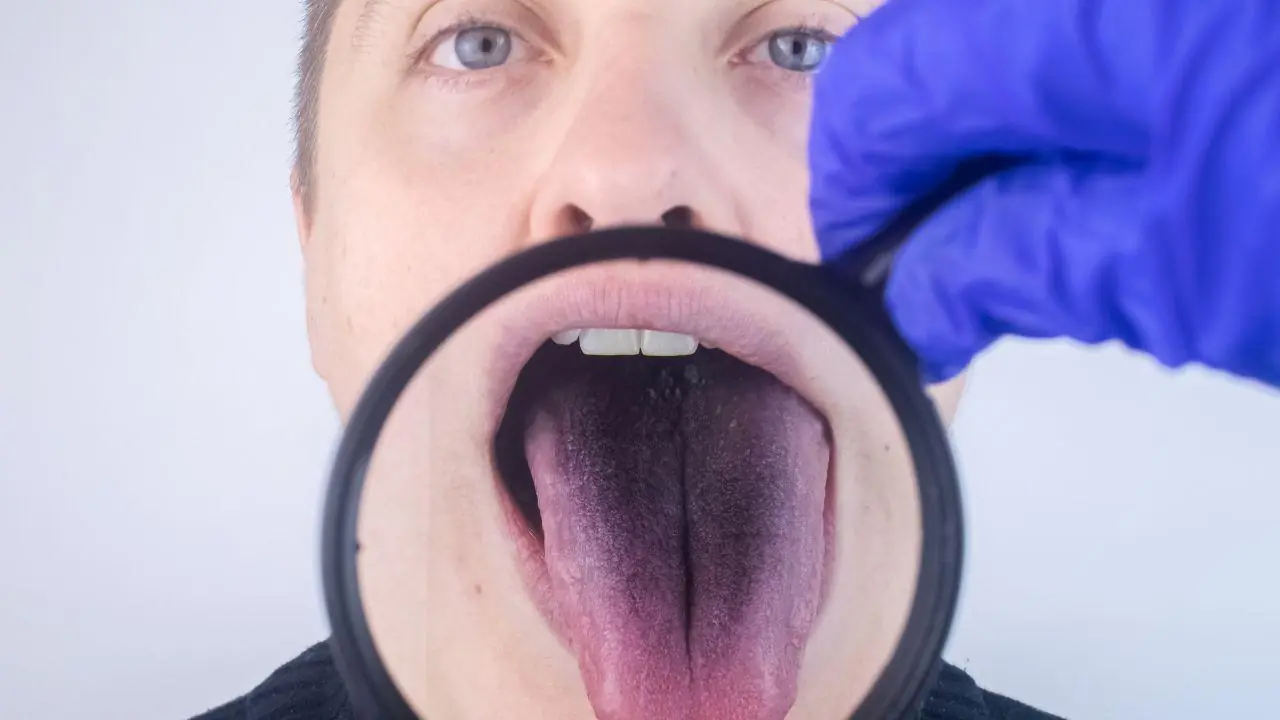
If your tongue shows these 6 warning signs, your body may already be in danger ⚠️


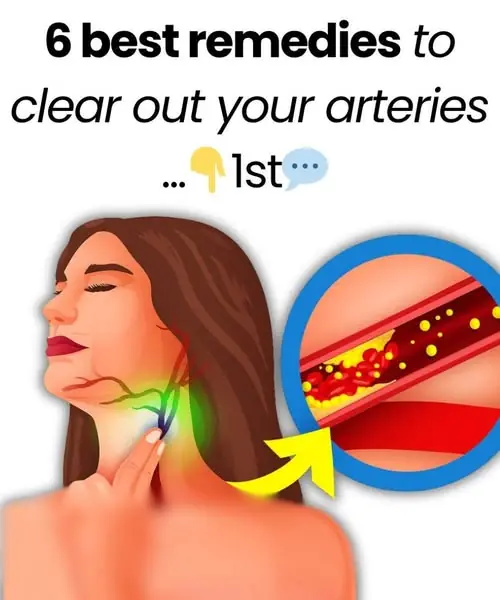
6 Best Remedies for Better Circulation and Artery Support… Starting With #1 👇

Too Much Gas? Here’s What Your Digestive System Might Be Telling You

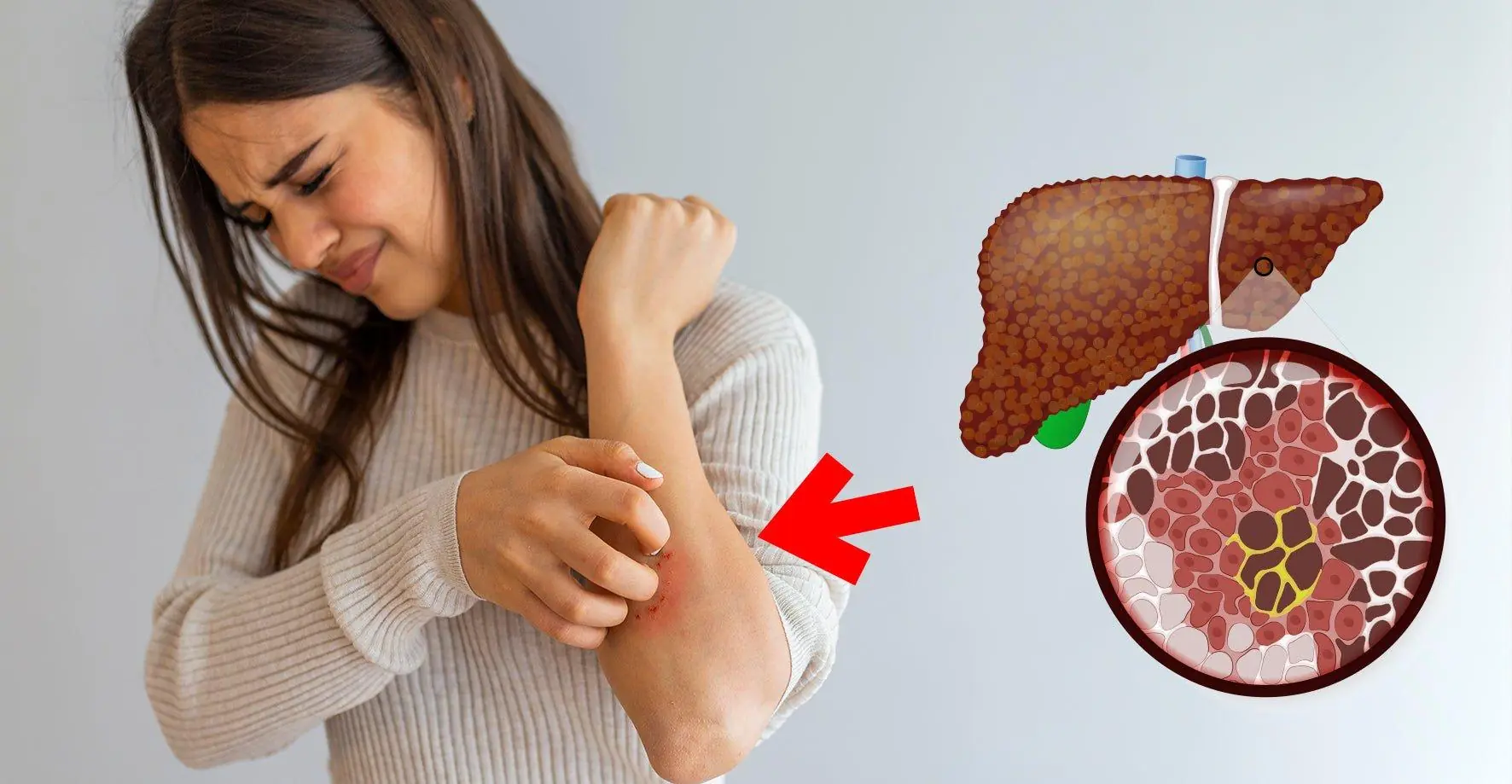
7 Skin Symptoms You Shouldn’t Ignore — They May Signal Liver Disease

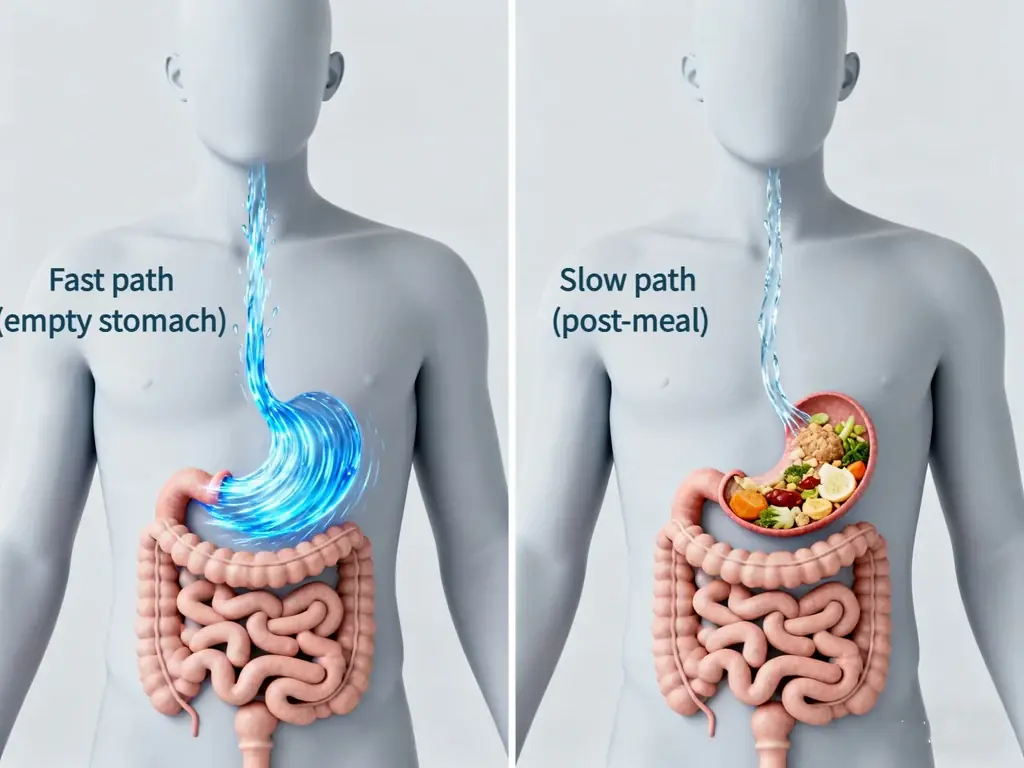
What Happens If You Drink Water on an Empty Stomach Every Morning?
Small red spots on skin: why you should pay attention
Who should avoid eating cabbage?
Doctors warn that these 4 common habits may quietly increase women’s risk of ovarian cancer

A parasite invaded her eye after one common contact lens mistake

These 4 fruits may quietly damage your liver if eaten the wrong way 😳
If your tongue shows these 6 warning signs, your body may already be in danger ⚠️
6 Best Remedies for Better Circulation and Artery Support… Starting With #1 👇
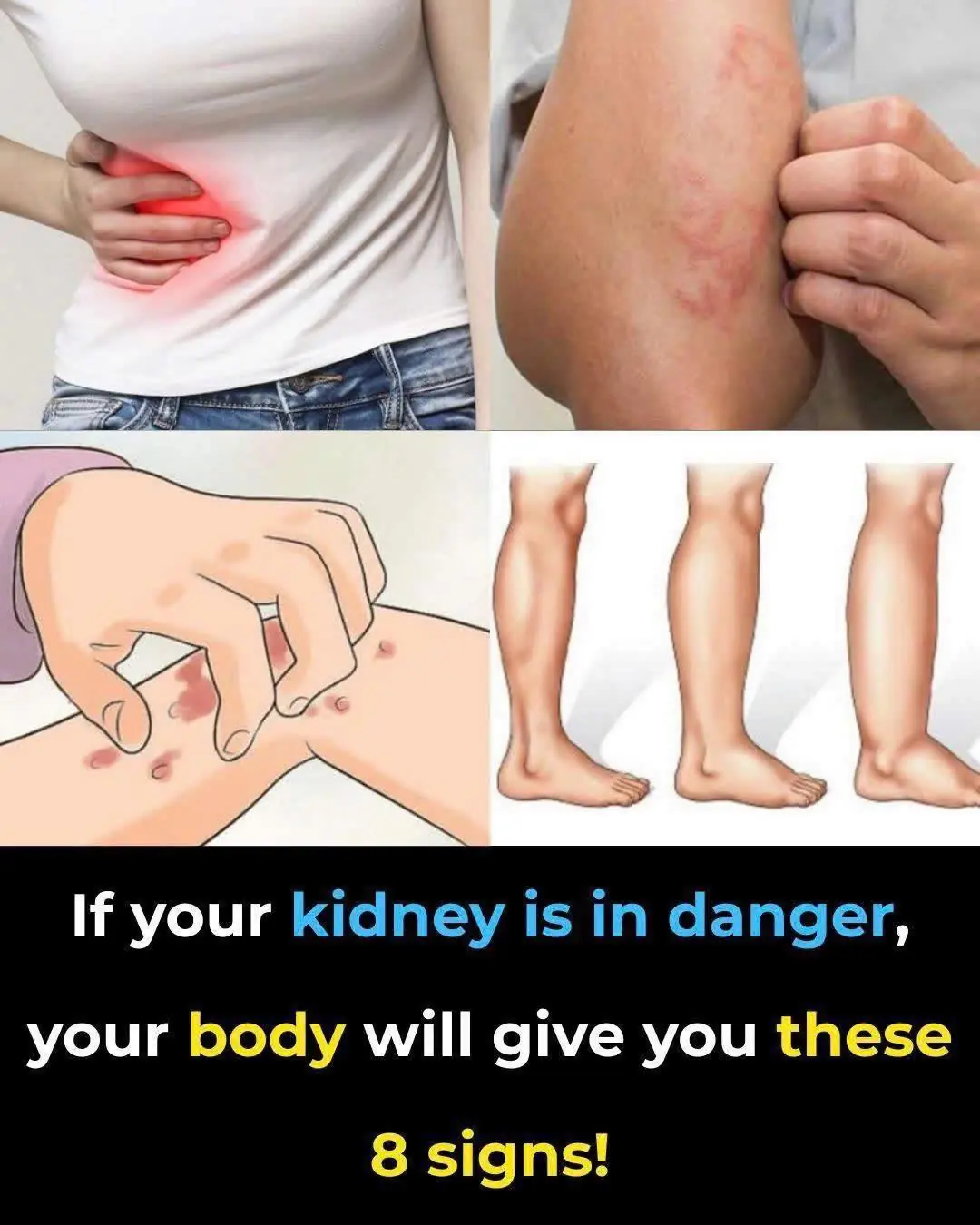
Too Much Gas? Here’s What Your Digestive System Might Be Telling You
7 Skin Symptoms You Shouldn’t Ignore — They May Signal Liver Disease