

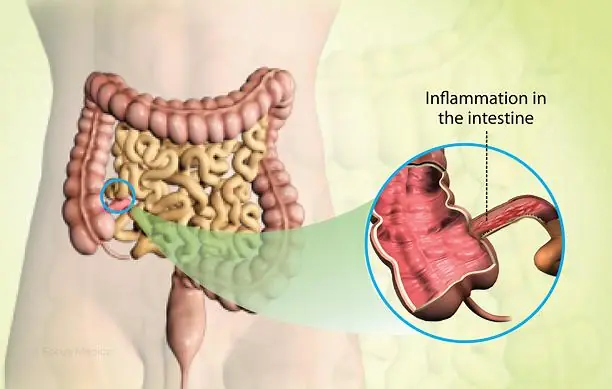
Severe Constipation and To.xic Megacolon: The Dangerous Warning Signs You Should Never Ignore
Health experts say these dangerous constipation symptoms should NEVER be ignored
Health 20/05/2026 00:29
Garlic has been used for thousands of years in kitchens and traditional medicine practices around the world. Known for its strong aroma and bold flavor, garlic is far more than just a cooking ingredient. Many people consider it one of nature’s most powerful superfoods because of the wide range of nutrients and plant compounds it contains.
Modern scientific research has explored garlic’s potential role in supporting:
Although garlic is not a miracle cure, adding moderate amounts to a balanced diet may offer several interesting health benefits. Understanding what makes garlic special helps explain why this ancient food continues to receive so much attention today.
Garlic belongs to the Allium family, which also includes:
Its strong smell comes from sulfur-containing compounds, especially a substance called allicin, which forms when garlic is chopped, crushed, or chewed.

Allicin and related compounds are believed to contribute to many of garlic’s potential health effects.
Garlic also contains:
One of the most researched areas involving garlic is cardiovascular health.
Some studies suggest garlic may help support:
Researchers believe sulfur compounds in garlic may help relax blood vessels and reduce oxidative stress.
However, garlic should never replace prescribed medication or medical treatment for heart disease.
Garlic has long been associated with immune support.
Some research suggests garlic compounds may help the body respond to infections and inflammation more effectively.
People often consume garlic during:
Although garlic cannot prevent all illnesses, it may contribute to overall immune health as part of a balanced lifestyle.
Antioxidants help protect cells from oxidative stress caused by unstable molecules called free radicals.
Oxidative stress has been linked to:
Garlic contains several antioxidant compounds that may help support long-term cellular health.
Garlic may influence digestive health in several ways.
Possible benefits include:
However, some individuals with sensitive stomachs may experience discomfort after eating large amounts of raw garlic.
Historically, garlic was sometimes used in traditional medicine practices because of its natural antimicrobial properties.
Laboratory studies have shown that garlic compounds may affect certain bacteria and fungi.
This is one reason garlic became popular in traditional wellness practices long before modern antibiotics existed.
However, garlic should not be considered a replacement for professional medical treatment during serious infections.
Chronic inflammation has been associated with many long-term health conditions.
Some researchers believe garlic’s sulfur compounds may help support healthy inflammatory responses.
Balanced diets rich in vegetables, fruits, and plant-based foods may help support overall wellness.
Some studies have explored garlic’s potential relationship with:
Although results vary, garlic is commonly included in healthy dietary patterns because it adds flavor without excessive calories or processed ingredients.
Preparation methods may affect garlic’s active compounds.
Allowing chopped garlic to sit for several minutes before cooking may help preserve some beneficial compounds.
While garlic is healthy for many people, excessive amounts may cause:
Some individuals may also experience allergic reactions.
People taking blood-thinning medication should speak with healthcare professionals before consuming large garlic supplements because garlic may affect blood clotting.
Garlic supplements are widely available, but their quality and concentration vary.
Fresh garlic generally provides:
Supplements should be used carefully and ideally under medical guidance.
Garlic can be added to:
Its strong flavor makes it an easy way to enhance meals naturally.
Garlic remains one of the most widely used foods globally because it combines:
Across many cultures, garlic has long symbolized health, strength, and protection.
Garlic is much more than a flavorful kitchen ingredient. Rich in antioxidants and sulfur compounds, it may help support heart health, immune function, digestion, and overall wellness when included as part of a balanced diet.
Although garlic is not a cure-all, moderate daily use may offer several meaningful health benefits. At the same time, excessive intake or supplements may not be suitable for everyone, especially individuals with digestive sensitivity or certain medical conditions.
As with most healthy foods, balance, variety, and consistency are key. Garlic’s long history and continued scientific interest show why this natural superfood still deserves attention today.
This article is for informational purposes only and should not replace professional medical advice, diagnosis, or treatment.
Health experts say these dangerous constipation symptoms should NEVER be ignored

Health Expert Reveals Warning Signs of Two Silent Foot K.ill.ers and How To Spot Them

Start your morning right: 5 habits to follow before drinking water

These Foot Symptoms May Sometimes Signal Liver Problems

Health experts warn some coffee additives may affect heart function.

What science says about bitter melon and its powerful natural properties 😲

Could Certain Vegetables Affect Kidney Health? Doctors Weigh In After Hospital Case

5 Common Body Changes That May Be Linked to Fatty Liver Disease
This juicy fruit could become one of the healthiest additions to your diet

Doctors Say These 8 Symptoms May Sometimes Be Linked to Cervical Can.cer

Doctors reveal early body signals linked to possible heart problems.

These 10 Subtle Body Changes Could Potentially Signal a Stroke

The Forgotten Benefits and Everyday Uses of Garlic Peels

Leaving a Glass of Water by Your Bed Could Cause Unexpected Problems

Kidney Problems May Cause These Unusual Changes in the Feet

4 Groups of People Who May Need to Limit or Avoid Cucumbers

The Truth About Nail Polish That Many People Discover Too Late

What Really Happens to Your Body When You Eat Cucumbers Every Day?

This Simple Corn Silk Drink Has Been Passed Down Through Generations
Health experts say these dangerous constipation symptoms should NEVER be ignored
Health Expert Reveals Warning Signs of Two Silent Foot K.ill.ers and How To Spot Them
Start your morning right: 5 habits to follow before drinking water
These Foot Symptoms May Sometimes Signal Liver Problems

Lost luggage ruins thousands of trips every year — but travelers say this simple trick makes a huge difference.
Health experts warn some coffee additives may affect heart function.
What science says about bitter melon and its powerful natural properties 😲
Could Certain Vegetables Affect Kidney Health? Doctors Weigh In After Hospital Case
5 Common Body Changes That May Be Linked to Fatty Liver Disease
Not all seafood is the same — tilapia comes with some surprising concerns 👀
This juicy fruit could become one of the healthiest additions to your diet
Doctors Say These 8 Symptoms May Sometimes Be Linked to Cervical Can.cer
Doctors reveal early body signals linked to possible heart problems.
These 10 Subtle Body Changes Could Potentially Signal a Stroke
The Forgotten Benefits and Everyday Uses of Garlic Peels
Leaving a Glass of Water by Your Bed Could Cause Unexpected Problems
Kidney Problems May Cause These Unusual Changes in the Feet
4 Groups of People Who May Need to Limit or Avoid Cucumbers
The Truth About Nail Polish That Many People Discover Too Late