Many households rely on rice cookers and non-stick cookware for daily meals, rarely thinking about the condition of their inner coatings. However, experts warn that when these coatings become scratched or start to peel, they may pose hidden health risks — including the release of thousands of microplastic particles into food every single day.
How Do Microplastics Get Into Your Food?
Non-stick cookware and some rice cooker pots are coated with synthetic materials designed to prevent food from sticking. Over time, frequent stirring with metal utensils, abrasive cleaning, or high heat can damage this layer. When the coating deteriorates, tiny plastic particles can flake off and mix directly into your meals.
Recent studies estimate that damaged non-stick surfaces may release up to 10,000 microplastic particles per day under regular cooking conditions.
Why Are Microplastics a Concern?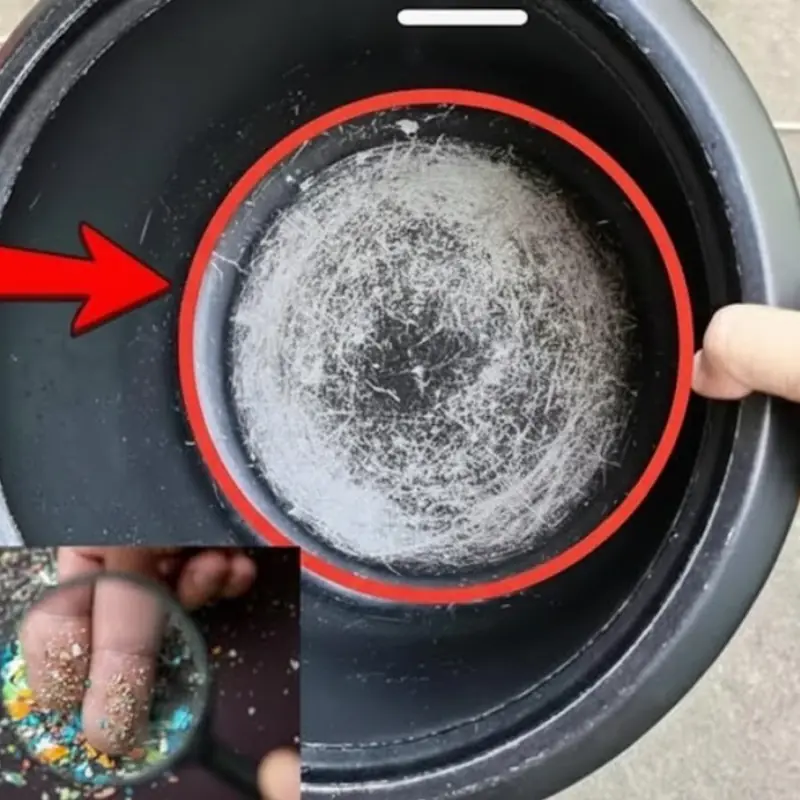
Microplastics are extremely small plastic fragments that can accumulate in the human body. Research has linked long-term exposure to potential risks such as:
-
Inflammation and oxidative stress
-
Hormonal disruption
-
Effects on gut health
-
Increased burden on the liver and kidneys
Although scientists are still studying the full impact, many health experts agree that minimizing daily exposure is a wise precaution.
Warning Signs You Should Not Ignore
You should consider replacing your cookware if you notice:
-
Visible scratches or peeling on the inner surface
-
Food sticking more often than before
-
Flakes or discoloration inside the pot or pan
Continuing to use damaged cookware significantly increases the chance of ingesting microplastics.
How to Protect Yourself and Your Family
Doctors and food safety specialists recommend:
-
Avoid using metal utensils on non-stick surfaces
-
Do not scrub with rough scouring pads
-
Cook at moderate temperatures
-
Replace cookware immediately once the coating is damaged
-
Consider safer alternatives such as stainless steel, cast iron, or ceramic-coated cookware
The Bottom Line
Scratched or peeling non-stick cookware may look like a minor inconvenience, but it could be silently adding thousands of microplastic particles to your daily diet. Checking your kitchen tools and replacing worn-out items is a simple yet important step toward protecting long-term health.