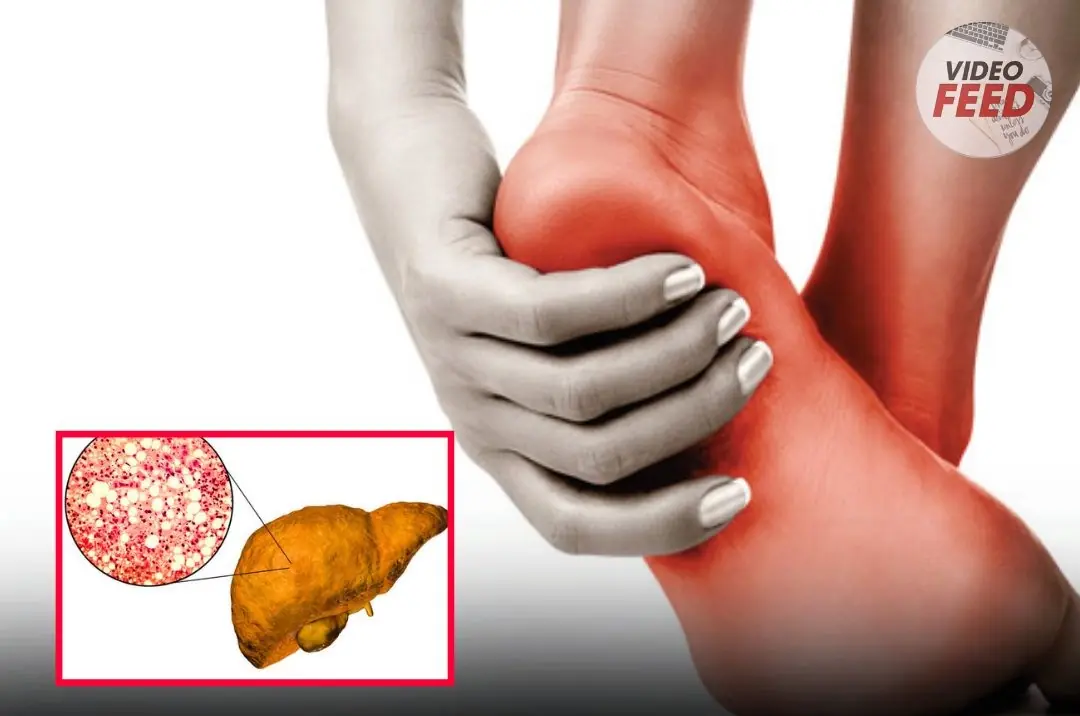
Fatty Liver Disease: The Foot Sign Doctors Say Should Never Be Ignored
Fatty liver disease is often called a “silent condition” because it can progress for years without obvious symptoms. Many people only discover the problem during routine blood tests or imaging scans. However, doctors warn that when certain signs appear in the feet, the disease may already be at an advanced stage.
While fatty liver disease is often reversible in its early phases, late-stage liver damage can lead to serious and sometimes permanent complications. Understanding what your body is trying to tell you may make a critical difference.
Why the Liver Affects Your Feet
The liver plays a central role in:
-
Detoxifying the blood
-
Regulating circulation
-
Balancing proteins and fluids
-
Supporting nutrient absorption
When the liver becomes severely damaged, these systems begin to fail. The feet, being farthest from the heart, are often the first place where circulation and fluid problems become visible.
The Warning Sign: Persistent Swollen, Painful, or Red Feet
Doctors say one of the most concerning signs linked to advanced fatty liver disease is chronic swelling and inflammation in the feet and ankles, especially when it:
-
Does not improve with rest
-
Feels tight, painful, or warm
-
Is accompanied by skin discoloration
-
Worsens over time
This condition is known as peripheral edema, and in liver disease, it often indicates significant impairment of liver function.
What Causes This Foot Symptom
In advanced fatty liver disease, several dangerous processes occur:
1. Low Albumin Levels
The damaged liver produces less albumin, a protein that keeps fluid inside blood vessels. When albumin drops, fluid leaks into surrounding tissues, causing swelling in the feet and legs.
2. Poor Blood Circulation
Liver scarring disrupts blood flow, leading to increased pressure in the veins. This pressure forces fluid downward due to gravity.
3. Inflammation and Nerve Stress
Liver disease can trigger chronic inflammation, which may cause foot pain, burning sensations, or redness.
Why Doctors Consider This a Late Warning Sign
Medical specialists emphasize that foot swelling linked to liver disease usually appears after long-term damage, often associated with:
-
Advanced fatty liver disease
-
Liver fibrosis
-
Cirrhosis
At this stage, the condition may no longer be fully reversible, although progression can sometimes be slowed with aggressive treatment and lifestyle changes.
Other Symptoms Often Seen Alongside Foot Changes
If foot swelling is caused by liver disease, it is rarely the only symptom. Doctors often see it together with:
-
Extreme fatigue
-
Yellowing of the skin or eyes (jaundice)
-
Easy bruising
-
Abdominal bloating or fluid buildup
-
Unexplained weight loss
-
Mental confusion or poor concentration
The presence of multiple symptoms significantly increases con