8 Signs You Have Too Much Sugar in Your Body (And What to Do About It)
Sugar is everywhere—from obvious sweets to hidden sources in sauces, drinks, and even “healthy” snacks. While the body needs some glucose for energy, too much sugar can quietly disrupt nearly every system in your body.
The scary part? The signs are often subtle at first.
Let’s break down the 8 warning signals your body might be giving—and what actions actually work to fix it.
Why Too Much Sugar Is Dangerous
When sugar intake is consistently high, your body struggles to regulate blood glucose levels. Over time, this can lead to:
- Insulin resistance
- Weight gain
- Chronic inflammation
- Increased risk of type 2 diabetes and heart disease
Your body does warn you—you just need to recognize the signals.
1. Constant Fatigue (Even After Rest)


 4
4
After consuming sugar, blood glucose spikes quickly—then crashes just as fast.
This rollercoaster leaves you feeling:
- Drained
- Sleepy
- Mentally foggy
👉 Fix: Replace sugary snacks with protein + healthy fats (e.g., nuts, eggs).
2. Frequent Hunger and Cravings
You eat… and still feel hungry.
High sugar intake disrupts hunger hormones, making your body crave:
- More sugar
- More carbs
👉 Fix: Increase fiber (vegetables, whole grains) to stay full longer.
3. Dark Skin Patches (Acanthosis Nigricans)


 4
4
Dark, velvety patches—especially around the neck, armpits, or groin—can signal insulin resistance.
👉 Fix: Cut refined sugar and get blood sugar levels checked.
4. Frequent Urination & Excessive Thirst
If you're constantly thirsty and visiting the bathroom more than usual, your body may be trying to flush out excess sugar.
👉 Fix: Hydrate properly and reduce sugary drinks immediately.
5. Unexplained Weight Gain (Especially Belly Fat)
Excess sugar—especially fructose—gets stored as fat, particularly around the abdomen.
👉 Fix: Reduce processed foods and sugary beverages.
6. Skin Problems (Acne, Inflammation)


 4
4
High sugar levels increase inflammation and oil production, leading to:
- Acne
- Redness
- Breakouts
👉 Fix: Focus on low-glycemic foods and hydration.
7. Slow Healing Wounds
Cuts and bruises taking longer to heal? High blood sugar can damage blood vessels and reduce healing efficiency.
👉 Fix: Maintain stable glucose levels and eat nutrient-rich foods.
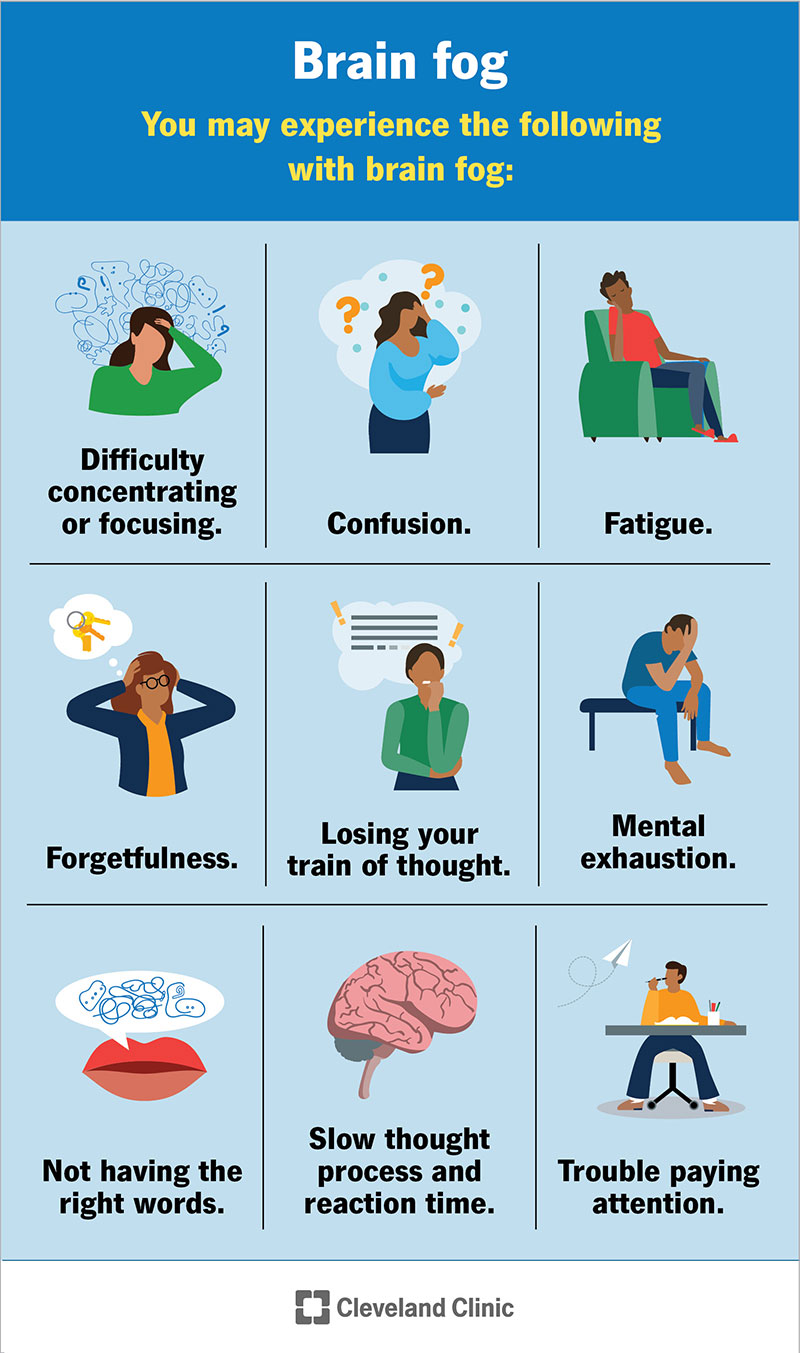
8. Brain Fog & Difficulty Concentrating

 4
4
Sugar spikes affect brain function, leading to:
- Poor focus
- Memory issues
- Mood swings
👉 Fix: Stabilize blood sugar with balanced meals.
What You Should Do Starting Today
Here’s a realistic, effective approach:
1. Cut Hidden Sugars
Check labels—sugar hides under names like:
- High-fructose corn syrup
- Maltose
- Dextrose
2. Eat Whole Foods
Prioritize:
- Vegetables
- Lean protein
- Whole grains
- Healthy fats
3. Balance Every Meal
A good rule:
Protein + Fiber + Healthy Fat = Stable Blood Sugar
4. Stay Active
Even light exercise helps your body use glucose more efficiently.
5. Sleep & Stress Control
Poor sleep and stress increase sugar cravings and insulin resistance.
Final Thought
Too much sugar doesn’t just affect weight—it affects your entire body, from your skin to your brain.
The good news? Your body can recover quickly once you reduce sugar and build healthier habits.
Start small. Stay consistent. Your future self will thank you.