🔴 If Your Hands “Fall Asleep” Often, This Could Be What Your Body Is Trying to Tell You

Waking up with numb or “tingling” hands is a common experience. Most of the time, it’s harmless and temporary. However, if it happens frequently, your body may be signaling an underlying issue related to nerves, blood flow, or posture.
Here’s what doctors say it could mean — and when you should pay attention.
🧠 What Does “Hands Falling Asleep” Mean?
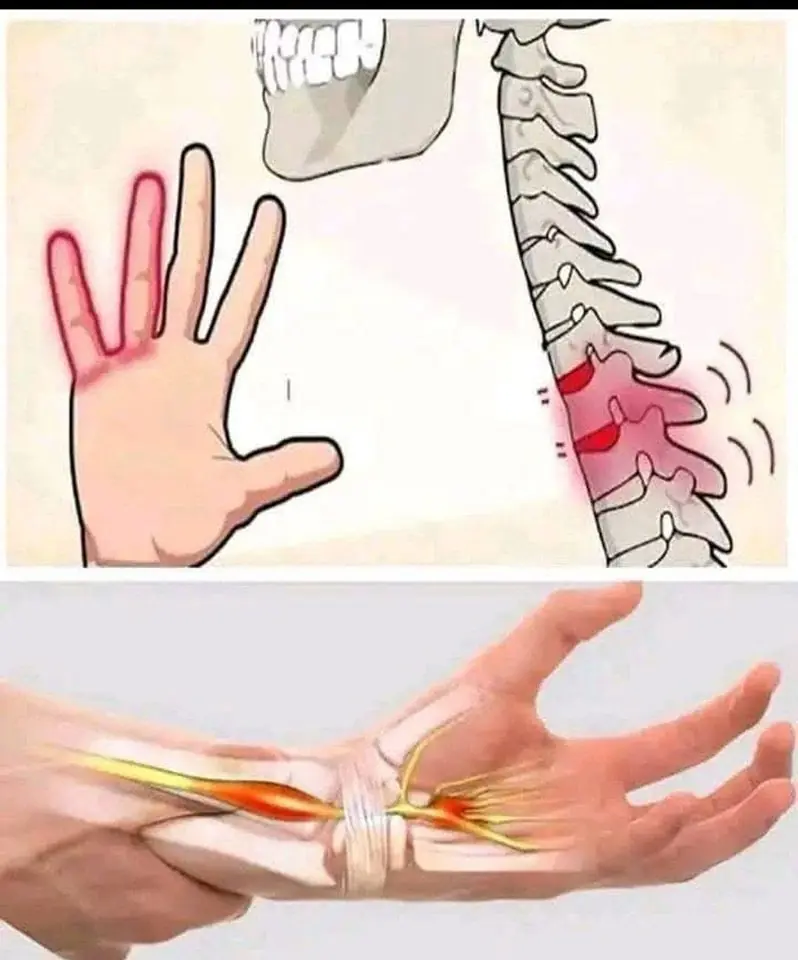
This sensation, often described as tingling, numbness, or “pins and needles,” usually happens when there is temporary pressure on nerves or reduced blood flow to the hands.
It often resolves quickly once you change position — but repeated episodes may need attention.
🔎 Common Causes
1. Poor sleeping position
Sleeping with your arm under your head or body can compress nerves and reduce circulation.
2. Carpal tunnel syndrome
One of the most common causes. It happens when the median nerve in the wrist is compressed, often due to repetitive hand movements.
3. Nerve compression in the neck or spine
Issues like a herniated disc or cervical spine problems can affect nerve signals to the arms and hands.
4. Poor circulation
Reduced blood flow from conditions like diabetes, smoking, or vascular problems may lead to tingling sensations.
5. Vitamin deficiencies
Low levels of vitamin B12 or other nutrients can affect nerve health.
⚠️ When It Might Be More Serious
You should pay attention if numbness or tingling:
- Happens frequently or daily
- Lasts a long time
- Affects one side of the body only
- Comes with weakness or pain
- Is accompanied by speech or vision problems
In rare cases, sudden numbness on one side of the body can be a warning sign of a stroke and requires emergency care.
🏥 What You Can Do

Depending on the cause, simple steps may help:
- Adjust your sleeping position
- Take breaks from repetitive hand movements
- Stretch your hands and wrists regularly
- Maintain good posture
- Improve diet and hydration
If symptoms persist, a doctor may recommend tests to check nerve or circulation health.
💡 Final Thoughts
Occasional “sleeping hands” are usually not dangerous. However, frequent or persistent numbness should not be ignored, especially if it starts affecting your daily life.
Your body often gives small warning signals before bigger problems develop — the key is knowing when to listen.
📚 Sources
- Mayo Clinic – Carpal Tunnel Syndrome: https://www.mayoclinic.org
- Cleveland Clinic – Numbness and Tingling Causes: https://my.clevelandclinic.org
- NHS UK – Numbness and Tingling Information: https://www.nhs.uk
- MedlinePlus (NIH) – Peripheral Nerve Disorders: https://medlineplus.gov