
5 Unusual Signs in Your Feet That Might Be Your Kid.neys Crying for Help
Health 27/05/2026 16:43
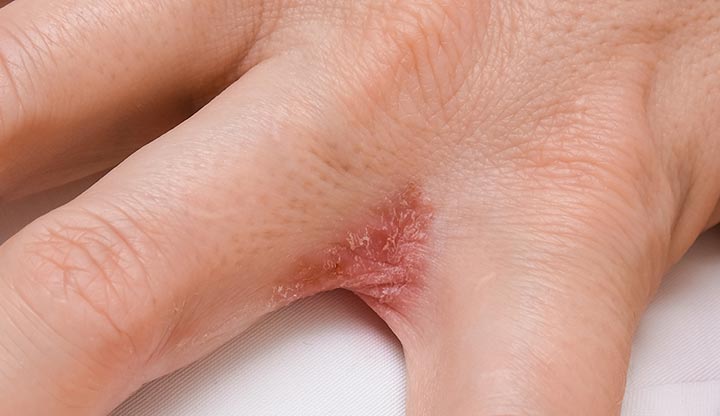
If you’ve ever noticed small, red, itchy, or painful bumps appearing suddenly on your hands, feet, or sides of your fingers, you might be dealing with a condition known as dyshidrotic eczema. Though it may look alarming, this is a fairly common type of eczema that can be managed effectively once properly identified.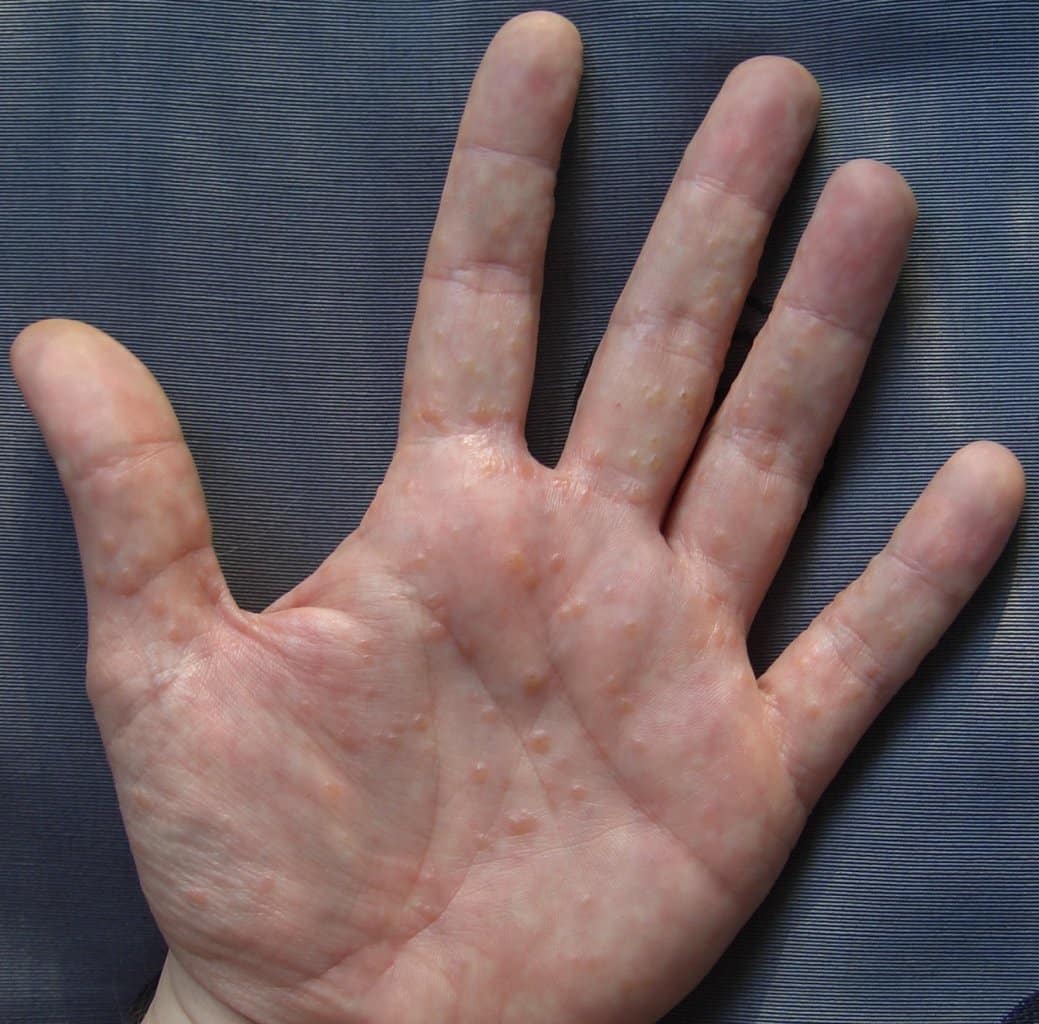
Dyshidrotic eczema (also called pompholyx or dyshidrosis) is a chronic skin disorder characterized by the sudden appearance of tiny fluid-filled blisters. These blisters usually form on the palms, sides of the fingers, and soles of the feet. Over time, the affected areas may become dry, cracked, or scaly.
The exact cause is not fully understood, but dermatologists believe it involves a combination of genetic, environmental, and immune-related factors. It’s often linked to atopic dermatitis, seasonal allergies, stress, and contact with certain irritants or metals, such as nickel or cobalt.
Dyshidrotic eczema often begins with itching or a burning sensation before the bumps appear. Within hours or days, small vesicles (blisters) filled with clear fluid develop. These may cluster together, giving the skin a “tapioca-like” appearance.
Common symptoms include:
Tiny, deep-seated blisters on fingers, palms, or soles
Intense itching, burning, or stinging
Red, inflamed skin around the bumps
Cracking or peeling after blisters dry out
Pain or discomfort when the skin becomes tight or infected
For some, symptoms resolve within two to three weeks. However, in chronic or recurrent cases, flare-ups can happen multiple times a year.
Several factors can trigger or worsen this condition:
Allergies and Sensitivity to Metals: Contact with nickel (found in jewelry or coins) or cobalt (in tools or paints) can provoke flare-ups.
Stress: Psychological stress can activate inflammatory responses, worsening eczema symptoms.
Excessive Moisture or Sweating: Frequent hand washing or excessive sweating can irritate the skin barrier.
Seasonal Changes: Many patients experience flare-ups during spring or summer, possibly related to increased humidity or allergies.
Genetic Predisposition: A family history of eczema, asthma, or hay fever increases susceptibility.
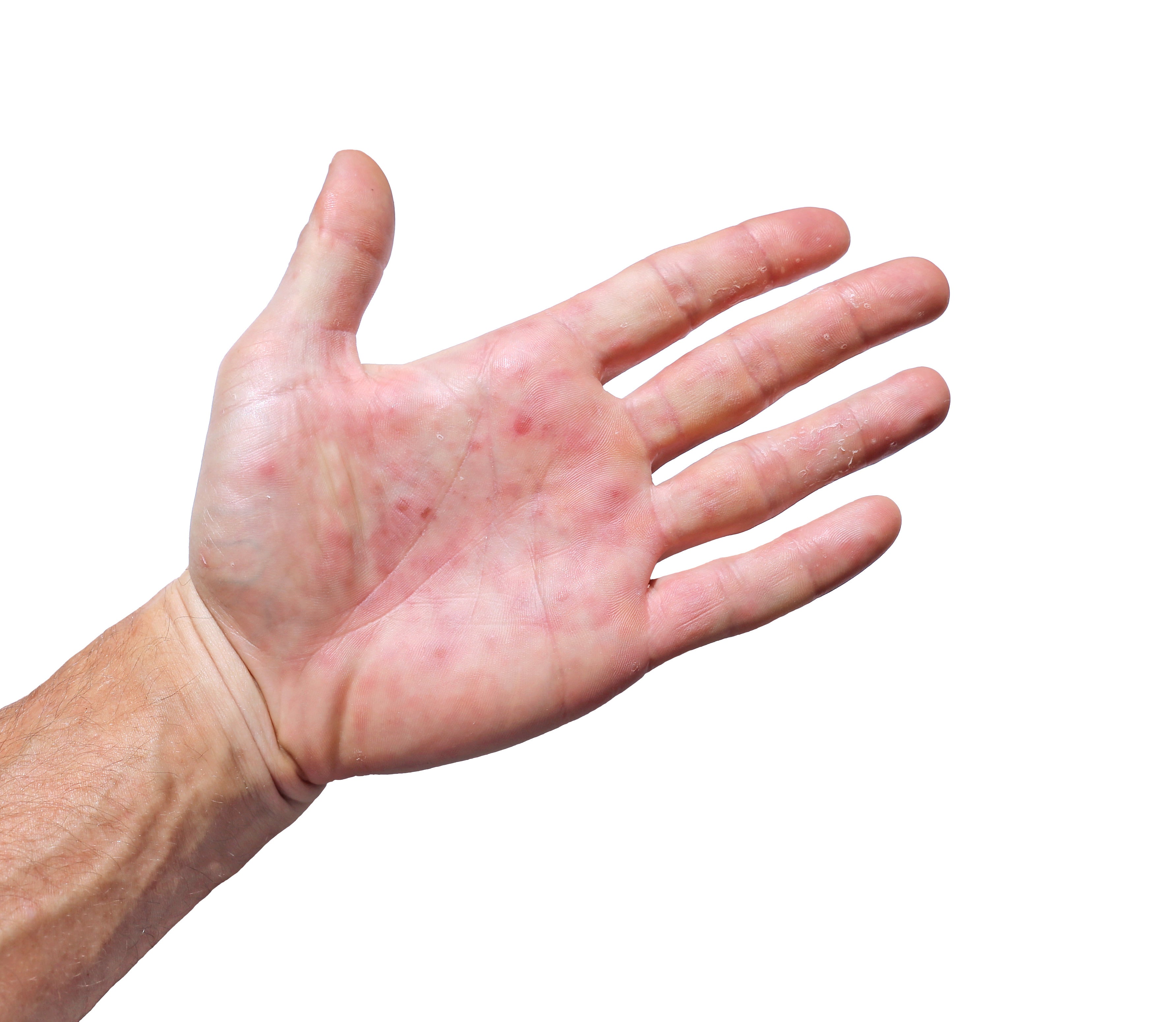
Diagnosis is usually based on clinical examination by a dermatologist. Your doctor may ask about your occupation, allergies, and exposure to irritants. In some cases, patch testing is performed to identify possible contact allergens. Rarely, a skin biopsy is needed to rule out other conditions like fungal infections or scabies.
While dyshidrotic eczema has no permanent cure, it can be effectively managed with a combination of topical and lifestyle measures.
Topical Corticosteroids:
Mild to moderate cases respond well to steroid creams or ointments, which help reduce inflammation and itching.
Moisturizers and Barrier Creams:
Keeping the skin hydrated is crucial. Use fragrance-free, hypoallergenic moisturizers multiple times a day, especially after washing hands.
Cold Compresses:
Applying a cool compress for 15–20 minutes can relieve itching and reduce swelling during flare-ups.
Avoiding Triggers:
Identify and limit exposure to irritants, including detergents, metals, and excessive water. Wearing cotton gloves during household chores can also help protect sensitive skin.
Antihistamines or Immune-Modulating Creams:
For severe or recurrent cases, your doctor may recommend oral antihistamines, topical calcineurin inhibitors (like tacrolimus or pimecrolimus), or even phototherapy.
Antibiotics (if infected):
If blisters break open and become infected, antibiotic ointments or oral antibiotics may be prescribed.
Wash hands with lukewarm water and mild soap. Avoid hot water.
Always pat skin dry gently—never rub.
Moisturize immediately after bathing or washing.
Avoid scratching, as this can worsen inflammation and invite infection.
Manage stress with relaxation techniques such as yoga, meditation, or deep breathing.
Wear breathable footwear to reduce moisture buildup on feet.
If your red, itchy bumps persist for more than two weeks, become painful, ooze pus, or spread rapidly, seek medical advice promptly. Chronic dyshidrotic eczema requires a tailored treatment plan to prevent recurrences and protect the skin barrier.
Dyshidrotic eczema may look alarming and feel uncomfortable, but with the right treatment and care, flare-ups can be minimized or even prevented. Identifying triggers, maintaining proper skin hygiene, and following a consistent skincare routine are key to managing this condition. Remember — the sooner you recognize and address the signs, the better your skin can heal and recover.








Doctors warn that hidden bacteria in old food can become deadly fast.


Daily egg consumption may affect your heart and overall health silently.


Late-night beverages may silently increase dangerous heart risks today.

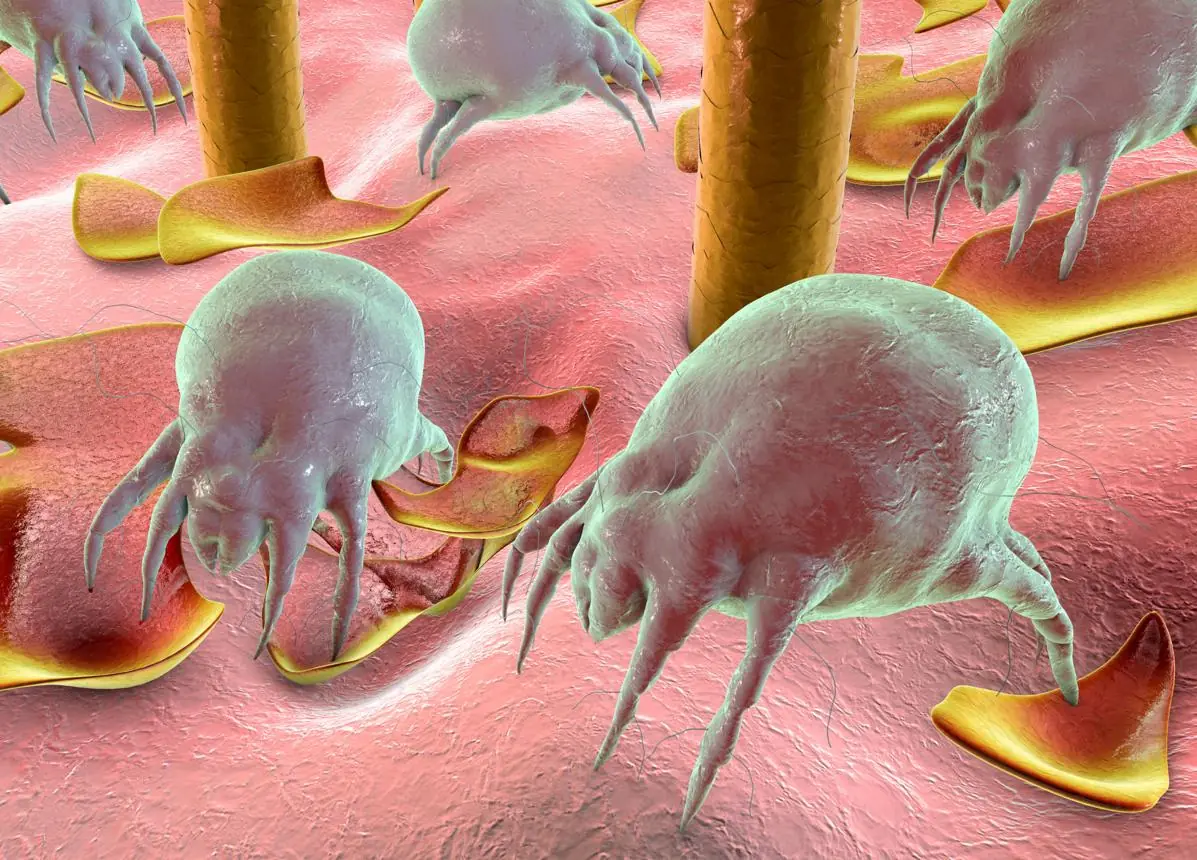
Doctors explain how eye hygiene habits may affect comfort and eye health.
Nighttime drooling may be more than just an embarrassing habit. Here’s what experts say it could mean


Doctors warn that hidden bacteria in old food can become deadly fast.
Daily egg consumption may affect your heart and overall health silently.
Late-night beverages may silently increase dangerous heart risks today.