Morning Heel Pain: What Your Body Might Be Trying to Tell You
Have you ever woken up and felt a sharp pain in your heel when taking your first steps? Or noticed discomfort even though you haven’t been standing for long? While it may seem minor at first, this kind of pain is often your body’s way of signaling that something isn’t quite right.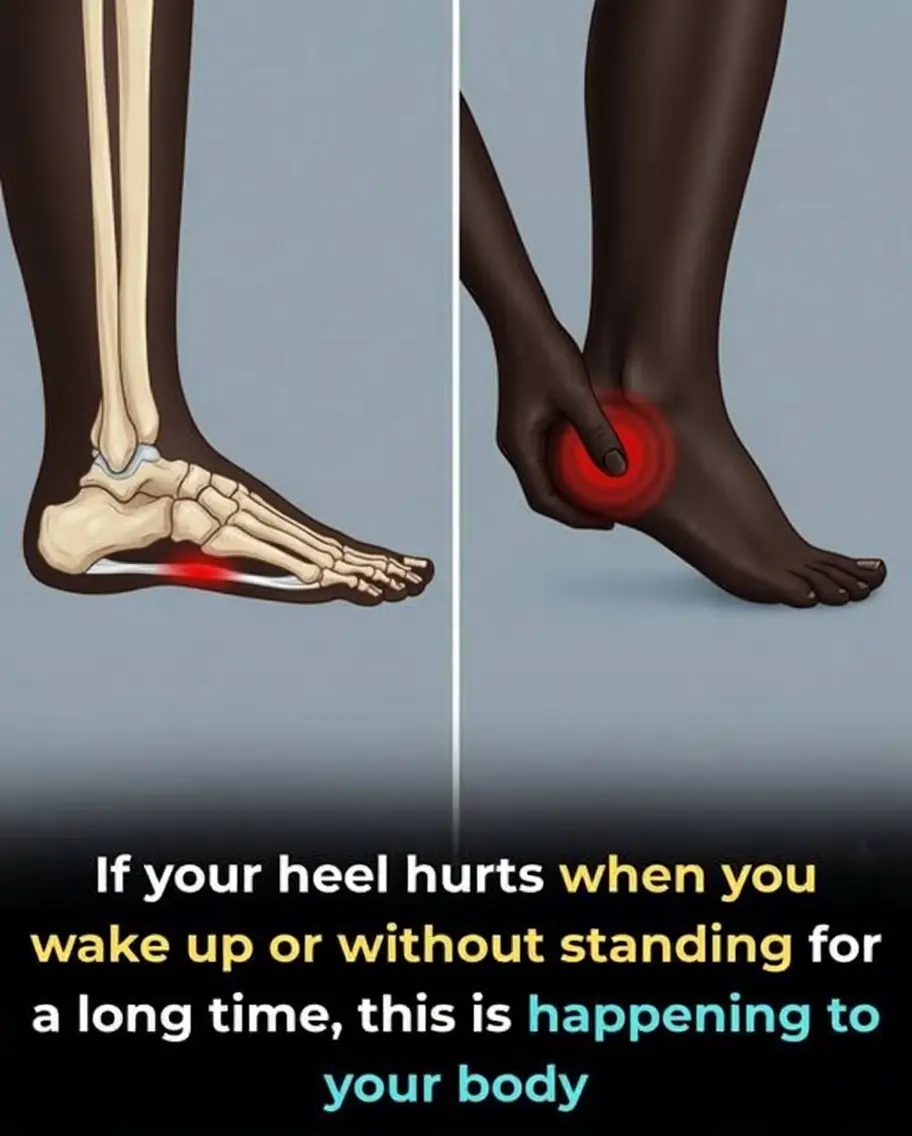
One of the most common causes of this symptom is plantar fasciitis—a condition where the band of tissue connecting your heel to your toes becomes inflamed. This tissue, called the plantar fascia, helps support the arch of your foot. When it is overused or strained, tiny tears can develop, leading to pain and stiffness, especially after periods of rest like sleep.
Morning heel pain happens because, overnight, the plantar fascia tightens. When you take your first steps, it suddenly stretches, causing that familiar sharp or stabbing sensation. The pain may decrease as you move around, but it can return after long periods of sitting or inactivity.
There are several factors that can increase your risk of developing this issue. Wearing unsupportive footwear, standing on hard surfaces for extended periods, being overweight, or suddenly increasing physical activity can all put extra stress on your feet. Even something as simple as tight calf muscles can contribute to the problem.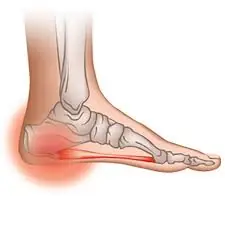
Ignoring heel pain can make it worse over time. Fortunately, there are simple steps you can take to relieve the discomfort and support recovery. Gentle stretching exercises for your feet and calves, wearing supportive shoes, and avoiding walking barefoot on hard surfaces can make a big difference. In some cases, using ice or over-the-counter pain relief may help reduce inflammation.
However, if the pain persists or becomes severe, it’s important to consult a healthcare professional. Early treatment can prevent the condition from becoming chronic and help you get back to normal movement more quickly.
Your body often communicates through small signs like this. Paying attention to them—and responding early—can protect your long-term health and keep you moving comfortably every day.