
2 Circumstances Where Eating Bananas May Not Be Recommended
Bananas and Your Health: 2 Times You May Want to Choose Another Snack
Health 19/07/2026 20:38
Sinus pressure and congestion are common symptoms that can make it difficult to breathe, sleep, concentrate, and enjoy everyday activities. Whether caused by a common cold, allergies, or a sinus infection, blocked sinuses often lead to facial discomfort, headaches, nasal congestion, and thick mucus.
While some cases require medical treatment, many people with mild or short-term symptoms can find relief through simple home care strategies. These natural approaches won't cure every sinus problem, but they may help improve comfort and support your body's recovery.
Let's explore what causes sinus congestion, which home remedies are supported by evidence, and when it's time to seek medical care.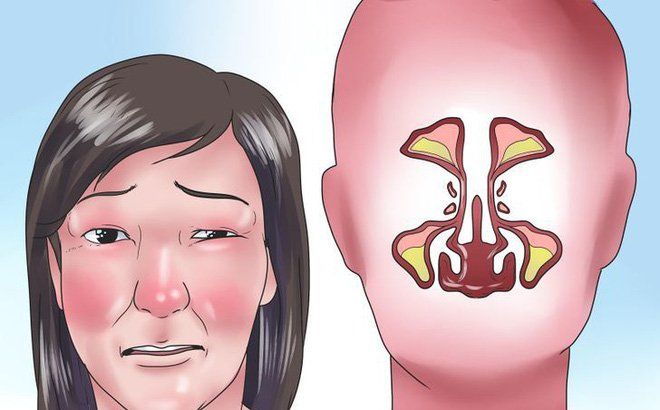
Your sinuses are air-filled spaces located inside the bones around your:
Nose
Forehead
Cheeks
Eyes
Healthy sinuses produce mucus that helps:
Trap dust and germs
Humidify inhaled air
Protect the respiratory tract
When the sinuses become inflamed or blocked, mucus cannot drain properly, leading to congestion and pressure.
Several conditions can trigger sinus congestion, including:
The common cold
Seasonal allergies
Viral sinus infections
Bacterial sinus infections
Nasal polyps
Environmental irritants such as smoke
Dry indoor air
Most acute sinus infections begin after a viral cold.
One of the most effective home remedies for sinus congestion is rinsing the nose with a sterile saline solution.
Saline irrigation may help:
Thin mucus
Wash away allergens
Remove irritants
Improve nasal drainage
Reduce congestion
You can use:
A squeeze bottle
A bulb syringe
A neti pot
Always use:
Sterile water
Distilled water
Previously boiled and cooled water
Never use untreated tap water for nasal irrigation, as it may contain microorganisms that are unsafe for nasal use.
Drinking enough fluids helps keep mucus thinner and easier to clear.
Good choices include:
Water
Herbal teas
Warm broths
Although hydration alone will not cure sinusitis, it supports normal mucus function.
Moist air may temporarily help reduce nasal dryness and congestion.
You can try:
A cool-mist humidifier
Sitting in a steamy bathroom
Inhaling warm steam carefully
Avoid getting too close to hot steam to reduce the risk of burns.
Clean humidifiers regularly to prevent mold and bacterial growth.
A warm, damp towel placed over the:
Nose
Cheeks
Forehead
may temporarily relieve facial discomfort by promoting relaxation and improving comfort.
Use a comfortably warm—not hot—compress.
Your immune system functions best when your body has enough time to recover.
Adequate sleep and rest help support:
Immune function
Tissue repair
Overall recovery
Aim for 7–9 hours of sleep each night if possible.
When resting or sleeping, raising your head with an extra pillow may help improve sinus drainage.
This simple adjustment may reduce overnight congestion for some people.
Warm beverages may provide temporary relief by:
Moistening the throat
Encouraging hydration
Helping loosen mucus
Good options include:
Warm water with lemon
Herbal tea
Clear soup
The warmth—not the specific beverage—is likely responsible for much of the soothing effect.
Tobacco smoke irritates the lining of the nose and sinuses.
Avoiding smoking and secondhand smoke may help reduce irritation and support recovery.
If allergies contribute to sinus congestion, reducing exposure to triggers may help.
Common allergens include:
Dust mites
Pollen
Mold
Pet dander
Keeping windows closed during high-pollen seasons and using air filters may reduce symptoms for some people.
A nutritious diet supports the immune system.
Include plenty of:
Fruits
Vegetables
Whole grains
Lean proteins
Healthy fats
Vitamin C, zinc, and other nutrients are important for normal immune function, but no single food has been proven to cure sinus infections.
Some people use herbal products such as:
Ginger tea
Peppermint tea
Chamomile tea
These warm beverages may provide comfort and encourage hydration.
However, evidence that herbal teas directly treat sinus infections is limited.
If you have allergies or take prescription medications, consult your healthcare provider before using herbal supplements.
Essential oils such as eucalyptus or peppermint are often promoted for sinus relief.
Their strong aroma may create a temporary sensation of easier breathing, but they do not open blocked sinuses or treat infections.
Never apply concentrated essential oils directly inside the nose, and avoid ingesting them unless specifically directed by a qualified healthcare professional.
Not every sinus infection requires antibiotics.
In fact:
Most acute sinus infections are caused by viruses.
Viral infections do not respond to antibiotics.
Your healthcare provider may consider antibiotics if symptoms:
Last longer than about 10 days without improvement.
Improve and then become significantly worse.
Are accompanied by high fever, severe facial pain, or thick nasal discharge suggestive of a bacterial infection.
False.
Mucus can become yellow or green during viral infections as part of the immune response.
Color alone cannot determine whether an infection is bacterial.
Steam may temporarily relieve congestion, but it does not eliminate viruses or bacteria.
Many mild viral sinus infections improve with supportive care, rest, and time.
Treatment depends on the underlying cause.
Seek medical evaluation if you experience:
Symptoms lasting more than 10 days without improvement.
Severe facial pain or swelling.
High fever.
Double vision or swelling around the eyes.
Recurrent sinus infections.
Thick nasal discharge accompanied by worsening symptoms after initial improvement.
Symptoms that continue despite home care.
These may indicate a condition requiring medical treatment.
Healthy habits may reduce your risk of future sinus congestion.
This helps reduce the spread of viruses that cause colds.
Healthy mucus functions best when the body is well hydrated.
Follow your treatment plan if allergies are a recurring trigger.
Smoking irritates the respiratory tract and increases the risk of chronic sinus problems.
Maintaining comfortable humidity levels may help reduce nasal dryness.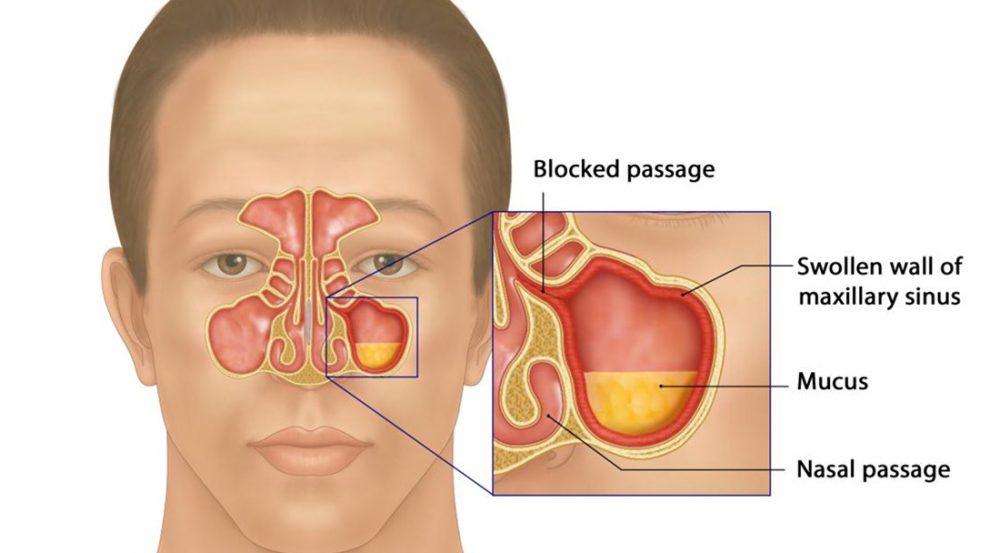
Sinus pressure and congestion can be uncomfortable, but many mild cases improve with supportive home care. Saline nasal rinses, staying hydrated, breathing humidified air, using warm compresses, getting adequate rest, and avoiding irritants such as cigarette smoke are among the most effective natural approaches for easing symptoms.
However, these strategies are designed to relieve discomfort—not cure every sinus infection. Persistent symptoms, severe facial pain, high fever, swelling around the eyes, or symptoms lasting longer than about 10 days should be evaluated by a healthcare professional to determine whether additional treatment is needed.
By combining simple self-care measures with healthy lifestyle habits and seeking medical attention when appropriate, most people can manage sinus congestion safely while supporting their body's natural healing process.
Bananas and Your Health: 2 Times You May Want to Choose Another Snack
Is Your Kettle Safe? 4 Warning Signs You Should Never Ignore.
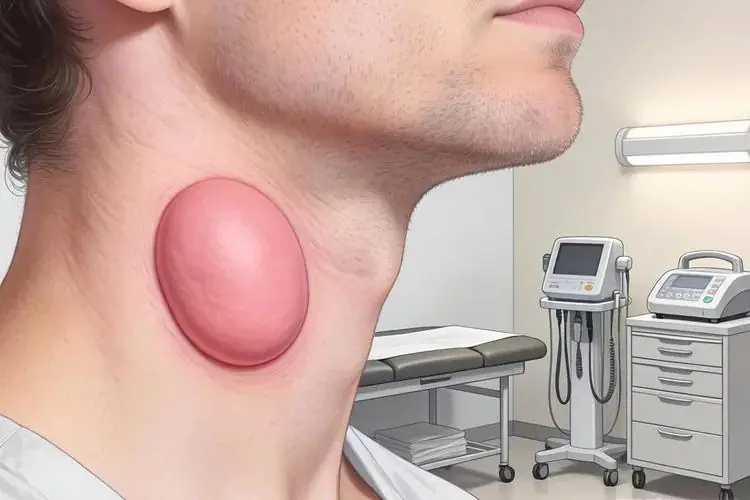
These 3 neck symptoms could be warning signs—don't ignore them.

Doctors Warn This Type Of Chicken Should Be Thrown Away Immediately

10 Early Dementia Signs Your Brain Is Warning You About

A 65-year-old woman di.ed suddenly at dawn - doctors say her bedtime habits were the real kil.ler
These are the consequences of sleeping with a... See more

The 2 Lifestyle Habits Experts Want Couples to Avoid

Could your bedtime routine be putting extra stress on your heart?
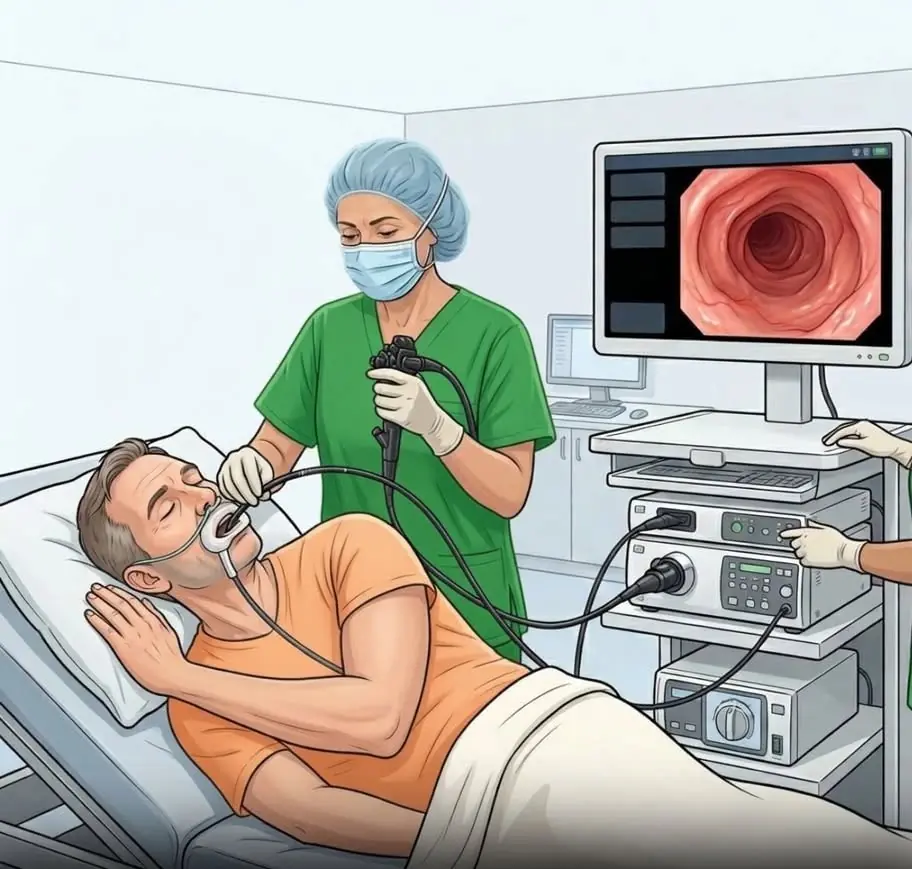
If your doctor orders you to have a colonoscopy, simply tell him the following ..
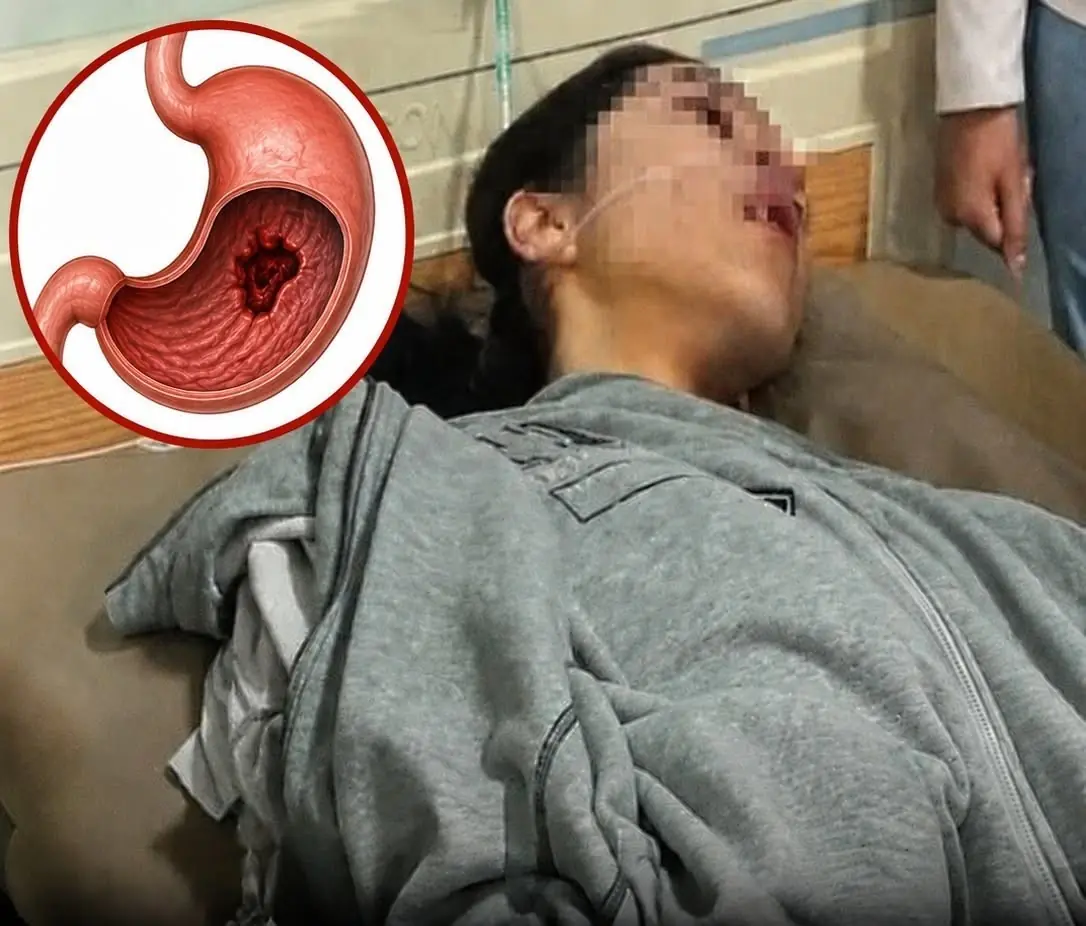
Millions of people follow these bedtime habits every night without realizing the impact they may have on sto.mach health.

Many women believe hormones determine breast size, but doctors say the answer is more complex than most people think.
Doctors rarely explain it, but constant phlegm often comes down to 4 overlooked causes
If you find a centipede at home, here is what it means... See more

4 Everyday Habits That Could Be Changing Your Intimate Odor
Your Body May Be Sending a Warning Through These 9 Unexpected Itching Symptoms
The Vegetable People Love Raw… But It May Carry Hidden Parasites
Baggage Handler Issues a Warning to Anyone Who Ties a Ribbon on Their Suitcase at the Airport

What happens when you drink water first thing in the morning? The answer may surprise you.
Bananas and Your Health: 2 Times You May Want to Choose Another Snack

Is Your Kettle Safe? 4 Warning Signs You Should Never Ignore.
These 3 neck symptoms could be warning signs—don't ignore them.
Doctors Warn This Type Of Chicken Should Be Thrown Away Immediately
10 Early Dementia Signs Your Brain Is Warning You About
A 65-year-old woman di.ed suddenly at dawn - doctors say her bedtime habits were the real kil.ler
These are the consequences of sleeping with a... See more

Changes in Breathing Sounds Are a Common Part of End-of-Life Care for Some People
The 2 Lifestyle Habits Experts Want Couples to Avoid
Could your bedtime routine be putting extra stress on your heart?
If your doctor orders you to have a colonoscopy, simply tell him the following ..
Millions of people follow these bedtime habits every night without realizing the impact they may have on sto.mach health.
Many women believe hormones determine breast size, but doctors say the answer is more complex than most people think.
Doctors rarely explain it, but constant phlegm often comes down to 4 overlooked causes
If you find a centipede at home, here is what it means... See more
4 Everyday Habits That Could Be Changing Your Intimate Odor
Your Body May Be Sending a Warning Through These 9 Unexpected Itching Symptoms
The Vegetable People Love Raw… But It May Carry Hidden Parasites