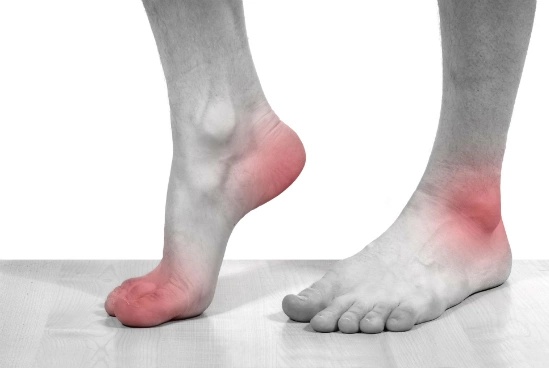
the body breaks down purines - natural compounds found in many foods and in human cells. Under normal conditions, uric acid dissolves in
the blood and is filtered out by the kidneys. However, when the body produces too much uric acid or the kidneys fail to eliminate it efficiently,
uric acid levels rise.
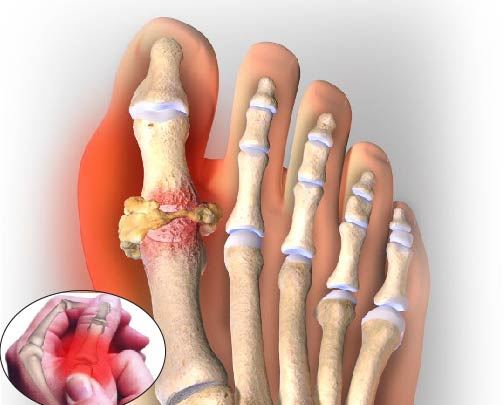
Excess uric acid can form sharp crystals that accumulate in joints and surrounding tissues, triggering intense pain, swelling, redness, and
stiffness. Gout attacks often appear suddenly and can significantly affect quality of life. Understanding what causes gout and how to prevent it
- is essential for long-term joint health.
Main Causes of Gout
1. Elevated Uric Acid Levels in the Blood
High uric acid levels are the direct cause of gout. When purines are broken down, uric acid is produced as a waste product. If the kidneys
cannot remove it effectively, uric acid accumulates in the bloodstream. Over time, this excess uric acid crystallizes and settles in the joints,
leading to painful inflammation.
2. Unhealthy Dietary Habits
Diet plays a major role in gout development. Foods high in purines—such as red meat, certain seafood, alcohol, and highly processed foods—
significantly increase uric acid levels. Frequent consumption of these foods raises the likelihood of gout attacks, especially in individuals
already at risk.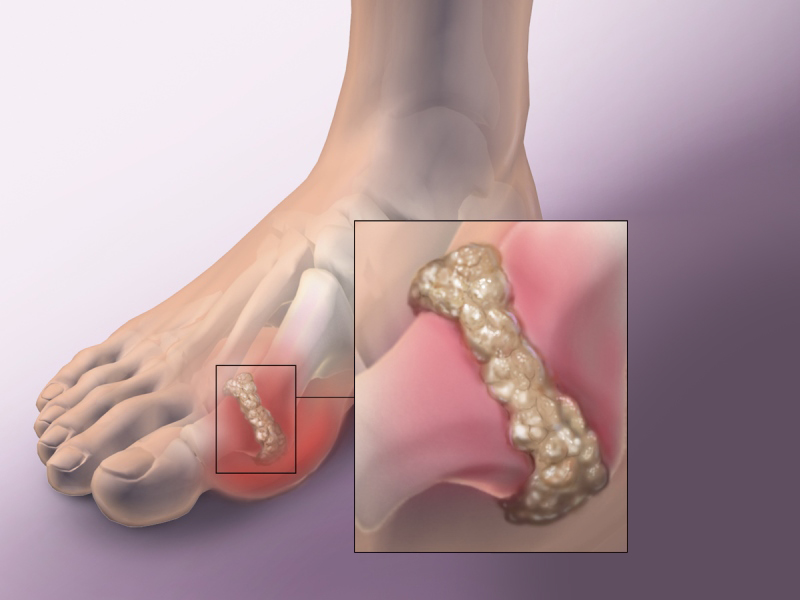
3. Obesity and Excess Body Weight
Obesity is a well-established risk factor for gout. Excess body fat increases uric acid production and places additional strain on the kidneys,
making it harder to eliminate uric acid efficiently. As a result, uric acid accumulates more easily, increasing the likelihood of gout flare-ups.
4. Genetic Predisposition
Gout can run in families. If a close relative has gout, your risk may be higher. Genetic factors can affect how efficiently the kidneys process uric
acid, making some individuals naturally more susceptible to elevated levels and gout attacks.
5. Certain Medications
Some medications can interfere with uric acid excretion. Diuretics, certain blood pressure medications, and long-term use of low-dose aspirin
may increase uric acid levels in the body. Individuals taking these medications should monitor their uric acid levels and consult a doctor if
symptoms appear.
6. Underlying Health Conditions
Chronic conditions such as high blood pressure, diabetes, kidney disease, and cardiovascular disorders can impair kidney function and
increase the risk of gout. When the kidneys are compromised, uric acid removal becomes less effective, allowing levels to rise.
Foods People with Gout Should Avoid
Dietary choices are one of the most effective tools for managing gout. Certain foods significantly raise uric acid levels and should be limited or
avoided.
1. Red Meat
Beef, pork, and lamb are high in purines. Regular consumption can elevate uric acid levels and trigger gout attacks. Limiting red meat intake is
strongly recommended for people with gout.
2. Seafood
Seafood such as shrimp, crab, shellfish, salmon, and mackerel contains high purine levels. While nutritious, excessive intake can worsen gout
symptoms and should be avoided during flare-ups.
3. Alcoholic Beverages (Especially Beer)
Alcohol increases uric acid production and reduces the kidneys’ ability to eliminate it. Beer is particularly harmful due to its high purine
content. Avoiding alcohol is one of the most effective ways to prevent gout attacks.
4. Foods High in Fructose
Fructose-rich foods - including sugary drinks, sweetened juices, and processed desserts—stimulate uric acid production. Excessive fructose
intake has been strongly linked to increased gout risk.
5. Processed and Fast Foods
Processed meats, sausages, and fast food contain unhealthy fats and purines. These foods contribute to inflammation and elevated uric acid
levels and should be replaced with fresh, whole foods.
6. Organ Meats
Liver, kidneys, heart, and other organ meats contain extremely high levels of purines. People with gout should completely avoid these foods to
prevent severe flare-ups.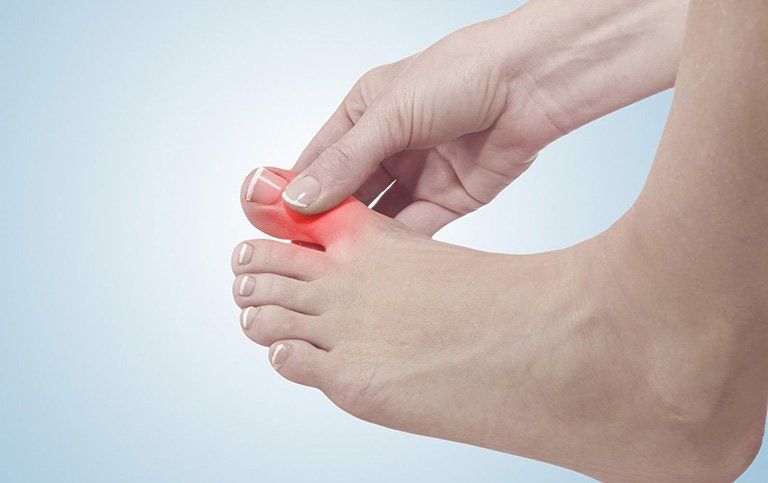
7. Foods High in Saturated Fats
Fatty meats, butter, and full-fat dairy products can impair uric acid excretion. Excess saturated fat intake may worsen gout symptoms and
should be minimized.
8. Other High-Purine Foods
Certain vegetables and legumes—such as mushrooms, peas, green beans, and black beans—contain purines. While they are healthier than
animal-based purines, excessive consumption may still affect sensitive individuals.
Effective Ways to Prevent Gout
1. Follow a Gout-Friendly Diet
-
Reduce intake of high-purine foods
-
Increase consumption of fruits, vegetables, whole grains, and fiber
-
Drink at least 2–3 liters of water daily to support kidney function
-
Limit or eliminate alcohol consumption
2. Maintain a Healthy Weight
Gradual weight loss reduces uric acid levels and eases kidney workload. Avoid crash dieting, which can temporarily raise uric acid levels and
worsen gout.
3. Exercise Regularly
Physical activity improves circulation, metabolism, and joint health. Low-impact exercises such as walking, swimming, cycling, and yoga are
particularly beneficial.
4. Manage Chronic Health Conditions
Proper management of diabetes, high blood pressure, and kidney disease helps protect kidney function and reduces gout risk.
5. Use Medication Under Medical Supervision
Doctors may prescribe medications such as allopurinol, colchicine, or uricosuric agents to control uric acid levels. These should only be taken
as directed by a healthcare professional.
Conclusion
Gout is a painful but manageable condition. Diet, lifestyle, and early intervention play a crucial role in preventing flare-ups and protecting
long-term joint health. Avoiding purine-rich foods, staying hydrated, maintaining a healthy weight, exercising regularly, and managing
underlying conditions can significantly reduce symptoms.
With informed choices and proper medical guidance, gout does not have to control your life. Proactive lifestyle changes can help you stay
active, comfortable, and healthy for years to come.