You may have seen headlines warning that a certain sleeping position can increase the risk of stroke - especially for older adults. It’s an attention-grabbing claim, but it needs context. Sleep posture alone does not cause a stroke. However, in some situations, the way you sleep can interact with existing health conditions and make certain risks more likely.
This guide separates myth from mechanism and shows what actually matters for stroke prevention.
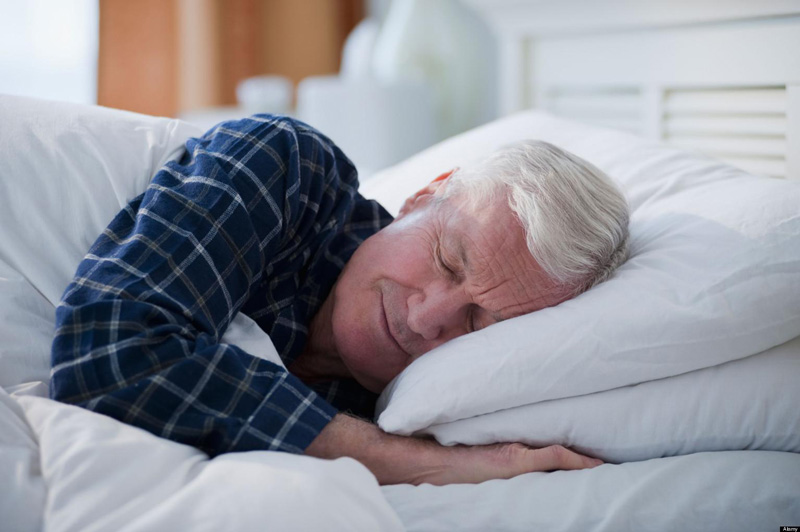
🧠 First, What Really Causes Stroke?
A stroke happens when blood flow to part of the brain is interrupted (ischemic stroke) or when a blood vessel ruptures (hemorrhagic stroke). Major risk factors include:
- High blood pressure
- Diabetes
- High cholesterol
- Smoking
- Atrial fibrillation
- Sedentary lifestyle
👉 These factors carry far more weight than sleep position.
😴 Where Sleep Position Comes Into the Picture
Sleep posture can influence:
- Breathing quality
- Airway openness
- Blood pressure fluctuations during the night
- Neck and blood vessel alignment
In older adults—especially those with underlying conditions—these effects can become more significant.
⚠️ The Position Often Mentioned: Sleeping Flat on the Back
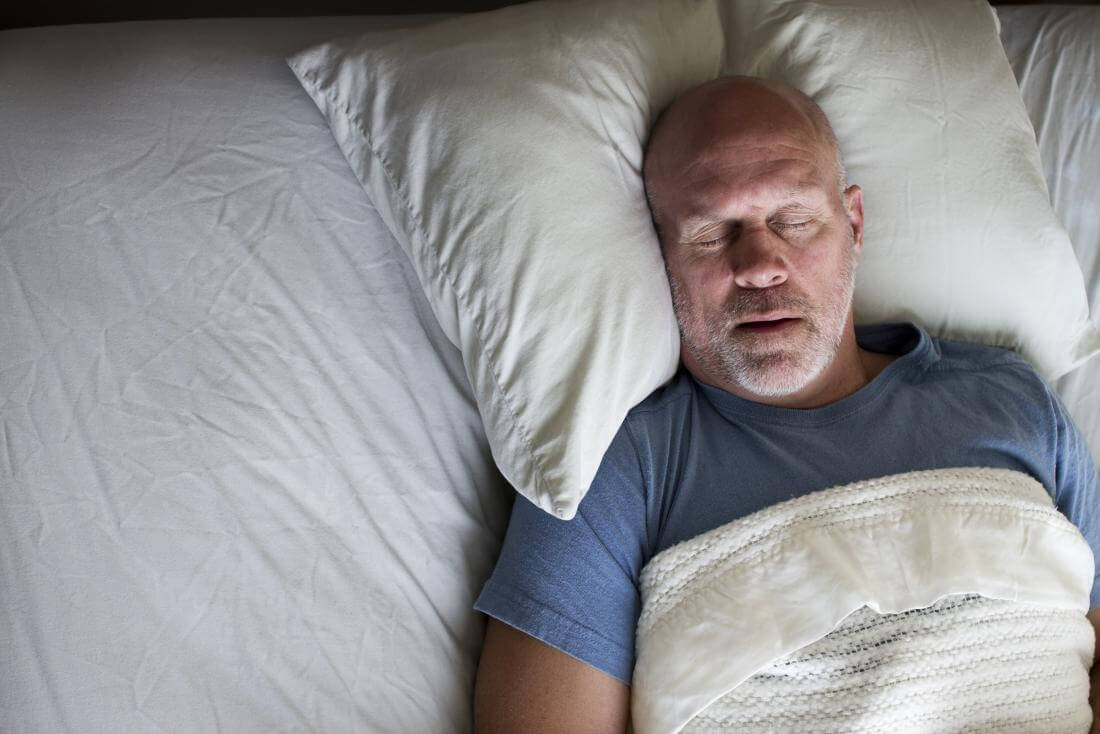
Sleeping on your back isn’t inherently dangerous. In fact, it’s often recommended for spinal alignment.
However, in some seniors, it can worsen breathing issues during sleep, particularly in those with Sleep Apnea.
Why that matters:
- The airway may partially collapse
- Oxygen levels can drop intermittently
- Blood pressure may spike during these episodes
Over time, untreated sleep apnea is linked to higher cardiovascular and stroke risk.
👉 So the concern isn’t the position itself - it’s how that position affects breathing.
Another Factor: Neck Position and Blood Flow
Certain awkward or extreme neck angles during sleep may:
- Put pressure on blood vessels
- Affect circulation to the brain
This is more relevant when:
- Pillows are too high or too low
- The neck is sharply bent for long periods
👉 Again, this is about alignment, not a specific “dangerous” pose.
😮💨 Poor Sleep Quality = Higher Risk
Regardless of position, poor sleep itself is a known contributor to stroke risk.
This includes:
- Frequent waking
- Snoring or gasping
- Insufficient sleep duration
Sleep disturbances can lead to:
- Increased blood pressure
- Higher stress hormone levels
- Reduced vascular recovery overnight
🧓 Why Seniors Should Pay More Attention
As we age:
- Blood vessels become less flexible
- Chronic conditions become more common
- Sleep patterns often change
👉 This makes the body more sensitive to small stressors, including poor sleep posture or breathing disruptions.
✅ What Sleeping Position Is Generally Better?
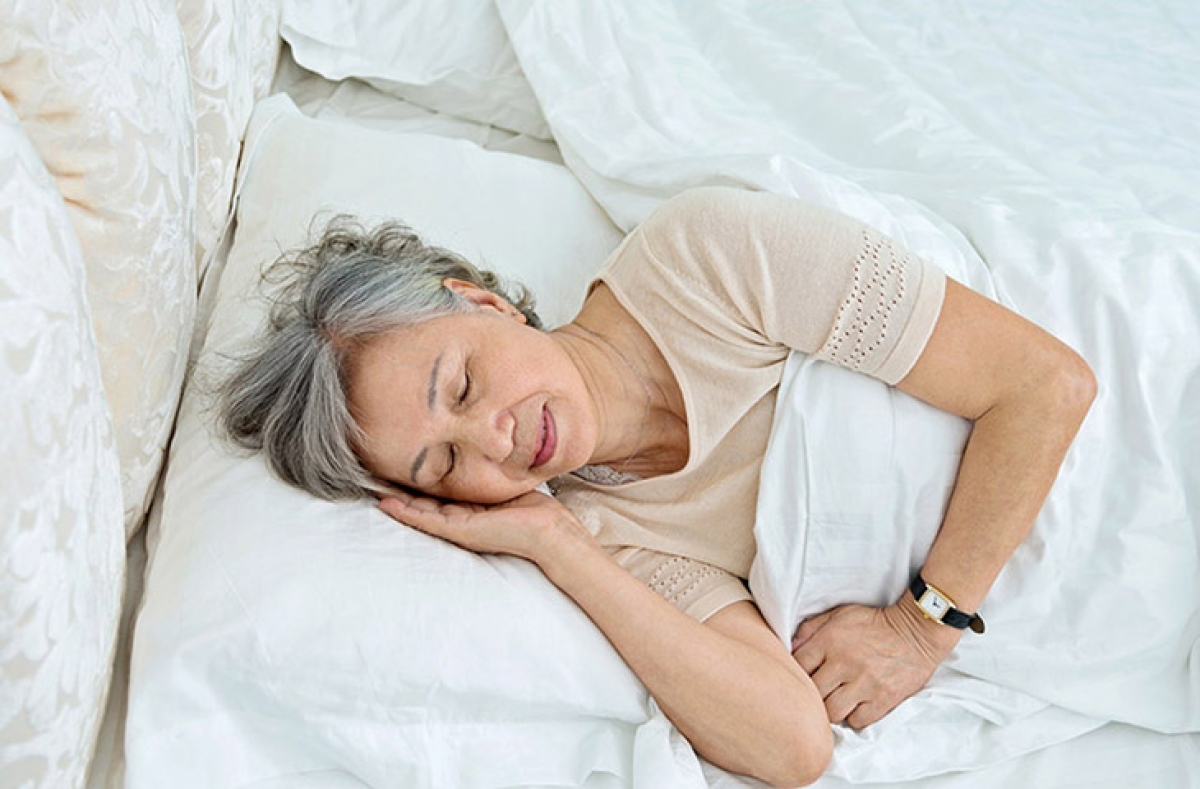
For many older adults, side sleeping is often recommended because it can:
- Keep the airway more open
- Reduce snoring and apnea episodes
- Support better breathing
Especially the left side, which may also support circulation and digestion.
🛏️ Practical Tips for Safer Sleep
Instead of worrying about one “dangerous” position, focus on overall sleep quality:
- Use a supportive pillow to keep the neck aligned
- Avoid sleeping completely flat if you have breathing issues
- Elevate the head slightly if recommended
- Maintain a consistent sleep schedule
- Seek evaluation if you snore heavily or feel tired during the day
🚨 When to Take It Seriously
Consider medical advice if you notice:
- Loud, chronic snoring
- Pauses in breathing during sleep
- Morning headaches
- Daytime fatigue
- Sudden dizziness or numbness
These could indicate underlying conditions that matter far more than posture alone.
🔥 Final Thought
The idea that one sleeping position directly causes stroke is oversimplified.
What truly matters is how your sleep affects your breathing, circulation, and overall cardiovascular health.
For seniors, the smartest approach isn’t fear—it’s awareness and adjustment. Small improvements in sleep quality can contribute to better long-term health.