1. What Is Spleen Cancer?
The spleen is an organ located in the upper left side of the human abdomen. It is the largest component of the lymphatic system and primarily functions as a blood filter, helping prevent infections by producing white blood cells (lymphocytes). The spleen also plays a role in blood clotting by storing red blood cells and platelets. Spleen cancer occurs when malignant cells grow and form tumors in the spleen.
Spleen cancer can be classified into two types: primary and secondary. In primary spleen cancer, cancer cells originate in the spleen itself. In secondary spleen cancer, the cancer originates in another organ and metastasizes to the spleen. Most cases are either lymphoma or acute leukemia.
Although rare, spleen cancer can be life-threatening if not detected and treated early.
2. Causes
Spleen cancer is most commonly secondary, often caused by lymphoma or leukemia. Other cancers such as breast cancer, melanoma, and lung cancer can also metastasize to the spleen.
High-risk groups include:
-
Males (higher risk than females)
-
Elderly individuals
-
People with weakened immune systems (e.g., HIV-positive, transplant recipients, or those on immunosuppressants)
-
Individuals infected with EBV or H. pylori
-
Smokers and those exposed to toxic chemicals in industrial zones
-
People with a family history of spleen cancer
3. Symptoms of Spleen Cancer
Recognizing symptoms early is crucial for diagnosis and timely treatment. Common signs include:
-
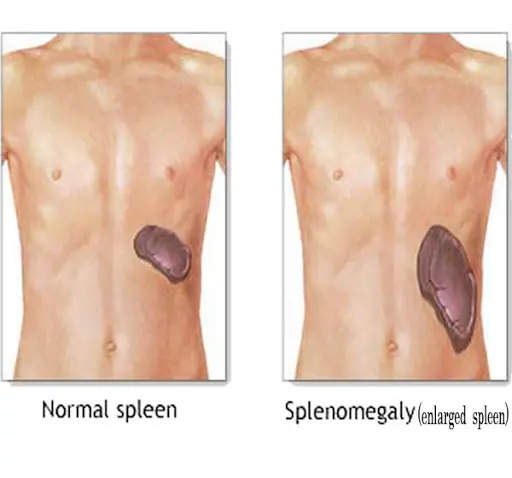
Abnormally enlarged spleen (can be felt under the left ribcage)
-
Sudden pain in the upper left abdomen, which may radiate
-
Bloating or fullness after eating small amounts
-
Easy bleeding, including gum bleeding, heavy menstrual bleeding, or bruising
-
Anemia symptoms: pale skin, fatigue, dizziness
-
Unexplained weight loss and fatigue
-
Chest pain, cough, shortness of breath, fever, night sweats or chills
-
Enlarged lymph nodes and abdominal swelling
4. Diagnosis
If you notice symptoms, see a specialist immediately. Diagnosis may include:
-
Blood tests: Complete blood count to assess red and white blood cells and platelets
-
Bone marrow tests: Aspiration or biopsy to detect leukemia cells
-
Lymph node biopsy: To identify lymphoma presence
-
Imaging: X-ray, CT scan, or PET scan to locate tumors and determine their size and extent
-
Spleen biopsy or removal: In difficult cases, a spleen sample may be taken for pathology
5. Prognosis
Since spleen cancer is rare, many wonder how dangerous it is. Prognosis depends on the stage and type of cancer.
Secondary spleen cancer is more complex to treat, as it requires addressing both the spleen and the original cancer site. Recovery prospects are generally poorer in these cases.
Early diagnosis significantly improves treatment outcomes.
6. Treatment

If diagnosed, doctors will develop a personalized treatment plan. The most common method is splenectomy (surgical removal of the spleen), considered the most effective way to eliminate cancer cells.
Surgical Methods:
-
Laparoscopic surgery: Involves four small incisions and a tiny video camera. Recovery is usually faster.
-
Open surgery: A large incision is made to remove the spleen. Recovery takes longer.
Depending on the cancer type and stage, additional treatments may include:
-
Radiation therapy: Often used for lymphomas
-
Chemotherapy: Destroys cancer cells, especially in metastatic cases
-
Stem cell transplant: Helps regenerate healthy blood cells after chemo or radiation
-
Immunotherapy (biologic therapy): Boosts the body's immune system to fight cancer
-
Targeted therapy: Uses drugs that target specific genetic mutations in cancer cells
-
Active surveillance: Monitors the disease without immediate treatment unless symptoms worsen
Supportive treatments like antibiotics are used to prevent infections during immune suppression, and medications help manage side effects.
7. FAQs
7.1. Can a person live without a spleen?
Yes. After a splenectomy, other organs like the liver and kidneys take over some of the spleen's functions. However, patients become more vulnerable to infections.
7.2. Post-operative care
-
Gradually increase physical activity
-
Avoid strenuous activities and stairs initially
-
Do not drive or work until cleared by a doctor
-
Clean surgical site daily, keep dry, and monitor for infection
-
Take only prescribed medications
-
If drainage occurs, measure and record it for medical follow-up
8. Diet for Spleen Cancer Patients

Regardless of the treatment type, proper nutrition is key to recovery. After surgery or chemotherapy, patients may feel weak and need IV nutrition initially.
Later, a high-fiber diet with fruits, vegetables, and whole grains can help ease constipation.
Helpful dietary tips:
-
Limit red meats, fatty dairy, and saturated fats
-
Eat antioxidant-rich greens like broccoli and spinach
-
Include omega-3-rich fish like salmon for anti-inflammatory benefits
9. Prevention
There is no specific way to prevent spleen cancer, but you can reduce your risk by:
-
Practicing safe sex to avoid infections (HIV, EBV)
-
Fully treating infections
-
Avoiding exposure to chemicals like benzene, dyes, pesticides
-
Maintaining a healthy weight and balanced diet
-
Avoiding smoking, alcohol, and stimulants