
The hidden consequences of sleeping with the lights on: A common habit that may harm your health
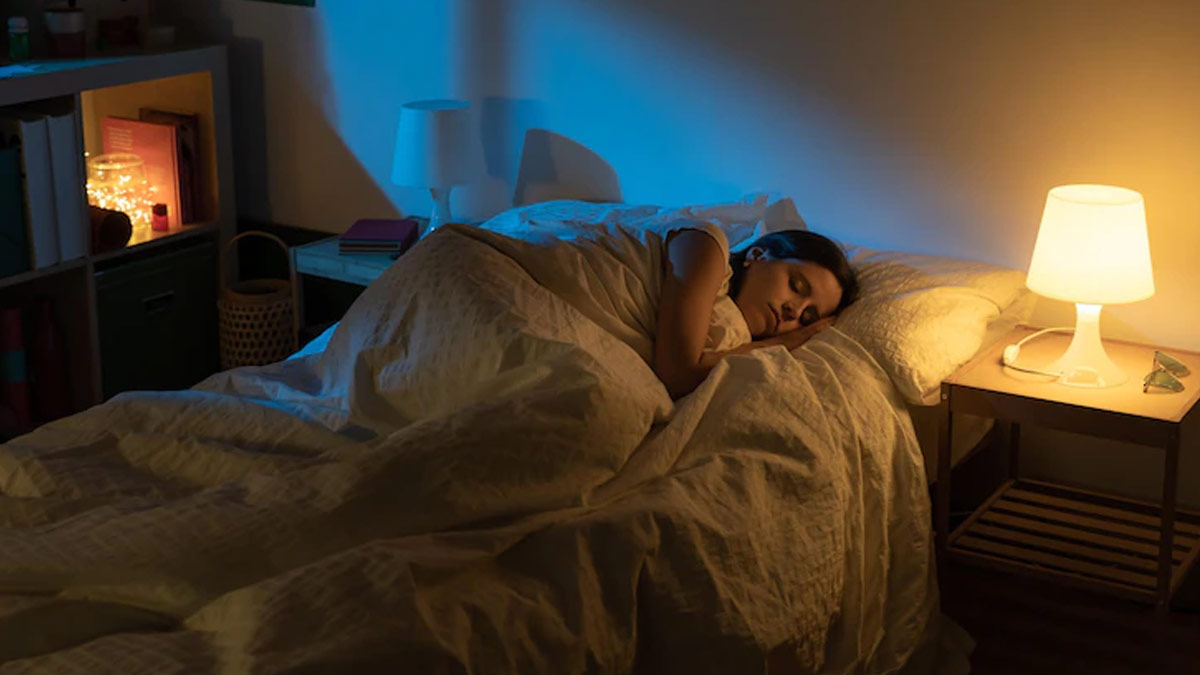
Many people have the habit of falling asleep with the lights on—whether it’s a bedside lamp, TV glow, or phone screen. It may feel harmless, even comforting.
However, experts warn that this seemingly small habit can have surprising effects on your sleep quality and overall health.
1. Disrupts your body’s natural sleep cycle
The human body follows a natural internal clock known as the circadian rhythm, which is strongly influenced by light and darkness.
When you sleep with lights on, your brain may interpret it as daytime, making it harder to enter deep sleep.
As a result, your sleep becomes:
- Lighter
- More fragmented
- Less restorative
2. Reduces melatonin production
Melatonin is the hormone that helps you fall asleep and stay asleep. It is naturally produced in the dark.
Exposure to light at night can suppress melatonin levels, leading to:
- Difficulty falling asleep
- Frequent nighttime awakenings
- Poor sleep quality
3. Increases the risk of fatigue and poor concentration
Because your body cannot reach deep sleep stages, you may wake up feeling:
- Tired
- Groggy
- Less focused
Over time, sleep deprivation can affect memory, mood, and daily performance.
4. May affect mental health
Studies suggest that poor sleep caused by nighttime light exposure may be linked to:
- Mood swings
- Irritability
- Increased risk of depression
This is partly due to disrupted hormone balance and reduced sleep quality.
5. Linked to long-term health risks
Regularly sleeping with lights on may increase the risk of several chronic conditions, including:
- Obesity
- High blood pressure
- Heart disease
- Type 2 diabetes
This happens because poor sleep affects metabolism, hormone regulation, and cardiovascular health.
6. Can impact heart and metabolism
Even dim light during sleep has been shown to:
- Increase heart rate
- Affect blood pressure
- Disrupt how the body regulates energy
Over time, this may contribute to metabolic and cardiovascular problems.
Are there any benefits?
In some cases, sleeping with a small light may help:
- Children who are afraid of the dark
- Older adults who need visibility at night
However, experts recommend using very dim, warm light and minimizing exposure as much as possible.
Key takeaway
Sleeping with the lights on may seem harmless, but it can quietly affect your body in multiple ways—from disrupting sleep to increasing long-term health risks.
For better sleep and overall well-being, experts recommend sleeping in a dark, quiet environment whenever possible.