
Steamed Sweet Potatoes Every Day: The Liver Results Surprised Experts
Can Eating Sweet Potatoes Daily Affect Your Liver? Here’s What Was Found
Health 25/05/2026 14:12
Rice is a staple food enjoyed worldwide, but few people realize that it can become unsafe if handled improperly. The concern is not the reheating process itself, but what happens before that—specifically how the rice is stored after cooking.
Uncooked rice can contain spores of a bacterium called Bacillus cereus. These spores can survive even after cooking and remain in the rice. When cooked rice is left at room temperature for too long, these spores can multiply and produce toxins that are harmful to the body.
What makes this particularly dangerous is that these toxins are heat-resistant. This means reheating the rice—even at high temperatures—may not destroy them. As a result, the rice may look, smell, and taste normal, yet still pose a health risk.


Consuming contaminated rice can lead to what is commonly known as “reheated rice syndrome,” a type of food poisoning. This condition is caused by toxins produced by Bacillus cereus.
Symptoms can appear quickly, sometimes within a few hours after eating. Common signs include nausea, vomiting, abdominal pain, and diarrhea. While many cases are mild and resolve within a day or two, the experience can still be very uncomfortable and, in some cases, more serious—especially for children, older adults, or those with weakened immune systems.
The key issue is not reheating itself, but improper storage. Leaving rice out for more than a couple of hours creates the perfect environment for bacteria to grow and release toxins.


Fortunately, you don’t have to stop eating leftover rice entirely. By following proper food safety practices, you can significantly reduce the risk.
First, cool the rice as quickly as possible after cooking. Ideally, it should be refrigerated within one hour. Keeping rice at room temperature for extended periods allows bacteria to multiply rapidly.
Second, store rice in a sealed container in the refrigerator and consume it within 24 hours for best safety. When reheating, make sure the rice is steaming hot all the way through. It is also recommended to reheat rice only once.
Finally, never eat rice that has been left out overnight or stored improperly, even if it looks fine. Unlike spoiled food that smells bad, contaminated rice may not show obvious signs of danger.
The idea that reheated rice is always dangerous is misleading. The real risk comes from how the rice is handled before reheating. Proper storage, quick cooling, and safe reheating practices can make leftover rice perfectly safe to eat.
Understanding this simple but important detail can help you avoid unnecessary health risks while still enjoying one of the world’s most common foods.
Can Eating Sweet Potatoes Daily Affect Your Liver? Here’s What Was Found
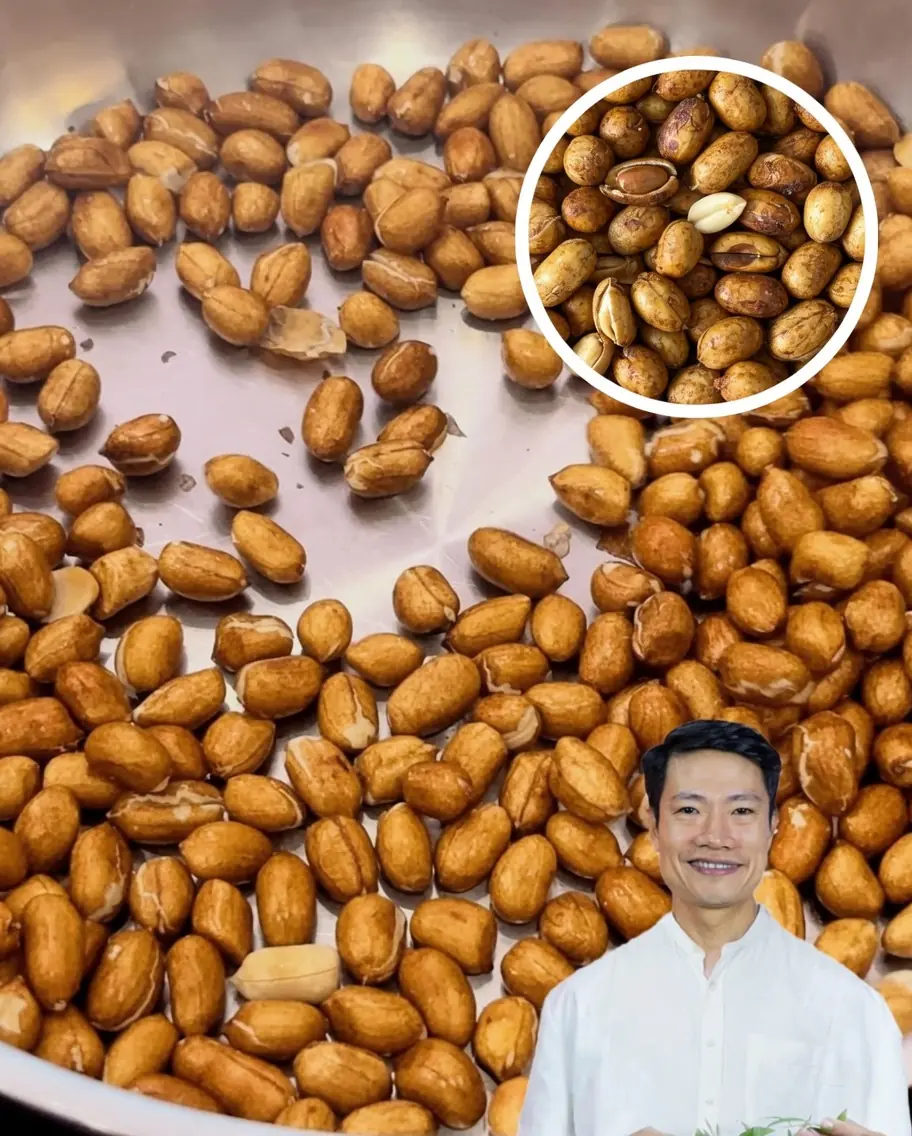
Peanuts and Your Health: What Happens If You Eat Them Daily




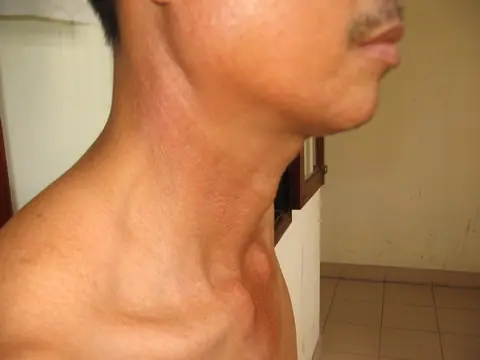
Jugular Vein Distension: Important Health Signals to Watch For

8 Things That May Be Causing Your Dry Mouth Every Morning

These Stroke Warning Signs Could Save Your Life One Day
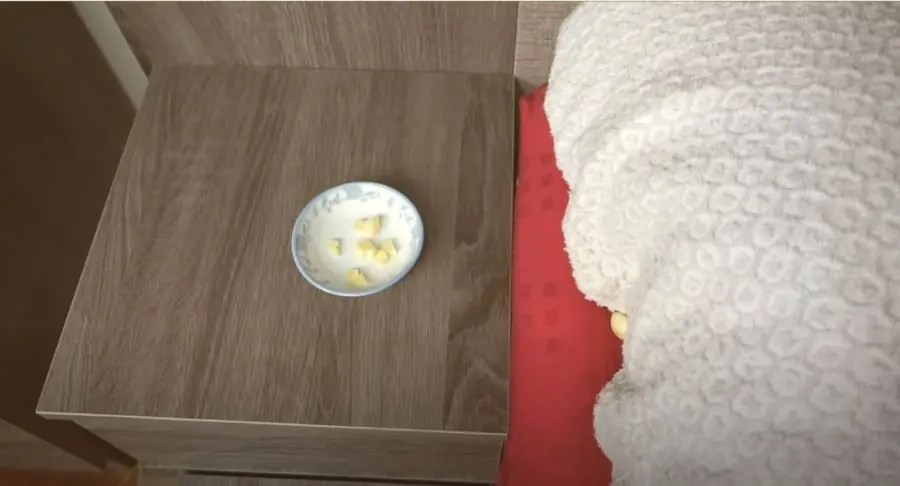
Why Do Some People Put Garlic Near the Bed Before Sleeping at Night?
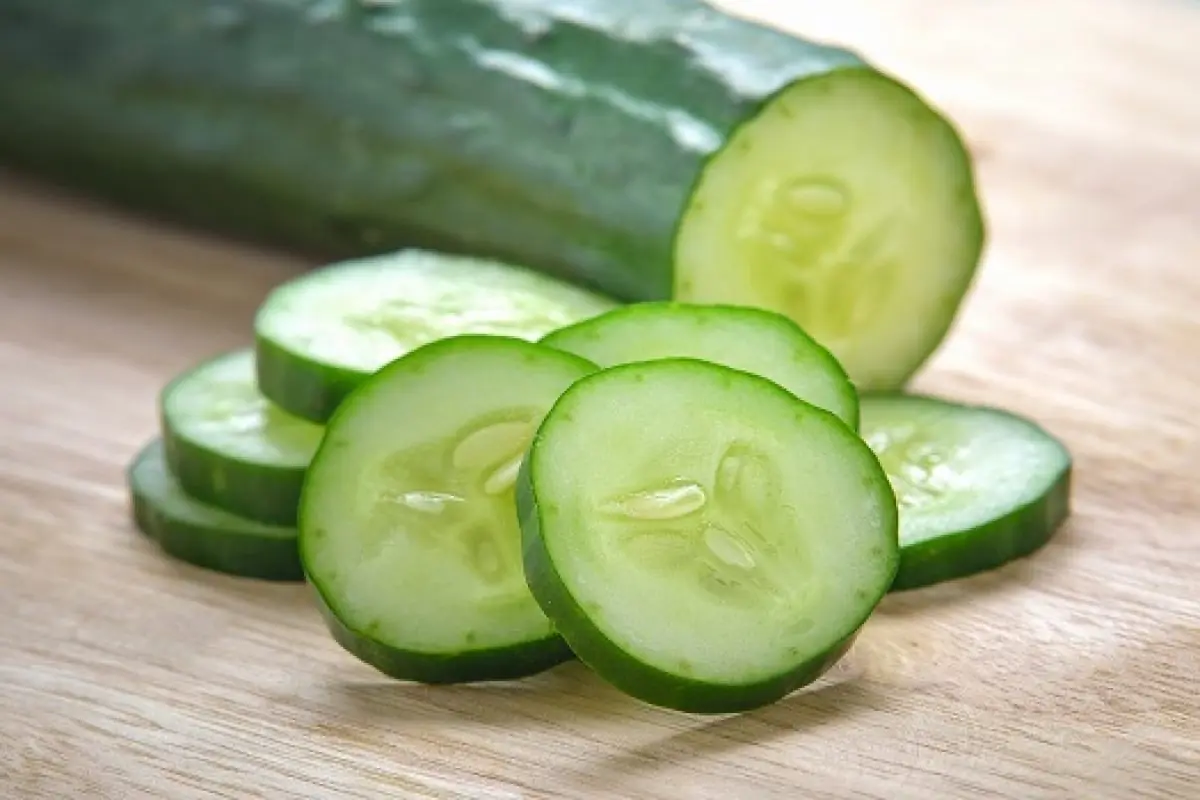
Daily Cucumbers: Surprising Effects on Your Health Explained

Hip Pain Could Be a Warning Sign From Your Body — Don’t Ignore It
Peanuts and Your Health: What Happens If You Eat Them Daily
Jugular Vein Distension: Important Health Signals to Watch For
8 Things That May Be Causing Your Dry Mouth Every Morning
These Stroke Warning Signs Could Save Your Life One Day
Why Do Some People Put Garlic Near the Bed Before Sleeping at Night?
Daily Cucumbers: Surprising Effects on Your Health Explained
Hip Pain Could Be a Warning Sign From Your Body — Don’t Ignore It