
15 Symptoms You Should Never Ignore—They May Be Linked to Stomach Cancer
😱 Stomach Cancer May Develop Silently—Watch Out for These 15 Symptoms
Health 22/06/2026 11:54
Coconut water has become one of the world's most popular natural beverages. Refreshing, lightly sweet, and packed with nutrients, it's often marketed as a healthy alternative to sugary drinks.
But how much do you really know about what's inside that coconut?
Here are 12 surprising facts about coconut water that may make you appreciate this tropical drink even more.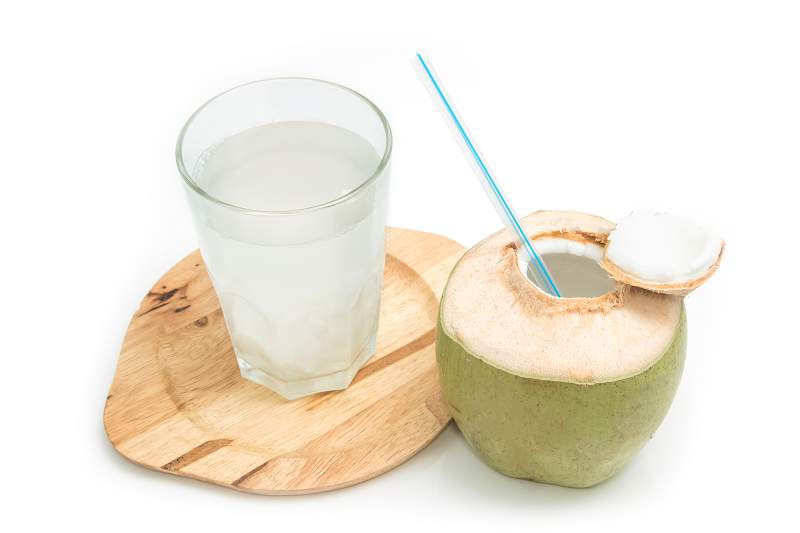
Many people assume coconut water is simply water stored inside a coconut. In reality, it's a nutrient-rich liquid that develops naturally inside young green coconuts to nourish the growing fruit.
It contains essential minerals such as potassium, magnesium, calcium, and sodium, all of which play important roles in maintaining normal body functions.
Unlike many commercial fruit juices and soft drinks, coconut water is relatively low in calories.
A typical 8-ounce (240 ml) serving contains only about 45–60 calories, making it a popular choice for people looking for a lighter beverage option.
One of coconut water's biggest nutritional advantages is its potassium content.
Potassium helps regulate muscle contractions, nerve signals, fluid balance, and blood pressure. In fact, coconut water often contains more potassium than many sports drinks.
After intense exercise or excessive sweating, your body loses important electrolytes.
Because coconut water naturally contains electrolytes such as potassium, sodium, and magnesium, many athletes use it as a natural way to help replenish fluids after physical activity.
Research suggests that coconut water contains antioxidants that may help neutralize harmful free radicals in the body.
Although more studies are needed, these compounds could potentially contribute to overall health and wellness.

Many consumers assume all coconut water products are equally healthy.
However, some bottled versions contain added sugars, flavorings, or preservatives. Reading ingredient labels carefully can help you choose a product closer to natural coconut water.
This is one of the most common misconceptions.
Coconut water is the clear liquid naturally found inside young coconuts. Coconut milk, on the other hand, is made by blending coconut flesh with water.
As a result, coconut milk contains significantly more fat and calories than coconut water.
Have you ever opened a bottle of coconut water and noticed a pink tint?
Don't panic.
This color change often occurs when antioxidants naturally react with oxygen and light. In many cases, pink coconut water is still perfectly safe to drink.
Some studies suggest that unsweetened coconut water may help support healthy blood sugar management thanks to its mineral content and relatively low sugar concentration compared to many sweetened beverages.
However, people with diabetes should still consult their healthcare provider regarding regular consumption.
While coconut water offers many benefits, it may not be suitable for everyone.
Individuals with kidney disease or those who need to limit potassium intake should exercise caution, as coconut water can contain substantial amounts of potassium.
Despite the name, coconuts are not technically nuts.
Botanically speaking, they are classified as a type of fibrous one-seeded fruit known as a drupe.
It's one of the most surprising facts about coconuts that many people never learn.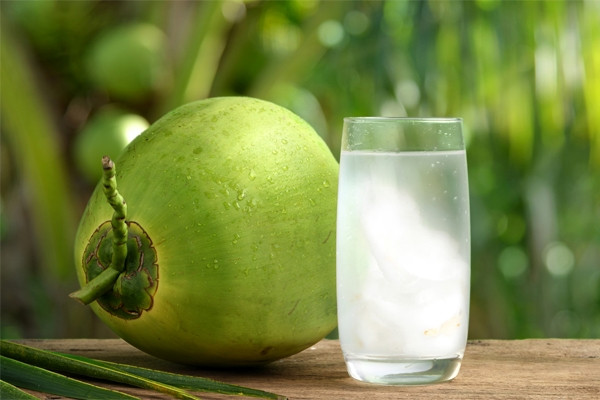
Although coconut water provides hydration and valuable minerals, it shouldn't completely replace regular drinking water.
Plain water remains the most important source of daily hydration, while coconut water is best enjoyed as part of a balanced diet.
Coconut water is a refreshing natural beverage that offers a variety of nutrients and electrolytes. From supporting hydration to providing essential minerals, it can be a healthy addition to many people's diets.
However, like any food or drink, moderation is key. Understanding both the benefits and limitations of coconut water can help you make smarter choices for your health.
The next time you enjoy a fresh coconut, remember—there's much more inside than just a refreshing drink.
😱 Stomach Cancer May Develop Silently—Watch Out for These 15 Symptoms

🤯 The Surprising Effects of Eating Onions That Many People Have Never Heard Before

😨 15 Minutes Before a Stroke: 4 Things Your Body Might Start Doing
😱 What Walnuts Could Be Doing Inside Your Body Might Shock You 👇👇

Most of us happily enjoy the sweet, juicy flesh of an orange and instinctively toss the peel into the trash without a second thought.

Difficulty falling asleep or staying asleep is a problem many people quietly struggle with. Stress, overthinking, poor digestion, hormonal changes, or an irregular routine can all interfere with the body’s natural sleep rhythm.

4 Foods to Eat on an Empty Stomach in the Morning That May Support Digestion and Long-Term Healt
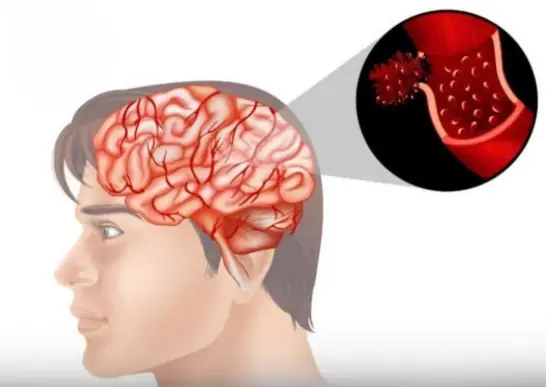
4 Morning Habits That Quietly Increase Your Risk of Stroke — And Why They Should Be Avoided at All Ages

Many women focus on maintaining a healthy lifestyle, but few realize that some everyday foods could be silently damaging their reproductive health.

Gout is a painful and often sudden form of inflammatory arthritis caused by the buildup of uric acid in the body. Uric acid is produced when

Cancer is a complex disease that affects the body in many ways, often long before a diagnosis is made
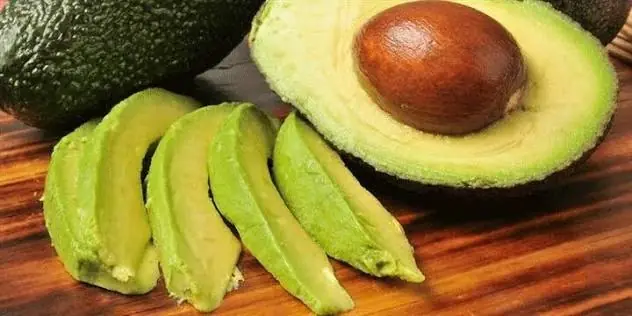
🔍 Scientists Studied What Happens When People Eat Avocados Daily—The Results Were Interesting 👇

The condition you're referring to is likely testicular torsion, a medical emergency where the spermatic cord, which provides blood flow to the testicle, becomes twisted.

Boiled eggs are one of the most common and convenient foods in everyday life.


👀 Do You Drool in Your Sleep? The Answer Might Surprise You… See More 👇
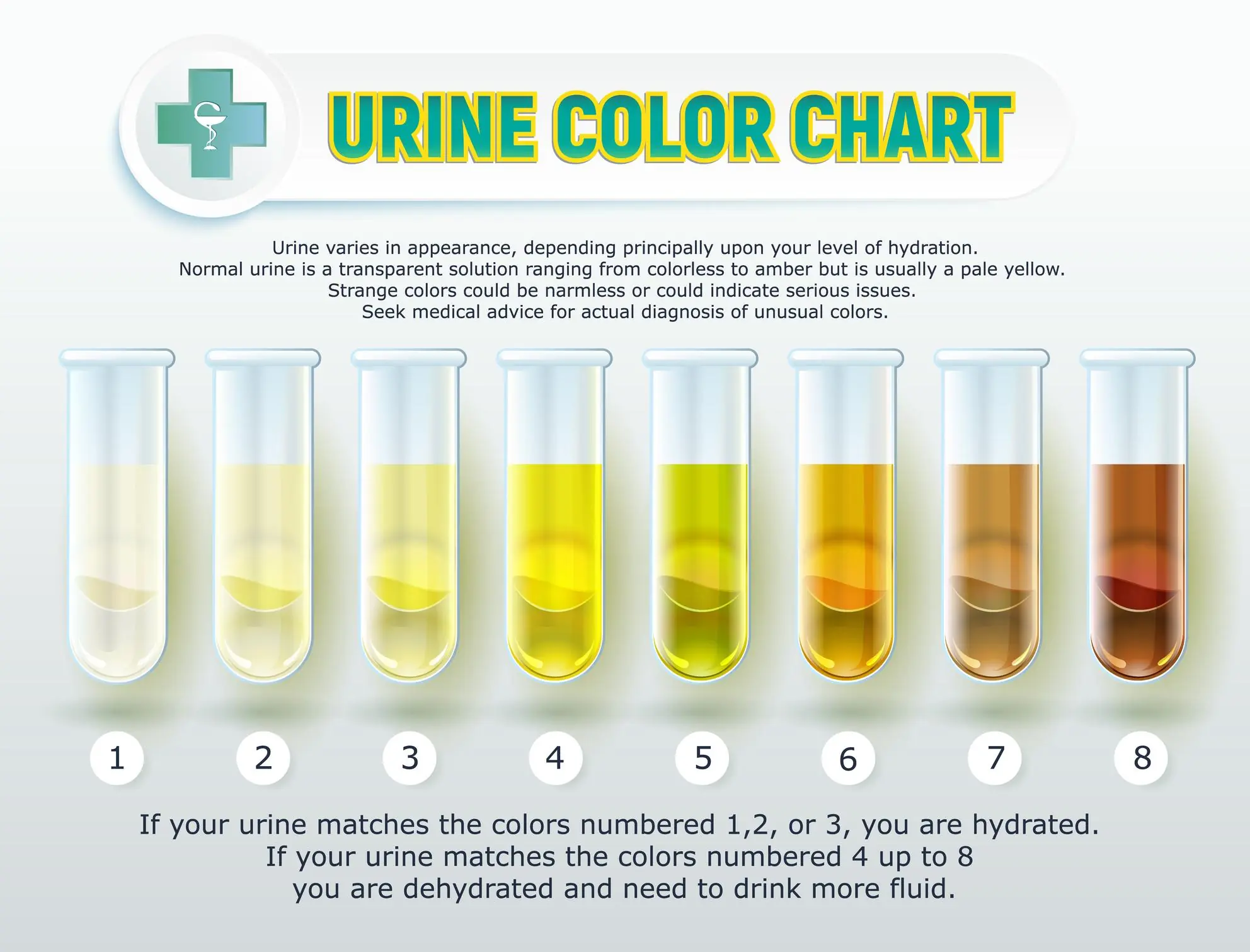
The Urine Color Guide Everyone Should Know About

Don't Ignore That Lump on Your Hand — The Cause May Surprise You
😱 Stomach Cancer May Develop Silently—Watch Out for These 15 Symptoms
🤯 The Surprising Effects of Eating Onions That Many People Have Never Heard Before
😨 15 Minutes Before a Stroke: 4 Things Your Body Might Start Doing
😱 What Walnuts Could Be Doing Inside Your Body Might Shock You 👇👇
Most of us happily enjoy the sweet, juicy flesh of an orange and instinctively toss the peel into the trash without a second thought.
Difficulty falling asleep or staying asleep is a problem many people quietly struggle with. Stress, overthinking, poor digestion, hormonal changes, or an irregular routine can all interfere with the body’s natural sleep rhythm.
4 Foods to Eat on an Empty Stomach in the Morning That May Support Digestion and Long-Term Healt
4 Morning Habits That Quietly Increase Your Risk of Stroke — And Why They Should Be Avoided at All Ages
Many women focus on maintaining a healthy lifestyle, but few realize that some everyday foods could be silently damaging their reproductive health.
Gout is a painful and often sudden form of inflammatory arthritis caused by the buildup of uric acid in the body. Uric acid is produced when
Cancer is a complex disease that affects the body in many ways, often long before a diagnosis is made

Snake Bite? Take These Critical First Steps Immediately — They Can Save a Life
🔍 Scientists Studied What Happens When People Eat Avocados Daily—The Results Were Interesting 👇
The condition you're referring to is likely testicular torsion, a medical emergency where the spermatic cord, which provides blood flow to the testicle, becomes twisted.
Boiled eggs are one of the most common and convenient foods in everyday life.
👀 Do You Drool in Your Sleep? The Answer Might Surprise You… See More 👇

Your Arms and Legs May Be Sending Important Warning Signals at Night—Here Are 6 to Watch For