On April 16, the topic “35-Year-Old Pregnant Woman Dies After Eating Leftovers Stored in the Refrigerator” became the top trending search on Weibo.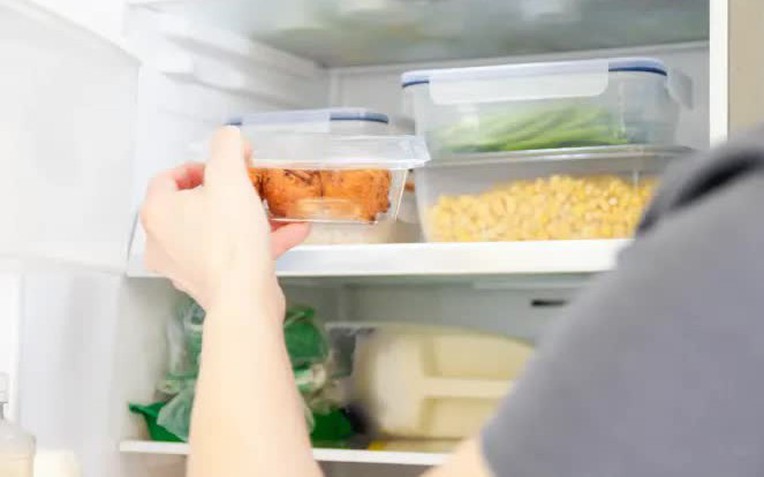
According to reports, the woman became infected with Listeria after eating refrigerated leftovers. Despite receiving intensive treatment for three months, she did not survive and passed away just two days after her 35th birthday.
As temperatures rise, chilled and refrigerated foods become more common in daily life. However, food safety remains critically important because certain cold-tolerant bacteria can continue to multiply even in low-temperature environments.
Doctors explain that infections caused by Listeriosis are more common during summer and early autumn, with peak incidence occurring from June to September. The refrigerator can become an ideal breeding ground for Listeria monocytogenes.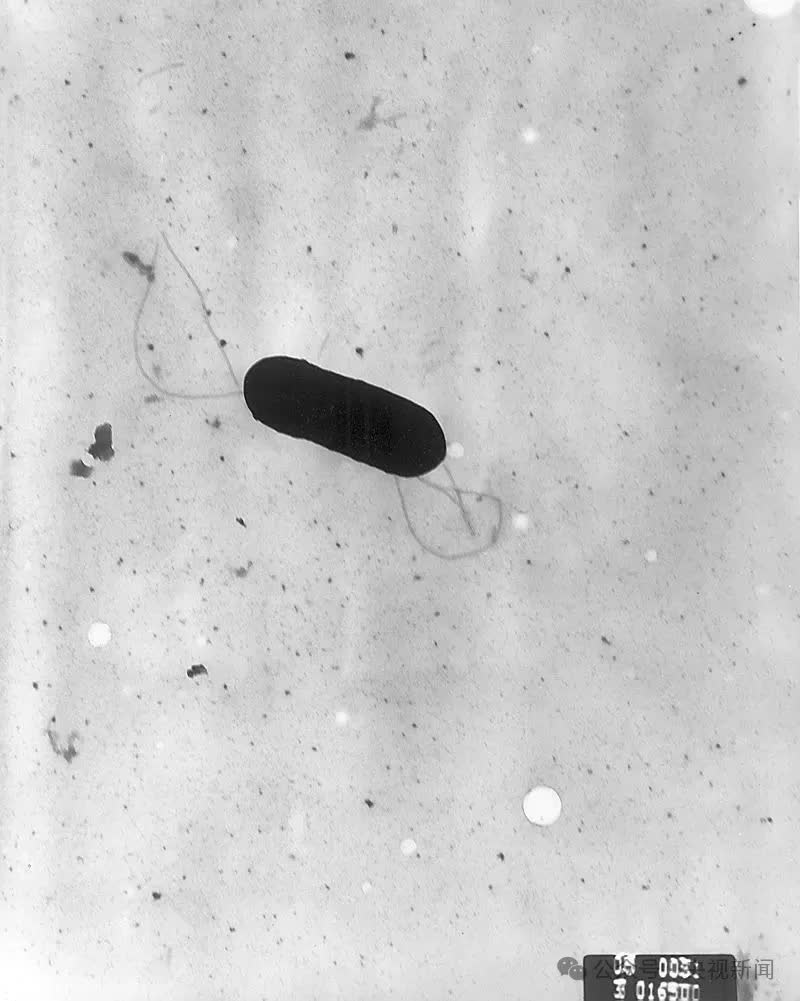
Why Listeria Is So Dangerous
Unlike many other bacteria, Listeria has a unique characteristic: it can continue to grow at temperatures around 4°C (39°F), the typical temperature inside most refrigerators.
This often leads people to assume that food kept in the refrigerator is safe to eat if it still looks and smells normal. In reality, Listeria may already have multiplied to dangerous levels and can cause serious illness once ingested.
Doctors note that Listeria infections are often subtle. Healthy adults may experience only mild flu-like symptoms, including:
- Fever
- Nausea
- Joint pain
- Fatigue
However, for pregnant women, newborns, and people with weakened immune systems, the consequences can be severe.
Expert Fan Yifan explains that Listeria can cross the placenta and infect the fetus, potentially causing miscarriage, fetal growth restriction, premature birth, or other serious pregnancy complications.
In addition to the mother’s symptoms, fetal movement should be monitored closely. If movements become noticeably reduced or abnormal, immediate medical evaluation is recommended.
How to Prevent Listeria Infection
Doctors emphasize that Listeria is a foodborne pathogen, and high-risk individuals should adopt safe eating habits.
Because the bacteria are destroyed when food is heated to 70°C (158°F) for 2–3 minutes, refrigerated foods should always be reheated thoroughly before consumption.
Pregnant women are advised to avoid raw foods and cold items of uncertain hygiene, such as:
- Soft-serve ice cream from machines
- Pre-cut fruit purchased outside the home
- Unwashed raw vegetables
Foods That Commonly Harbor Listeria
Listeria cannot be detected by sight, smell, or taste. It is widely found in soil, animals, plants, and wastewater, making contamination possible during food production and processing.
Because it can survive even in low-oxygen environments, Listeria may persist in:
- Vacuum-packed cooked sausages
- Deli meats and smoked meats
- Unpasteurized milk
- Salads and unwashed vegetables
- Cooked meats
- Pre-cut fruit
Cantaloupe and other melons can also pose a risk. During heavy rain, bacteria from soil may splash onto the fruit’s surface. The rough rind is difficult to clean thoroughly, and bacteria can be transferred to the flesh when the fruit is cut.
Because melons are low in acidity and are often stored in the refrigerator for extended periods, they provide favorable conditions for Listeria growth. Some experts recommend that high-risk individuals avoid pre-cut melon.
Important Refrigerator Safety Tips
Bacteria grow rapidly at temperatures above 5°C (41°F), so the refrigerator compartment should be maintained at 4°C (39°F) or lower.
Experts recommend placing thermometers in several areas of the refrigerator to monitor temperature accurately and make adjustments when needed.
It is also important to remember that temperatures are not uniform throughout the refrigerator:
- The back of the refrigerator is usually the coldest area.
- The refrigerator door is typically the warmest area.