The Timeless Story of Thimbles: Tiny Objects with a Remarkable History
Have you ever discovered a small metal object tucked away in an old sewing box, kitchen cupboard, or family heirloom collection and wondered what it was? Many younger generations might not immediately recognize it, but for centuries, one tiny tool played a vital role in households around the world: the thimble.
Though small enough to fit on the tip of a finger, thimbles carry a surprisingly rich history filled with craftsmanship, tradition, and family memories. What was once an essential sewing tool has evolved into a beloved collectible and a symbol of a bygone era.
What Exactly Is a Thimble?

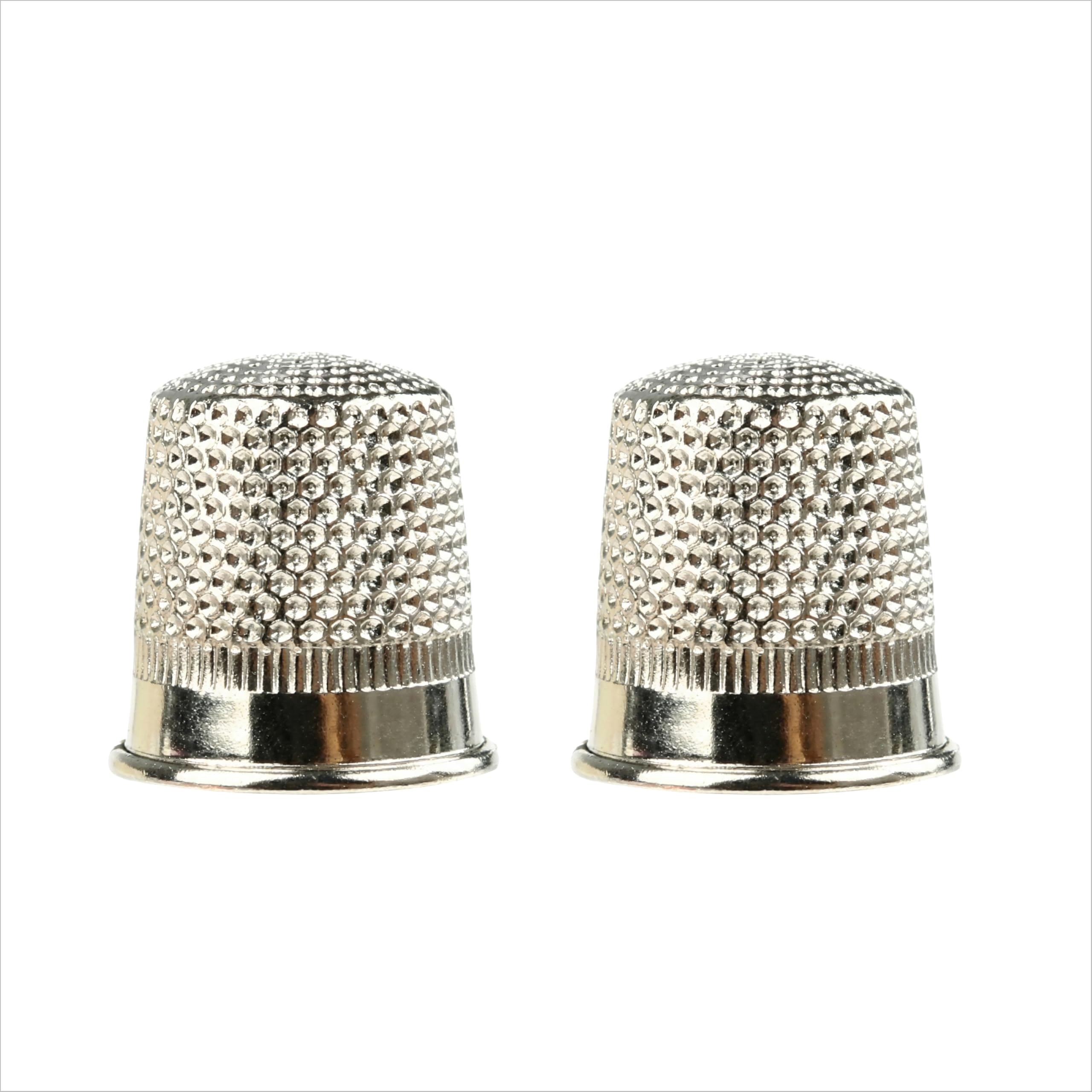
A thimble is a small cap, usually worn on the finger or thumb, designed to protect the skin while pushing a needle through fabric. Its surface is covered with tiny indentations that help keep the needle from slipping during sewing.
Today, many people know thimbles only as decorative objects or collectibles, but before sewing machines became common, they were indispensable tools found in nearly every household.
A History Stretching Back Thousands of Years
The origins of thimbles reach much further back than most people realize. Historians have discovered early forms of finger protection used by ancient peoples thousands of years ago while sewing leather garments and animal hides. Archaeological finds from the Roman era reveal metal thimbles dating back nearly 2,000 years.
As civilizations developed, sewing became an essential skill, and thimbles evolved alongside it. During the Middle Ages, skilled craftsmen produced thimbles from brass, bronze, silver, and even precious metals for wealthy families. By the time of the Industrial Revolution, mass production made thimbles affordable and accessible to ordinary households.
More Than Just a Sewing Tool
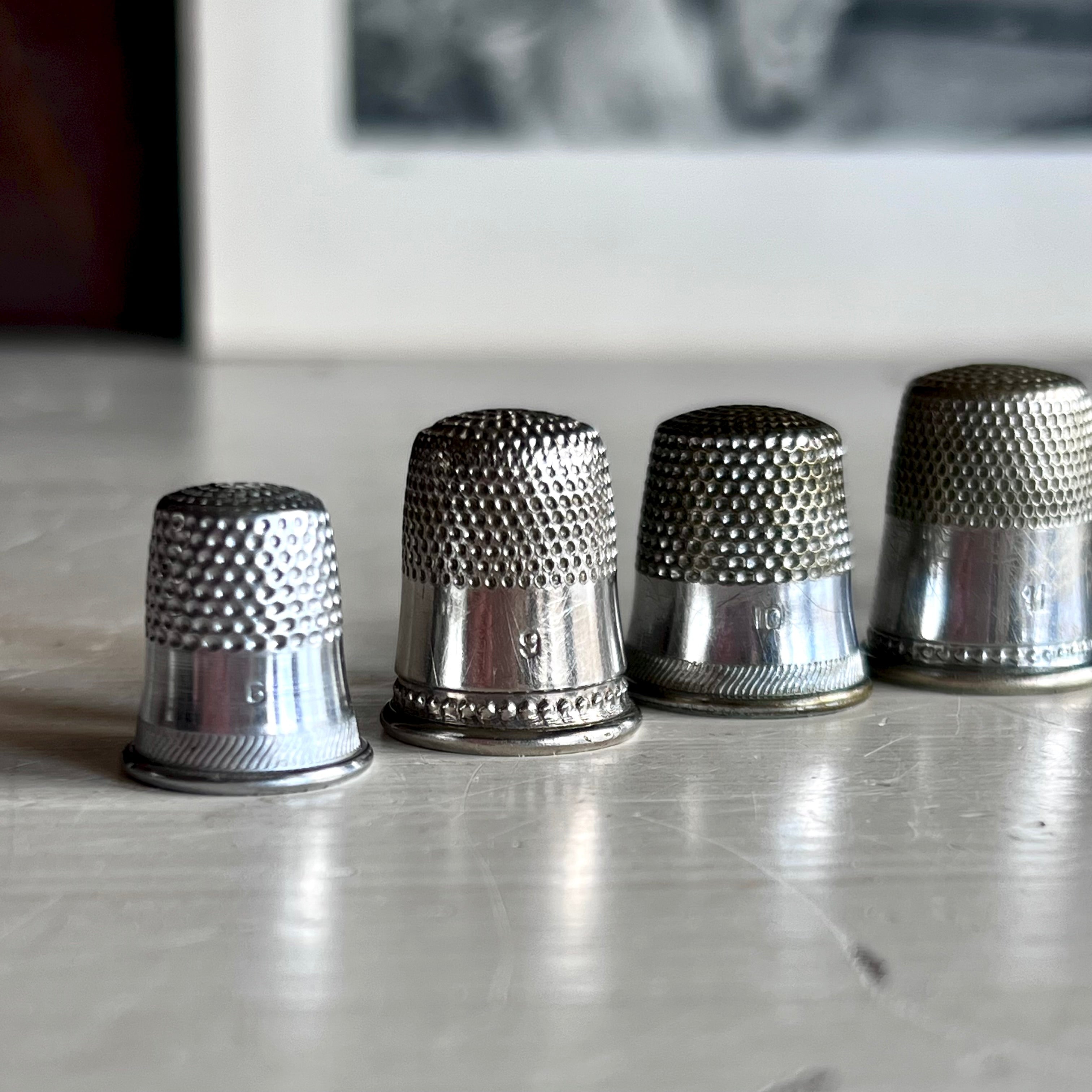
For generations, sewing was a daily necessity. Clothes, blankets, curtains, and household linens were often made or repaired by hand. A simple thimble protected fingers from painful needle pricks and made it easier to push needles through thick fabrics such as wool, denim, and leather.
Yet thimbles served purposes beyond practicality.
In many cultures, they became symbols of care, skill, and domestic craftsmanship. Young women often received thimbles as gifts when learning to sew, and some families passed them down through generations as treasured keepsakes. Certain thimbles were even given as tokens of affection, carrying sentimental meaning far beyond their everyday use.
The Beauty of Thimble Craftsmanship
One reason thimbles continue to fascinate collectors is the incredible variety of designs and materials used throughout history.
Artisans have crafted thimbles from:
- Brass
- Silver
- Gold
- Porcelain
- Bone
- Wood
- Ivory
- Glass
- Plastic
- Rubber
Some were simple and functional, while others featured intricate engravings, enamel decorations, gemstones, or commemorative designs celebrating special events and historical milestones.
Victorian-era collectors became especially fond of decorative thimbles, transforming them from sewing tools into miniature works of art.
Why Collectors Love Thimbles Today
Even though sewing machines have reduced the need for hand sewing, interest in thimbles has never completely disappeared.
Collectors appreciate them because each one tells a story. A worn metal thimble may reveal years of use by a skilled seamstress. A silver thimble engraved with initials might commemorate a wedding gift from generations ago. Antique dealers and historians often view thimbles as tiny windows into everyday life from the past.
Entire collections are built around specific themes, including:
- Historical periods
- Countries of origin
- Materials
- Famous landmarks
- Royal commemorations
- Handcrafted artistic designs
For many enthusiasts, collecting thimbles is about preserving history one small object at a time.
A Symbol of Family Memories
Perhaps the most touching aspect of thimbles is their connection to family history.
Many people first encounter a thimble while sorting through a grandmother's sewing kit or opening a forgotten drawer filled with old household treasures. These small objects often evoke memories of loved ones who spent hours mending clothes, creating quilts, or teaching younger generations how to sew.
A single thimble can serve as a powerful reminder of patience, creativity, and the care that previous generations invested in everyday life.
Why Thimbles Still Matter
In a world dominated by technology and disposable products, thimbles remind us of a time when things were repaired instead of replaced, when handmade craftsmanship was a part of daily living, and when simple tools played an important role in family life.
Though tiny in size, thimbles represent centuries of ingenuity, artistry, and tradition. Whether displayed in a collection, preserved as a family heirloom, or still used by sewing enthusiasts today, these miniature treasures continue to connect us with the past.
The next time you come across one hidden in an old cupboard or sewing box, take a closer look. That little metal cap may hold a story that has traveled through generations.