Vitamin D and Fatty Li.ver: The Hidden Link You Shouldn’t Ignore
In recent years, non-alcoholic fatty liver disease (NAFLD) has quietly become one of the most common chronic health conditions worldwide. Often called a “silent disease,” it can develop without noticeable symptoms—until serious damage has already occurred.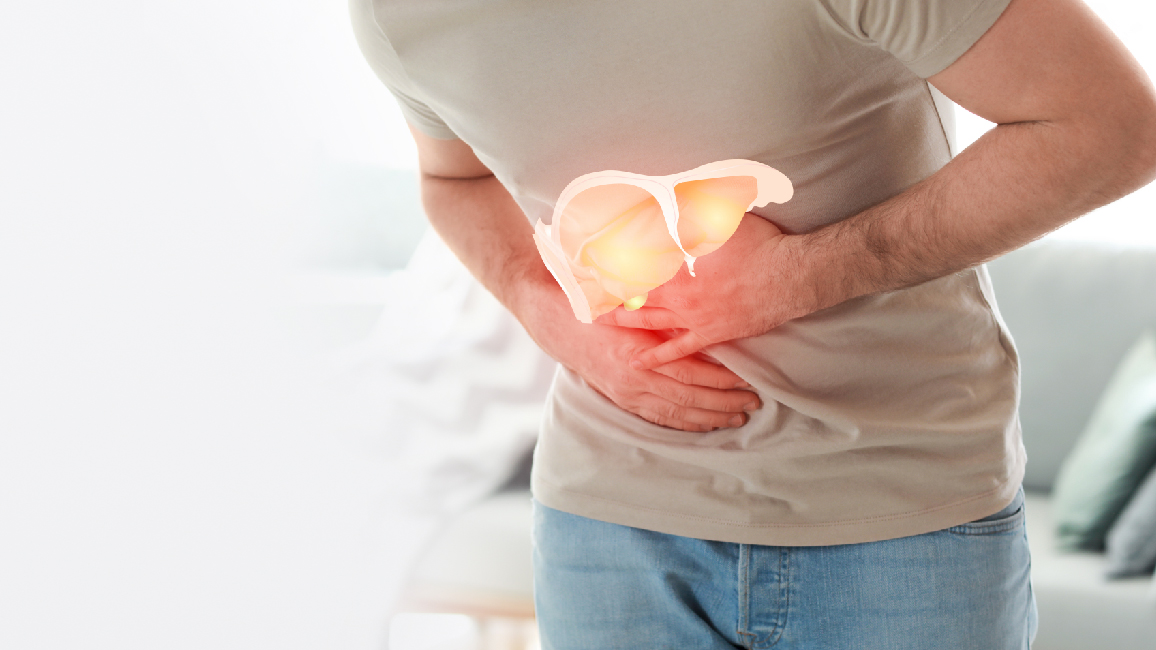
Now, growing evidence suggests that one key nutrient may play a bigger role than many people realize: vitamin D.
What Is Fatty Liver Disease?
Fatty liver disease occurs when excess fat builds up in liver cells. While small amounts of fat are normal, too much can interfere with liver function and lead to inflammation, scarring, and even liver failure over time.
Globally, it is estimated that up to 25–45% of adults may have some form of fatty liver disease, with even higher rates among people with obesity or type 2 diabetes.
The Role of Vitamin D in the Body
Vitamin D is a fat-soluble hormone that plays a critical role in many bodily functions, including immune health, metabolism, and inflammation control. Most of it is produced in the skin through sunlight exposure, with smaller amounts coming from food.
But its connection to liver health is what’s gaining increasing attention.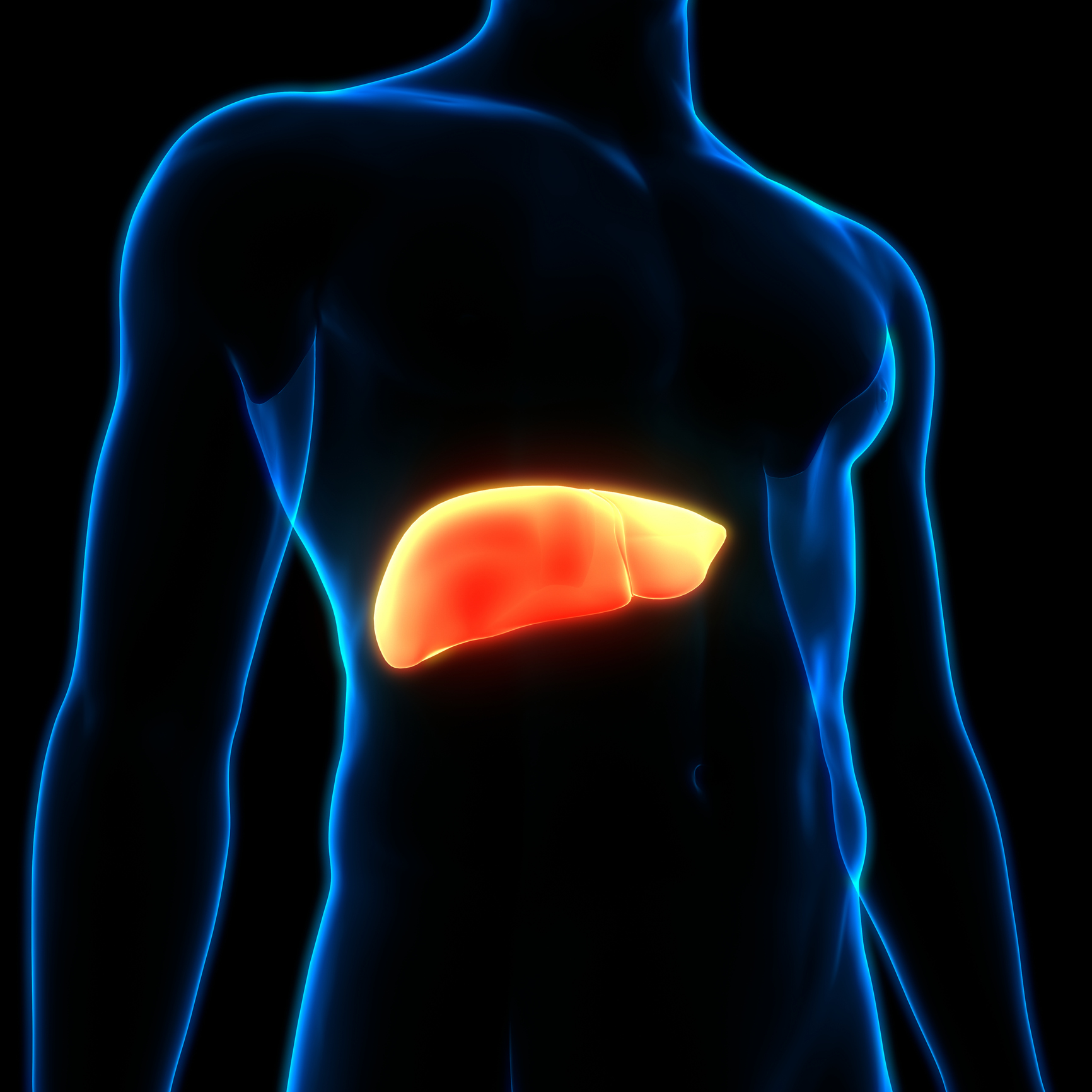
The Link Between Vitamin D and Fatty Liver
Research shows a strong association between low vitamin D levels and fatty liver disease.
People with vitamin D deficiency are more likely to develop fat accumulation in the liver, and lower levels of vitamin D have been linked to more severe disease and even higher mortality risk.
Scientists believe this connection exists because vitamin D influences several key processes:
- Insulin sensitivity: Vitamin D helps regulate how the body processes glucose and fat
- Inflammation control: Low levels may increase chronic inflammation, worsening liver damage
- Fat metabolism: It plays a role in how fat is stored and broken down in the liver
Deficiency has also been associated with increased visceral fat, which can drive fat buildup in the liver and worsen metabolic dysfunction.
Can Vitamin D Help Improve Fatty Liver?
Some studies suggest that vitamin D supplementation may help reduce liver fat and inflammation.
For example, research has shown that vitamin D may:
- Reduce fat accumulation in liver cells
- Improve liver enzyme levels
- Support healthier gut bacteria linked to metabolism
However, scientists caution that results are still mixed, and vitamin D should not be seen as a standalone cure. Lifestyle changes—such as diet, exercise, and weight management—remain essential.

Why Many People Are Deficient
Despite its importance, vitamin D deficiency is extremely common. Factors that contribute include:
- Limited sun exposure
- Spending most of the day indoors
- Darker skin tone
- Poor diet
Because vitamin D is produced in the skin, modern lifestyles with less outdoor time may be one of the biggest reasons levels are dropping worldwide.
When Should You Pay Attention?
Fatty liver disease often develops silently, but some warning signs may include:
- Fatigue
- Mild abdominal discomfort
- Unexplained weight gain
If you are at risk—especially if you have obesity, diabetes, or metabolic syndrome—it may be worth checking both your liver health and vitamin D levels.
The Bottom Line
Vitamin D is not just a “sunshine vitamin.” It plays a deeper role in metabolic health than many people realize.
While more research is still needed, the evidence so far suggests this simple nutrient could be an important piece of the fatty liver puzzle.
Ignoring it might mean overlooking a key factor in your long-term health.