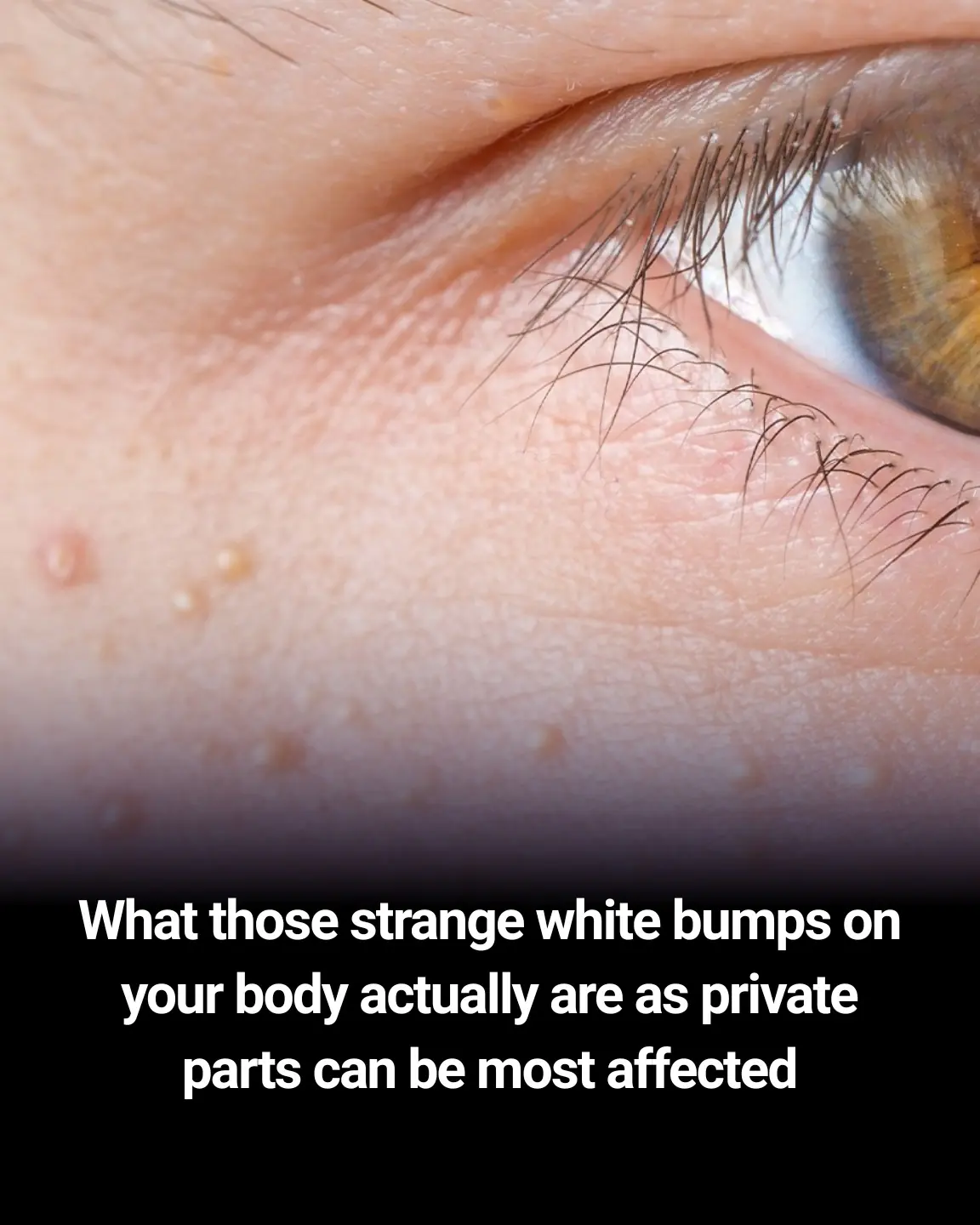
White bumps on the skin can be alarming, especially when they appear in sensitive or private areas. While many people worry that these bumps may indicate a serious infection or disease, in most cases they are harmless. Understanding the causes, symptoms, and treatments for these bumps can help you address them safely and prevent complications.
In this article, we’ll discuss the most common types of white bumps, why private areas are often affected, and what you can do to manage or prevent them.
1. Fordyce Spots
What they are:
Fordyce spots are small, painless, pale or white bumps that often appear on the lips, genital area, or inside the mouth. They are enlarged sebaceous (oil) glands that occur naturally and are not associated with any disease or infection.
Why private areas are affected:
-
Sebaceous glands are concentrated in areas like the scrotum, labia, and inner lips.
-
Hormonal changes, especially during puberty, can make these glands more noticeable.
Symptoms:
-
Small, slightly raised, white or yellowish bumps
-
Usually painless and harmless
-
May cluster together in certain areas
Treatment:
-
Generally, no treatment is needed, as they are harmless.
-
If cosmetic concern arises, dermatologists may use laser treatment, topical retinoids, or micro-punch techniques.
2. Milia
What they are:
Milia are tiny white cysts that occur when keratin becomes trapped beneath the skin. They are common in newborns but can also appear in adults, particularly around the eyes, cheeks, and genital areas.
Why private areas are affected:
-
Sweat and friction in folds of skin, such as the groin or under the breasts, can trap keratin and lead to milia formation.
Symptoms:
-
Tiny, hard, white or yellowish bumps
-
Usually painless and non-itchy
-
Do not typically spread
Treatment:
-
Most milia disappear naturally over time.
-
Professional extraction by a dermatologist is recommended if they persist.
-
Avoid squeezing or picking at them to prevent infection or scarring.
3. Pearly Penile Papules (PPP)
What they are:
Pearly penile papules are small, dome-shaped, white or flesh-colored bumps that appear around the corona of the penis. They are a normal anatomical variation and are not contagious.
Why private areas are affected:
-
These bumps appear almost exclusively in males, around the glans penis.
-
They are a normal part of genital anatomy and are not related to sexual activity or poor hygiene.
Symptoms:
-
Small, dome-shaped, white or translucent bumps
-
Usually arranged in rows around the penis
-
Painless and harmless
Treatment:
-
Treatment is not necessary.
-
Removal is only done for cosmetic reasons and can be performed by a dermatologist using laser therapy or cryotherapy.
4. Genital Warts (HPV-Related)
What they are:
Genital warts are caused by certain strains of the human papillomavirus (HPV). They appear as small, white, flesh-colored, or pink bumps on the genitals, groin, or anus.
Why private areas are affected:
-
HPV is a sexually transmitted virus, so warts appear in areas of sexual contact.
Symptoms:
-
Small white or flesh-colored bumps
-
Can be singular or cluster together
-
May cause itching, burning, or discomfort, though often painless
Treatment:
-
Warts can be treated with topical medications, cryotherapy (freezing), or laser removal.
-
HPV vaccines can help prevent future infections.
5. Folliculitis
What it is:
Folliculitis is an infection or inflammation of hair follicles, which can lead to small white or pus-filled bumps. It can occur anywhere there is hair, including private areas.
Why private areas are affected:
-
Friction from clothing, shaving, or sweating in areas like the groin can irritate hair follicles.
Symptoms:
-
Small white or red bumps around hair follicles
-
Itchiness or mild pain
-
Pus may form in some cases
Treatment:
-
Keep the area clean and dry.
-
Use topical antibiotics if bacterial infection is present.
-
Avoid shaving or tight clothing until it heals.
6. Cysts and Sebaceous Cysts
What they are:
Sebaceous cysts are non-cancerous, small bumps filled with sebum or keratin. They can appear anywhere on the body, including the genitals and buttocks.
Why private areas are affected:
-
Sebaceous glands are concentrated in folds of skin, making private areas more prone to cyst formation.
Symptoms:
-
Round, firm, white or yellowish bumps
-
May become inflamed or painful if infected
-
Usually slow-growing
Treatment:
-
Minor cysts may not require treatment.
-
Larger or painful cysts can be removed surgically.
Preventive Tips
1. Maintain Good Hygiene:
- Wash genital and other sensitive areas daily with mild soap and water.
2. Avoid Tight Clothing:
- Tight underwear or pants can irritate skin and hair follicles, leading to bumps.
3. Use Clean Razors:
- Shaving with unclean or dull razors increases the risk of folliculitis and irritation.
4. Avoid Picking or Squeezing:
- Picking at bumps can lead to infection or scarring.
5. Safe Se.xual Practices:
- Use protection and practice safe s.e.x to reduce the risk of HPV and other STIs.
6. See a Dermatologist:
- If bumps are persistent, painful, spreading, or accompanied by other symptoms, seek medical advice for proper diagnosis and treatment.
Conclusion
White bumps on the body, especially in private areas, are often harmless and common, such as Fordyce spots, milia, or pearly penile papules. However, some bumps may indicate infections, sexually transmitted diseases, or other skin conditions that require medical attention.
By maintaining good hygiene, wearing breathable clothing, practicing safe sexual habits, and consulting a healthcare provider when necessary, you can manage and prevent most causes of white bumps. Awareness and early evaluation ensure that you stay healthy while avoiding unnecessary worry.