
White Balls in the Throat? Doctors Explain What Tonsil Stones Really Are
Many people are alarmed when they notice small white or yellowish lumps in their throat. Often mistaken for infection or something serious, these formations are commonly known as tonsil stones, or medically, tonsilloliths—and they are more common than you might think.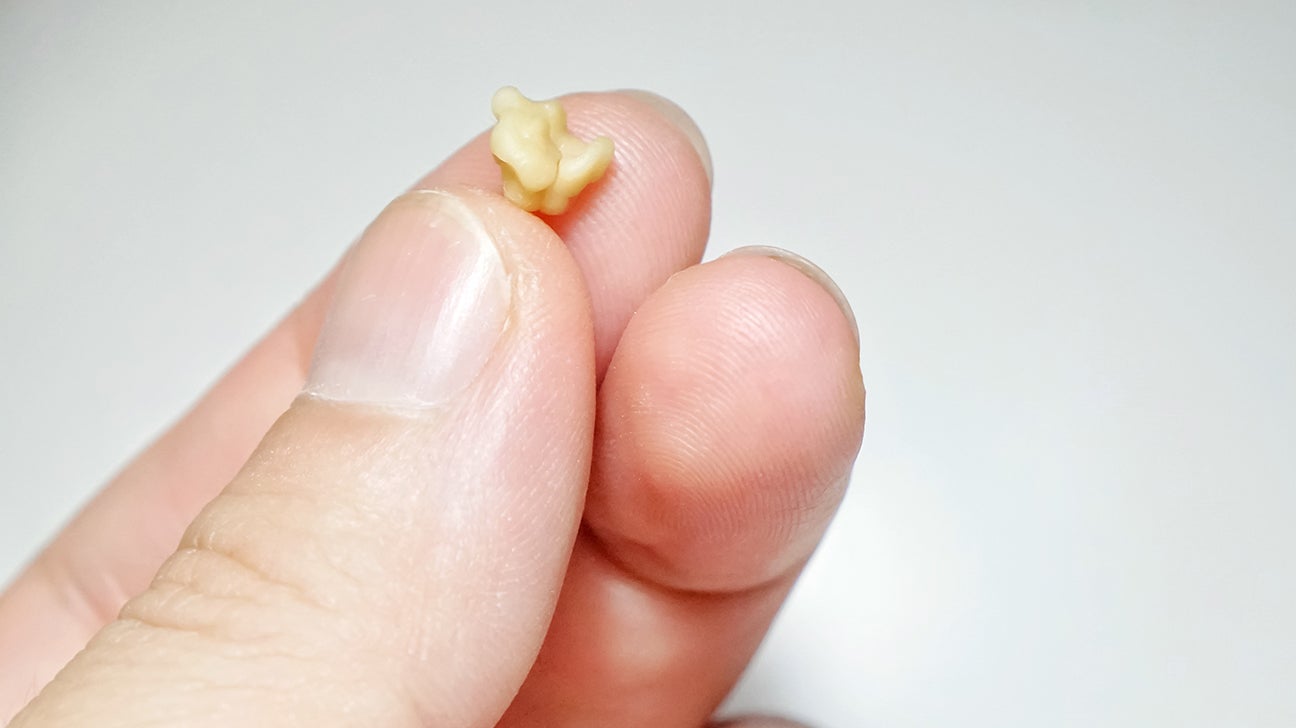
What Are Tonsil Stones?
Tonsil stones are small, hardened deposits that form in the crevices (called crypts) of the tonsils. These stones develop when food particles, dead cells, mucus, and bacteria become trapped and gradually calcify over time.
Typically white or yellow in color, they can range from tiny specks to larger, more noticeable lumps at the back of the throat.
Why Do They Form?
Your tonsils play a role in the immune system by trapping germs. However, their uneven surface makes them prone to collecting debris. When this debris accumulates and hardens, tonsil stones are formed.
Factors that may increase the risk include:
- Poor oral hygiene
- Chronic tonsillitis
- Large or irregular tonsils
- Dry mouth or sinus issues
Common Symptoms to Watch For
In many cases, tonsil stones are harmless and may not cause noticeable symptoms. However, larger stones can lead to:
- Persistent bad breath (a key sign)
- Sore throat or discomfort
- Difficulty swallowing
- Ear pain (due to shared nerve pathways)
- A feeling of something stuck in the throat
One of the most telling symptoms is chronic bad breath, caused by bacteria trapped inside the stones.
Are Tonsil Stones Dangerous?
The good news is that tonsil stones are generally not dangerous and rarely lead to serious complications.
However, they can be uncomfortable and embarrassing, especially due to bad breath. In rare cases, large or recurring stones may require medical attention.
How Are They Treated or Removed?
Most tonsil stones can be managed at home. Common approaches include:
- Gargling with salt water
- Maintaining good oral hygiene
- Gently removing them with a cotton swab
In more severe or persistent cases, doctors may recommend:
- Antibiotics (if infection is present)
- Professional removal
- Surgery (rarely, for chronic cases)
How to Prevent Tonsil Stones
Prevention mainly focuses on keeping the mouth clean and reducing debris buildup:
- Brush and floss regularly
- Clean your tongue
- Stay hydrated
- Gargle after meals
Good oral hygiene is the most effective way to reduce the chances of developing tonsil stones.
When Should You See a Doctor?
While usually harmless, you should seek medical advice if you experience:
- Severe pain or swelling
- Difficulty swallowing
- Frequent recurrence
- Signs of infection