
Warts or Skin Tags? Here's the Safest Way to Get Rid of Them
Not every skin growth is harmless—learn when treatment is truly needed.
Health 06/08/2026 00:10
Soursop, also known as graviola, guanábana, or Annona muricata, is a tropical fruit enjoyed in many parts of the world for its sweet, tangy flavor and creamy texture. Beyond its delicious taste, both the fruit and its leaves have been used for generations in traditional herbal practices across the Caribbean, Central and South America, Southeast Asia, and parts of Africa.
In recent years, soursop has gained widespread attention for its potential health benefits. The fruit is packed with vitamins, minerals, fiber, and antioxidants, while the leaves contain a variety of plant compounds that scientists continue to study. However, it is important to distinguish between traditional use and scientific evidence. Although laboratory and animal studies have shown promising results for certain compounds found in soursop, there is currently insufficient high-quality evidence to conclude that soursop leaves can prevent, treat, or cure diseases in humans, including cancer.
When enjoyed as part of a balanced diet, soursop fruit can be a nutritious addition to your meals, and soursop leaves may be used traditionally as an herbal tea in some cultures. Let's explore ten ways they may support overall health.

One of the biggest nutritional strengths of soursop is its impressive antioxidant content.
Both the fruit and leaves contain naturally occurring compounds such as:
Flavonoids
Phenolic compounds
Vitamin C
Alkaloids
Acetogenins (primarily studied in laboratory settings)
Antioxidants help protect cells from damage caused by free radicals, unstable molecules produced during normal metabolism and exposure to environmental factors like pollution and tobacco smoke.
While antioxidants are an important part of a healthy diet, eating antioxidant-rich foods alone cannot prevent disease. Instead, they contribute to overall cellular health when included as part of a varied, nutrient-rich eating pattern.
Soursop fruit is an excellent source of vitamin C.
Vitamin C supports several important functions, including:
Normal immune function
Collagen production
Wound healing
Iron absorption
Antioxidant protection
Collagen is the body's most abundant structural protein, helping maintain healthy skin, blood vessels, cartilage, tendons, and bones.
Adding vitamin C-rich fruits like soursop to your diet is a delicious way to support your daily nutritional needs.
Soursop fruit contains dietary fiber, which plays an essential role in digestive health.
Fiber helps:
Promote regular bowel movements
Support beneficial gut bacteria
Increase feelings of fullness
Contribute to healthy cholesterol levels
Most adults consume less fiber than recommended, making fruits like soursop a valuable addition to a balanced diet.
To maximize fiber intake, enjoy fresh fruit rather than strained juice whenever possible.
Heart health depends on many lifestyle factors, including nutrition, physical activity, sleep, stress management, and avoiding smoking.
Soursop contributes several nutrients that support cardiovascular wellness, including:
Potassium
Fiber
Vitamin C
Antioxidants
Potassium helps regulate fluid balance and supports normal muscle and nerve function, including the muscles involved in maintaining a healthy heartbeat.
Replacing high-sugar desserts with fresh fruit can also contribute to an overall heart-friendly diet.
Soursop leaves and fruit contain numerous phytochemicals.
Researchers continue studying compounds such as:
Flavonoids
Polyphenols
Acetogenins
Laboratory research has investigated how these compounds interact with cells under controlled conditions.
However, laboratory findings do not automatically translate into proven health benefits in humans, and much more clinical research is needed before any medical claims can be made.
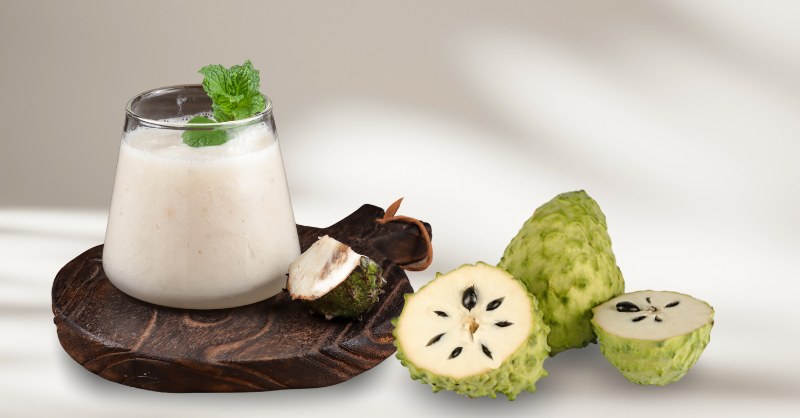
Fresh soursop contains natural fruit sugars, but it also provides fiber, which helps slow the absorption of carbohydrates during digestion.
When eaten in reasonable portions as part of a balanced meal, whole fruit can fit into many healthy eating patterns.
People with diabetes or other blood sugar concerns should monitor portion sizes and follow individualized advice from their healthcare provider or registered dietitian.
Unsweetened fresh fruit is generally a better choice than sugar-sweetened fruit drinks.
In addition to vitamins, soursop contains several important minerals.
These include:
Supports healthy blood pressure and muscle function.
Contributes to hundreds of enzyme reactions throughout the body.
Supports normal muscle and nerve function.
Helps with energy production and the formation of connective tissues.
Iron supports the production of healthy red blood cells.
Pairing iron-containing foods with vitamin C-rich fruits can improve iron absorption.
Healthy skin depends on many nutrients working together.
Soursop contributes:
Vitamin C
Water
Antioxidants
Vitamin C is essential for collagen synthesis, helping maintain skin structure and elasticity.
Hydration from water-rich fruits also contributes to overall skin health.
While no fruit can erase wrinkles or stop aging, a diet rich in fruits and vegetables supports healthy skin over time.
Like many tropical fruits, soursop contains a high percentage of water.
Enjoying water-rich fruits contributes to your daily fluid intake while providing vitamins, minerals, and fiber.
Fresh soursop can be enjoyed:
Chilled
Blended into smoothies
Mixed with yogurt
Added to fruit salads
Frozen into healthy desserts
Choose recipes with little or no added sugar to maximize nutritional value.
One of the greatest benefits of soursop is simply that it encourages people to eat more fruit.
Health organizations around the world recommend consuming a variety of colorful fruits and vegetables every day because they provide:
Fiber
Vitamins
Minerals
Antioxidants
Phytochemicals
No single fruit provides every nutrient the body needs, but incorporating diverse plant foods helps create a balanced and nutritious diet.
Soursop leaf tea has a long history of traditional use in many cultures.
People have traditionally consumed it for relaxation, digestion, and general wellness.
However, it's important to understand the current scientific evidence.
Although laboratory and animal studies have explored potential biological activities of compounds found in soursop leaves, there is not enough high-quality clinical evidence to confirm that drinking soursop leaf tea can prevent or treat diseases in humans.
Additionally, consuming large amounts of soursop leaf extracts or concentrated supplements may not be safe.
Some research has raised concerns that excessive consumption of compounds naturally present in soursop could affect the nervous system, although more human research is needed.
Moderation is important.
Simply scoop out the creamy flesh and remove the seeds before eating.
Never chew or consume the seeds.
Blend soursop with:
Banana
Pineapple
Greek yogurt
Unsweetened milk
Ice
This creates a naturally sweet tropical smoothie.
Combine soursop with:
Mango
Papaya
Kiwi
Strawberries
Coconut flakes
Freeze fresh soursop puree into popsicles or sorbet without adding excessive sugar.
Some people prepare tea using dried soursop leaves.
If you choose to drink herbal tea, use moderate amounts and consult your healthcare provider if you have underlying medical conditions or take prescription medications.
Although soursop is nutritious, a few precautions are worth remembering.
Remove and discard all seeds before eating the fruit.
Avoid consuming large amounts of concentrated leaf extracts unless advised by a healthcare professional.
Pregnant or breastfeeding individuals should consult their healthcare provider before using herbal preparations made from soursop leaves.
If you take medications for blood pressure, diabetes, or other chronic conditions, speak with your healthcare provider before regularly consuming herbal supplements.
Eating fresh fruit in normal food amounts is generally considered safe for most healthy adults.
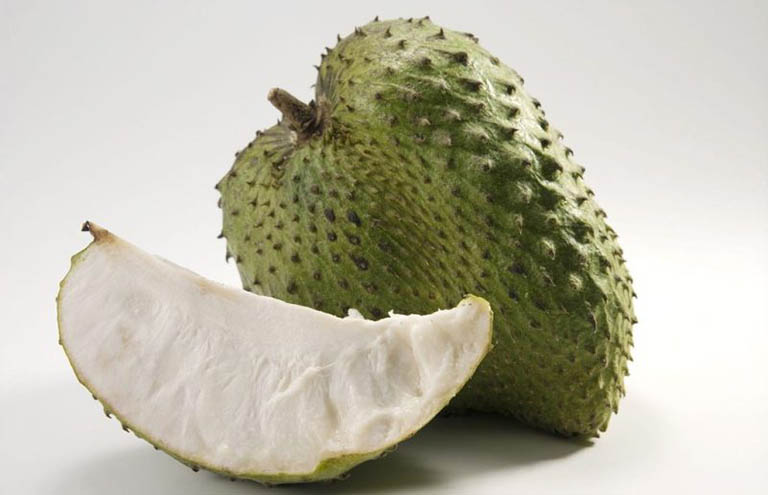
Soursop is a flavorful tropical fruit that provides vitamin C, fiber, potassium, antioxidants, and a variety of beneficial plant compounds. Both the fruit and its leaves have been valued in traditional wellness practices for generations, and scientific research continues to explore the biological activities of compounds found in this remarkable plant.
However, it's important to separate promising laboratory findings from proven medical benefits. While soursop fruit can certainly contribute to a nutritious diet and soursop leaf tea is enjoyed traditionally in many cultures, there is currently no reliable evidence that soursop leaves or fruit can cure cancer, reverse chronic diseases, or replace medical treatment.
The best way to enjoy soursop is as part of a balanced lifestyle that includes a wide variety of fruits, vegetables, whole grains, lean proteins, healthy fats, regular physical activity, adequate sleep, and routine medical care. By focusing on long-term healthy habits rather than miracle claims, you can make informed choices that truly support your overall well-being.
Not every skin growth is harmless—learn when treatment is truly needed.

Healthy eating habits matter, but cancer risk is rarely caused by one food.
Orange Peels and Cloves: Traditional Wellness Practices Through a Modern Lens

How Your Sleeping Position May Affect Your Health: What Research Says

Salt water may reveal tiny larvae hiding inside fresh strawberries naturally.

Stop feeding your children these 5 foods immediately.

Doctors Warn: These 4 Popular Foods May Hide Dangerous Parasite

A White Cloth on a Car Window Isn't Random. Here's Why It Matters.

Don't Ignore Leg Cramps at Night. Here's What You Should Know.
Peanuts Are Nutritious, But What Happens When You Eat Too Many? Doctors Explain… 🥜

Doctors Say Your Sleeping Position Could Affect Your Health

Eating Walnuts Every Day? Here’s How They May Affect Your Heart, Brain, and More… 🧠❤️

A 56-Year-Old Man Suffered a Stroke at Midnight—Doctors Point to These 4 Drinks.

How to check if honey is real or fake

Traditional Herbal Leaves: What We Know About Their Potential Respiratory Benefits

Thought It Was Just an Allergy, but Doctors Discovered an Unexpected Truth

23 Weird Signs of Kid.ney Disease Most People Will Miss! Doctors Say These Symptoms Should Never Be Ignore

10 Signs Your Kidneys May Be Failing and Crying Out for Help

Seeing More Small Insects Indoors Lately? Here Are Some Possible Reasons…

Doctors Warn: These 4 Bathroom Signs May Appear Before Colon Can.cer
Not every skin growth is harmless—learn when treatment is truly needed.
Healthy eating habits matter, but cancer risk is rarely caused by one food.

Want Your Lemons to Last Longer? Try This Traditional Preservation Method
Orange Peels and Cloves: Traditional Wellness Practices Through a Modern Lens

A forgotten stove became a powerful reminder of everyday kitchen safety.
How Your Sleeping Position May Affect Your Health: What Research Says
Salt water may reveal tiny larvae hiding inside fresh strawberries naturally.
Stop feeding your children these 5 foods immediately.
Doctors Warn: These 4 Popular Foods May Hide Dangerous Parasite
A White Cloth on a Car Window Isn't Random. Here's Why It Matters.
Don't Ignore Leg Cramps at Night. Here's What You Should Know.
Peanuts Are Nutritious, But What Happens When You Eat Too Many? Doctors Explain… 🥜
Doctors Say Your Sleeping Position Could Affect Your Health
Eating Walnuts Every Day? Here’s How They May Affect Your Heart, Brain, and More… 🧠❤️
A 56-Year-Old Man Suffered a Stroke at Midnight—Doctors Point to These 4 Drinks.
How to check if honey is real or fake

Traditional Herbal Leaves: What We Know About Their Potential Respiratory Benefits
Thought It Was Just an Allergy, but Doctors Discovered an Unexpected Truth
23 Weird Signs of Kid.ney Disease Most People Will Miss! Doctors Say These Symptoms Should Never Be Ignore