Warm weather, backyard barbecues, evenings on the patio, and time spent in the garden are some of life's simple pleasures. Unfortunately, they often come with an unwelcome guest - mosquitoes.
Besides causing itchy bites, mosquitoes can carry diseases in some parts of the world, making prevention an important part of staying healthy. While insect repellents, window screens, and eliminating standing water remain some of the most effective ways to reduce mosquito exposure, many people also enjoy growing fragrant plants that may help make outdoor spaces less attractive to these insects.
Can plants completely eliminate mosquitoes?
Not quite.
Many aromatic plants contain natural compounds that have been shown to repel mosquitoes under certain conditions, especially when their leaves are crushed or when their essential oils are extracted. However, simply placing a potted plant on your porch is unlikely to provide the same level of protection as an EPA-registered insect repellent or other proven mosquito-control methods.
Still, these plants can add beauty, fragrance, and biodiversity to your garden while potentially contributing to a less mosquito-friendly environment.
Here are 10 aromatic plants worth considering.
:quality(75)/2024_4_11_638484653090816550_cay-duoi-muoi.jpg)
1. Citronella Grass
Citronella is probably the most famous plant associated with mosquito control.
Derived from certain species of Cymbopogon (a type of lemongrass), citronella contains aromatic compounds such as:
-
Citronellal
-
Citronellol
-
Geraniol
These compounds are commonly used in:
-
Candles
-
Sprays
-
Lotions
-
Essential oils
Laboratory studies have shown that citronella oil can help repel mosquitoes for a period of time.
However, growing citronella grass in the yard alone does not create an invisible mosquito-free zone.
The fragrance is much stronger when the leaves are crushed or when the oil is used in formulated repellents.
Growing Tips
Citronella prefers:
-
Full sun
-
Warm temperatures
-
Well-drained soil
-
Regular watering
In colder climates, many people grow it in containers that can be brought indoors during winter.
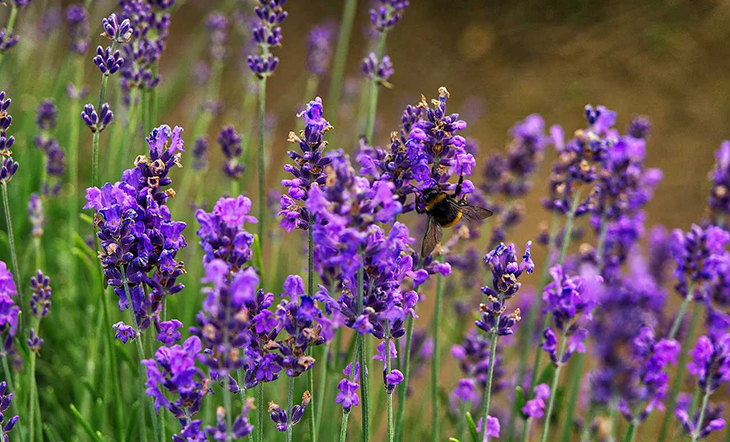
2. Lavender
Lavender is loved for its calming scent and beautiful purple flowers.
Its fragrance comes from natural compounds including:
-
Linalool
-
Linalyl acetate
Some research suggests that lavender oil may have mosquito-repelling properties.
In addition to its pleasant aroma, lavender attracts beneficial pollinators such as bees and butterflies.
Other Benefits
Lavender can be used for:
-
Dried flower arrangements
-
Sachets
-
Tea (certain culinary varieties)
-
Aromatherapy
-
Garden borders
Growing Tips
Lavender grows best in:
-
Full sun
-
Well-drained soil
-
Moderate watering
Too much moisture can damage the roots.
3. Basil
Basil isn't only for pasta and salads.
This fragrant herb contains volatile oils that may discourage mosquitoes and certain other insects.
Common varieties include:
-
Sweet basil
-
Thai basil
-
Lemon basil
-
Holy basil
Besides adding aroma to your garden, basil provides fresh leaves for cooking throughout the growing season.
Growing Tips
Basil prefers:
-
Warm weather
-
Plenty of sunlight
-
Moist but well-drained soil
Regular harvesting encourages bushier growth.
4. Rosemary
Rosemary is another culinary herb with a strong woody fragrance.
It contains aromatic compounds including:
-
Cineole
-
Camphor
-
Pinene
Some studies suggest rosemary essential oil may help repel mosquitoes under certain conditions.
Traditionally, people have also tossed rosemary onto outdoor grills or campfires, where the fragrant smoke may contribute to temporary insect deterrence.
Growing Tips
Rosemary enjoys:
-
Full sun
-
Sandy or well-drained soil
-
Moderate watering
Once established, it tolerates dry conditions quite well.
5. Mint
Mint grows vigorously and releases a refreshing scent when its leaves are touched.
Popular varieties include:
-
Peppermint
-
Spearmint
-
Apple mint
-
Chocolate mint
Mint contains menthol, a compound responsible for its cooling sensation and characteristic aroma.
Some studies have investigated peppermint oil for its insect-repelling potential.
A Word of Caution
Mint spreads aggressively.
Many gardeners prefer growing it in containers to prevent it from taking over flower beds.
6. Lemongrass
Lemongrass closely resembles citronella grass and shares several aromatic compounds.
Its fresh citrus scent makes it a popular ingredient in:
-
Soups
-
Stir-fries
-
Herbal teas
-
Asian cuisine
Like citronella, lemongrass contains natural oils that have demonstrated mosquito-repelling properties in research involving concentrated extracts.
Growing Tips
Lemongrass thrives in:
-
Warm climates
-
Rich soil
-
Plenty of sunlight
-
Regular watering
Harvesting the stalks also provides a flavorful addition to many recipes.
7. Marigolds
Marigolds brighten gardens with vibrant yellow, orange, and gold blossoms.
These cheerful flowers contain aromatic compounds, including pyrethrins in certain species, which are related to substances used in some insect-control products.
While planting marigolds alone won't eliminate mosquitoes, they may help discourage certain garden pests and add valuable color to landscapes.
Additional Benefits
Marigolds attract pollinators while also helping create attractive borders around vegetable gardens.
They are relatively easy to grow and bloom for much of the season.
8. Catnip
Catnip is famous for its effect on cats, but researchers have also studied one of its active compounds:
Nepetalactone.
Laboratory studies suggest nepetalactone can repel certain mosquito species under experimental conditions.
That doesn't mean planting catnip guarantees mosquito-free evenings.
But it's an interesting example of how plants naturally produce chemicals that affect insects.
Growing Tips
Catnip prefers:
-
Full sun
-
Moderate watering
-
Well-drained soil
Be prepared for neighborhood cats to become frequent visitors!
9. Lemon Balm
Lemon balm belongs to the mint family and offers a fresh citrus fragrance.
It contains essential oils rich in compounds such as:
-
Citral
-
Citronellal
-
Geraniol
Traditionally, lemon balm has been used in herbal teas and gardens for its pleasant aroma.
Like other aromatic herbs, crushing the leaves releases more of the fragrant oils.
Growing Tips
Lemon balm grows well in:
-
Partial to full sun
-
Fertile soil
-
Moderate watering
It can also spread easily, so containers may be helpful.
10. Scented Geranium
Certain scented geraniums, particularly rose-scented geraniums, are popular ornamental plants.
Some varieties produce leaves with fragrances resembling:
-
Lemon
-
Rose
-
Mint
-
Citrus
These plants contain aromatic compounds that have been investigated for potential insect-repelling effects.
They're also attractive additions to balconies, patios, and window boxes.
Growing Tips
Scented geraniums enjoy:
-
Bright sunlight
-
Well-drained soil
-
Moderate watering
Allow the soil to dry slightly between waterings.
How Do These Plants Affect Mosquitoes?
Plants naturally produce volatile compounds for many reasons.
These chemicals may:
-
Deter insects
-
Attract pollinators
-
Protect against herbivores
-
Reduce microbial damage
When humans detect these aromas, we experience them as pleasant scents.
Mosquitoes, however, may respond differently to certain compounds.
Some plant oils can interfere with the mosquito's ability to locate hosts by scent.
However, the concentration released by an intact garden plant is usually much lower than the concentration found in formulated repellents.
Why Crushing the Leaves Makes a Difference
Have you ever rubbed a basil or mint leaf between your fingers?
The aroma suddenly becomes much stronger.
That's because crushing the leaf releases essential oils stored within the plant's tissues.
This stronger release of volatile compounds is one reason many laboratory studies focus on extracted essential oils rather than intact plants.
Plants vs. Essential Oils
This distinction is important.
Growing a rosemary bush is not the same as applying rosemary essential oil.
Essential oils are highly concentrated extracts containing much larger amounts of aromatic compounds.
Even then, effectiveness varies depending on:
-
Concentration
-
Formulation
-
Mosquito species
-
Temperature
-
Wind
-
Humidity
Natural oils generally provide shorter-lasting protection than many commercial insect repellents.
Can These Plants Replace Mosquito Repellent?
For most situations, no.
If you're spending time outdoors in an area where mosquitoes carry diseases such as:
-
Malaria
-
Dengue
-
Zika
-
Chikungunya
-
West Nile virus
don't rely solely on garden plants.
Instead, use proven protective measures.
The Most Effective Ways to Reduce Mosquitoes
Experts generally recommend combining several strategies.
Remove Standing Water
Mosquitoes lay eggs in standing water.
Check regularly for water collecting in:
-
Flower pots
-
Bird baths
-
Buckets
-
Tires
-
Gutters
-
Plant saucers
-
Children's toys
Even small amounts of water can become breeding sites.
Use Window and Door Screens
Well-maintained screens help keep mosquitoes out of your home.
Repair tears promptly.
Wear Protective Clothing
Long sleeves and long pants reduce exposed skin.
Light-colored clothing may also be less attractive to some mosquito species.
Use Proven Insect Repellents
Products containing ingredients such as:
-
DEET
-
Picaridin
-
IR3535
-
Oil of lemon eucalyptus (when used according to instructions)
have demonstrated effectiveness against mosquitoes.
Choose products appropriate for your age and follow label directions carefully.
Use Fans Outdoors
Mosquitoes are relatively weak fliers.
A simple outdoor fan can make it more difficult for them to reach you while you're sitting on a patio.
Can Indoor Plants Keep Mosquitoes Away?
Indoor aromatic plants may contribute pleasant scents to your home.
However, there is limited evidence that simply placing several potted herbs inside a room provides meaningful protection against mosquitoes.
Indoor mosquito control is better achieved through:
-
Window screens
-
Eliminating breeding sites
-
Proper repellents when needed
Do Mosquitoes Prefer Certain People?
You may notice that mosquitoes seem to bite one person more often than another.
Research suggests several factors may influence mosquito attraction, including:
-
Carbon dioxide production
-
Body heat
-
Skin bacteria
-
Body odor
-
Pregnancy
-
Clothing color
It's not simply about having "sweet blood," as popular myths often claim.
What About Mosquito-Repelling Candles?
Citronella candles may help reduce mosquito activity in the immediate area under some conditions.
However, their effectiveness can be reduced by:
-
Wind
-
Large outdoor spaces
-
Distance from the candle
They should be viewed as one part of an overall mosquito-control strategy rather than a complete solution.
Are Essential Oils Safe?
Essential oils are highly concentrated.
Natural does not automatically mean harmless.
Some essential oils may cause:
-
Skin irritation
-
Allergic reactions
-
Eye irritation
Always dilute products appropriately if intended for skin use and follow manufacturer instructions.
Certain oils should be kept away from children and pets.
Never ingest essential oils unless specifically directed by a qualified healthcare professional.
Pet Safety Matters
Some aromatic plants and essential oils can be harmful to pets.
For example:
-
Cats may be particularly sensitive to certain essential oils.
-
Dogs can also experience adverse effects from some plant products.
If you have pets that like to chew plants, check whether a particular species is considered safe before bringing it into your home or garden.
Choosing the Right Plants for Your Garden
When selecting mosquito-repelling plants, consider more than just fragrance.
Think about:
-
Your local climate
-
Sunlight availability
-
Soil type
-
Water requirements
-
Maintenance needs
-
Whether the plant is invasive in your region
A healthy plant that thrives in your environment is more enjoyable than one that constantly struggles.
Create a Fragrant Garden
Instead of planting only one species, consider combining several aromatic plants.
For example:
-
Lavender along pathways
-
Basil near outdoor dining areas
-
Rosemary in raised beds
-
Lemongrass in containers
-
Marigolds around vegetable gardens
This creates a colorful, fragrant landscape while supporting pollinators and culinary gardening.
Can You Grow These Plants on a Balcony?
Absolutely.
Many of these plants perform well in containers.
Popular balcony choices include:
-
Basil
-
Mint
-
Lavender
-
Rosemary
-
Lemon balm
-
Scented geraniums
Container gardening also allows you to move plants as needed.
Do Mosquitoes Disappear in Winter?
In many regions, mosquito activity declines dramatically during colder months.
Some species survive as:
-
Eggs
-
Larvae
-
Adults in sheltered locations
Activity typically increases again when temperatures rise.
The Benefits Go Beyond Mosquitoes
Even if these plants only modestly discourage mosquitoes, they offer many additional advantages.
Many provide:
-
Pleasant fragrance
-
Fresh culinary herbs
-
Attractive flowers
-
Pollinator support
-
Beautiful landscaping
-
Herbs for teas and cooking
In other words, they're valuable garden additions regardless of their mosquito-repelling potential.
10 Plants to Remember
Here's a quick summary:
1. Citronella Grass
Known for aromatic oils commonly used in mosquito repellents.
2. Lavender
A fragrant flowering plant that may help discourage mosquitoes while attracting pollinators.
3. Basil
A culinary herb with aromatic oils and fresh leaves for cooking.
4. Rosemary
A hardy herb with a strong scent and many culinary uses.
5. Mint
Refreshing fragrance and vigorous growth, best kept in containers.
6. Lemongrass
A citrus-scented herb containing compounds related to citronella.
7. Marigolds
Bright flowers that may help discourage some garden pests.
8. Catnip
Contains nepetalactone, a compound studied for insect-repelling properties.
9. Lemon Balm
A lemon-scented herb from the mint family.
10. Scented Geranium
Beautiful ornamental plants with fragrant leaves.
The Bottom Line
Many aromatic plants contain natural compounds that have shown mosquito-repelling properties in laboratory studies or in products made from their essential oils.
However, simply placing a few potted plants around your home is unlikely to provide complete protection against mosquitoes.
Think of these plants as helpful additions not replacements for proven mosquito-control methods.
For the best protection, combine them with practical habits such as removing standing water, using window screens, wearing protective clothing, and applying effective insect repellents when appropriate.
Final Thoughts
A fragrant garden offers far more than just beautiful scents.
Whether you choose lavender, basil, rosemary, lemongrass, citronella, mint, lemon balm, marigolds, catnip, or scented geraniums, you'll enjoy attractive plants that can enhance your outdoor space while potentially making it a little less inviting to mosquitoes.
No plant can promise a completely mosquito-free yard, but combining these aromatic favorites with good mosquito-control practices can help create a more comfortable environment for relaxing, gardening, and spending time outdoors.
In the end, these plants aren't just good for keeping mosquitoes guessing - they're also a wonderful way to bring beauty, fragrance, and fresh herbs into your everyday life.