Baking soda is one of those simple household products that most people have sitting in their kitchen without giving it much thought. It is inexpensive, easy to find, and usually associated with baking cakes, cookies, and bread. But beyond the kitchen, this humble white powder can be surprisingly useful in everyday life.
For generations, people have used baking soda as a simple household helper for cleaning, deodorizing, and freshening up different areas of the home. Its versatility makes it especially appealing for anyone looking for affordable alternatives to specialized household products.
Of course, baking soda is not a magical solution for every problem, and it should always be used appropriately. Some surfaces and materials can be scratched or damaged by abrasive powders, while certain cleaning combinations should be avoided. But when used correctly, baking soda can become one of the most useful items in your home.
Here are 10 clever ways baking soda can make everyday life a little easier.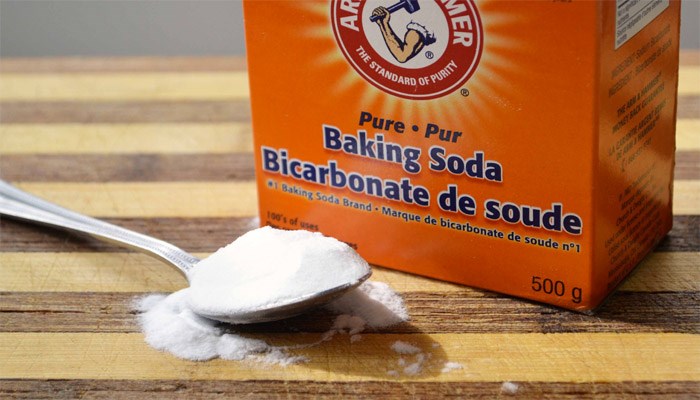
1. Freshen Up Your Refrigerator
One of the most familiar uses for baking soda is helping control unpleasant odors in the refrigerator.
Refrigerators can develop strange smells over time, especially when strong-smelling foods are stored inside or forgotten in the back. Even after the original source of an odor has been removed, lingering smells can remain.
A simple open container of baking soda placed inside the refrigerator can help absorb some unwanted odors. Rather than covering the smell with a strong fragrance, baking soda works as a basic odor-control option.
For best results, replace the baking soda periodically and make sure your refrigerator is cleaned regularly. If there is a particularly strong smell, the first step should always be finding and removing the source.
This small habit can help keep your refrigerator smelling fresher without requiring expensive deodorizing products.
2. Give Your Sink a Simple Refresh
Kitchen sinks deal with food particles, grease, and moisture every day, so they can quickly develop unpleasant odors.
Baking soda can be useful as part of a basic sink-cleaning routine. Sprinkle a small amount over a damp sink surface, gently scrub with a soft sponge, and rinse thoroughly with water.
The mild abrasive texture can help loosen everyday residue while also helping with odors.
However, it is important to consider the material of your sink before scrubbing. Delicate or easily scratched finishes may require a gentler cleaning method, so always check the manufacturer's recommendations for your particular surface.
The result is a simple cleaning routine using something you may already have in your kitchen cabinet.
3. Deodorize Shoes
Few things are more frustrating than opening your closet and noticing that your shoes have developed an unpleasant odor.
Shoes naturally collect sweat and moisture, creating an environment where odors can build up. Baking soda can provide a simple way to freshen them between washes or cleanings.
Place a small amount of baking soda inside the shoes and leave it for several hours or overnight. Before wearing them again, shake or vacuum out the powder thoroughly.
This can be particularly convenient for sneakers and other washable footwear.
The key is not to treat baking soda as a replacement for cleaning. Shoes should still be washed or properly cleaned when necessary, and they should be allowed to dry completely before being worn again.
4. Freshen Carpets and Rugs
Carpets can absorb odors from food, pets, smoke, moisture, and everyday activity. Over time, even a clean-looking carpet can begin to smell less than fresh.
Baking soda can be used as a simple deodorizing treatment for some carpets and rugs.
Lightly sprinkle baking soda over the surface, allow it to sit for a while, and then vacuum it thoroughly. The powder can help reduce unwanted odors trapped in the fibers.
Before treating an entire carpet, however, test a small, hidden area first. Some materials and dyes may react differently to cleaning products.
Also, make sure the powder is thoroughly removed with a suitable vacuum cleaner. Avoid using excessive amounts, especially on delicate rugs or materials for which the manufacturer recommends specialized cleaning.
Sometimes, a simple freshening routine can make a room feel noticeably cleaner.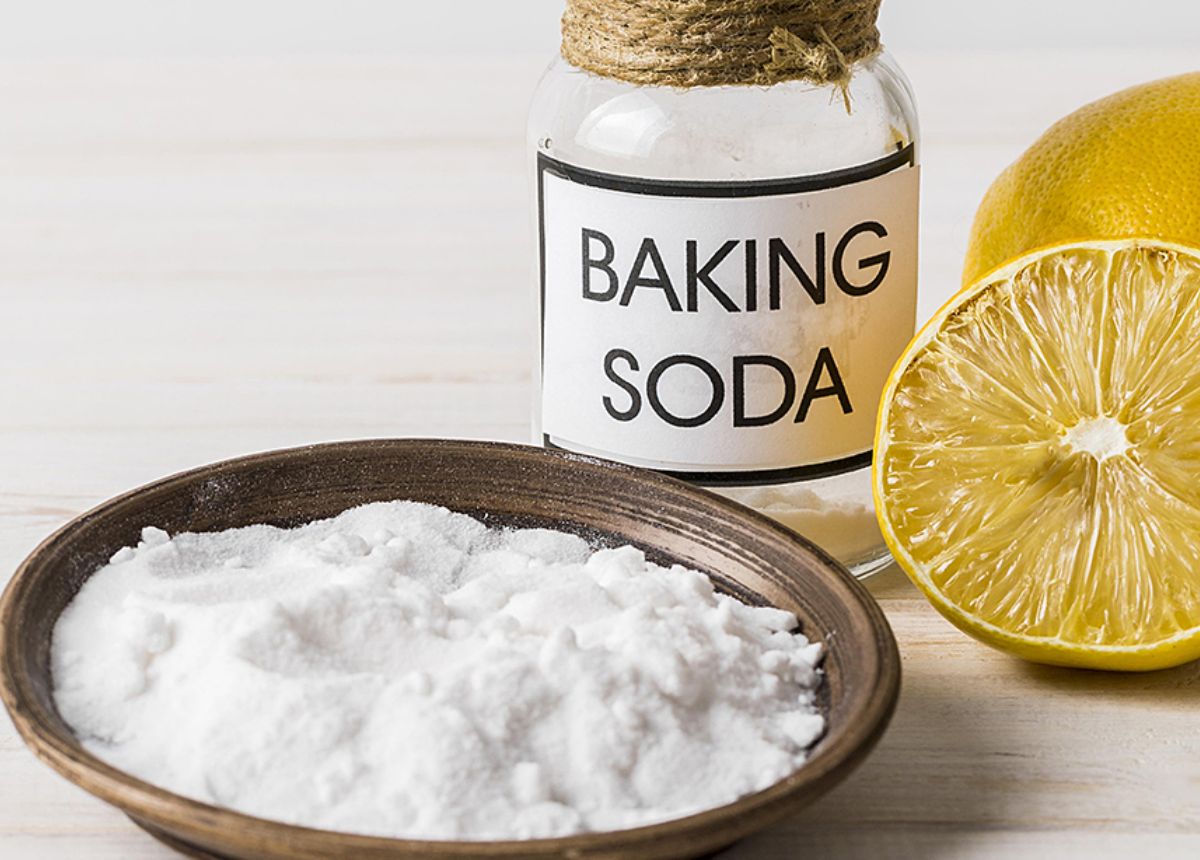
5. Help Clean Stubborn Kitchen Residue
Anyone who cooks regularly knows that certain kitchen messes can be surprisingly difficult to remove.
Dried food, grease, and residue can stick stubbornly to pots, pans, stovetops, and other kitchen surfaces. Baking soda can help loosen some of these messes because of its mildly abrasive nature.
For suitable cookware and surfaces, make a paste using baking soda and a small amount of water. Apply it to the residue, allow it to sit briefly, and then gently scrub.
This method can be useful when ordinary wiping is not enough.
However, cookware manufacturers often provide specific cleaning instructions, particularly for nonstick, polished, coated, or delicate surfaces. Avoid aggressive scrubbing and do not assume that every material is suitable for baking soda.
Used thoughtfully, though, baking soda can be a convenient addition to your kitchen-cleaning routine.
6. Neutralize Unpleasant Trash Can Odors
Trash cans are another common source of unwanted household smells.
Even when trash is removed regularly, food scraps and moisture can leave behind lingering odors. A small amount of baking soda at the bottom of a clean, dry trash can may help reduce some of these smells.
The important part is keeping the trash can itself clean. Baking soda cannot compensate for a dirty container filled with old residue.
After emptying the trash, clean and dry the bin before adding a small amount of baking soda. You can also place a little baking soda in a small breathable container rather than scattering a large quantity directly into the bin.
This simple trick can be especially helpful in kitchens, where food waste tends to create stronger odors.
7. Make Your Bathroom Feel Fresher
Bathrooms can accumulate unpleasant odors because of moisture, drains, trash, and limited ventilation.
Baking soda can be incorporated into a basic bathroom-cleaning routine. It can help freshen certain surfaces and reduce odors when used appropriately.
For example, a small open container of baking soda can be placed in a bathroom as a simple odor absorber. It can also be used to gently clean some washable surfaces, provided the material is compatible with it.
But there is an important distinction between deodorizing and disinfecting.
Baking soda should not be considered a substitute for a proper disinfectant when disinfection is required. If you're dealing with bacteria, viruses, mold, or other sanitation concerns, use an appropriate product according to its label.
For ordinary freshness, however, baking soda can be a useful low-cost household helper.
8. Freshen Your Laundry Routine
Laundry can sometimes develop a musty smell, particularly when clothes remain damp for too long or when a washing machine itself needs cleaning.
Baking soda is sometimes used as a laundry additive because it can help with odors and can make water more alkaline.
A small amount added to a suitable wash may help freshen certain loads, but it is important to follow the care instructions on your clothing and washing machine.
For particularly delicate fabrics, specialized detergents, or garments with specific care requirements, follow the manufacturer's instructions instead.
Another important habit is removing clothes from the washing machine promptly after the cycle ends and allowing them to dry completely.
In other words, baking soda can support good laundry habits, but it cannot replace them.
9. Help Freshen Cutting Boards
Cutting boards come into contact with everything from vegetables and fruit to garlic, onions, and other strongly flavored foods.
Even after washing, certain smells can linger.
For suitable cutting boards, baking soda can be used as part of an occasional deodorizing routine. Sprinkle a small amount over the damp surface, gently scrub, and rinse thoroughly.
However, cutting boards should always be cleaned according to food-safety recommendations. For boards used with raw meat, poultry, or seafood, proper washing and sanitizing practices are especially important.
Baking soda can help with odors, but it should not be treated as a complete food-safety solution.
10. Create a More Pleasant-Smelling Home
Perhaps the most versatile use of baking soda is simply helping control odors around the house.
Instead of masking unpleasant smells with artificial fragrances, baking soda can be placed in small containers in areas where odors tend to develop.
You might place a container in a closet, near a musty area, or in another suitable location where odor control is needed.
The simplicity is part of the appeal. You do not need complicated equipment or expensive products. A basic household staple can sometimes make a noticeable difference.
Of course, if an area has a persistent musty or unpleasant smell, it is important to investigate the underlying cause. Odors can sometimes indicate moisture problems, spoiled food, poor ventilation, or other issues that need to be addressed directly.:max_bytes(150000):strip_icc()/GettyImages-2184608924-47430248fcd14b58ae3e70e9cc5ae4ae.jpg)
A Few Baking Soda Mistakes to Avoid
Although baking soda is generally considered a versatile household product, more is not always better.
One common mistake is assuming that baking soda is safe for every surface. Its mild abrasiveness means it can potentially dull or scratch some delicate finishes. Always test an inconspicuous area first when you're unsure.
Another mistake is mixing household cleaning products without checking whether the combination is safe. In particular, avoid mixing cleaning products indiscriminately. Some combinations can produce dangerous reactions or harmful fumes.
It is also important to remember that deodorizing is not the same as disinfecting. Baking soda may help control odors, but it should not be relied upon when a surface needs genuine disinfection.
Finally, don't overlook the source of the problem. If your refrigerator smells bad, check for spoiled food. If your bathroom smells musty, look for moisture. If your shoes smell unpleasant, make sure they are cleaned and dried properly.
Baking soda works best as part of good household habits - not as a substitute for them.
Why This Simple Powder Remains So Useful
What makes baking soda so appealing is its simplicity.
You don't need a cabinet full of specialized products to handle every small household problem. Sometimes, a basic ingredient already sitting in your pantry can perform several useful jobs.
From freshening refrigerators and shoes to helping with everyday cleaning and odors, baking soda can be an inexpensive and practical addition to your household routine.
Its greatest advantage may not be that it solves every problem. Instead, it is that it can serve several different purposes with very little effort.
And that is what makes this ordinary kitchen staple so surprisingly useful.
Final Thoughts
Baking soda may look like nothing more than a simple white powder, but its usefulness extends far beyond baking.
Used carefully, it can help freshen your refrigerator, deodorize shoes, refresh carpets, clean certain kitchen surfaces, reduce trash-can odors, and make different areas of your home feel cleaner and fresher.
The important thing is to use it wisely. Check the material you're cleaning, follow manufacturer instructions when appropriate, and remember that baking soda is primarily a deodorizing and cleaning aid—not a universal disinfectant.
Sometimes, making everyday life easier doesn't require buying something new. It can be as simple as discovering new uses for something you already have at home.
And when it comes to versatility, few ordinary household staples are quite as useful as baking soda.