
What Can Cause Pain on the Right Side of Your Body? 10 Possible Explanations
Pain on the Right Side of Your Body: Common Causes and Warning Signs
Health 06/08/2026 23:23
Eggs are one of the most nutritious and versatile foods you can eat. They provide high-quality protein, healthy fats, vitamins, minerals, and important nutrients such as choline, vitamin B12, selenium, and lutein. Whether scrambled, boiled, poached, or baked, eggs can be part of a healthy diet for people of all ages.
However, you've probably heard claims that certain foods should never be eaten with eggs. Some of these ideas come from traditional food beliefs, while others are based on misunderstandings or outdated nutrition advice. In reality, there are very few foods that are truly "unsafe" to eat with eggs for healthy individuals.
That said, some combinations may not be ideal for everyone. Certain pairings can affect digestion, significantly increase calories or sodium, or simply reduce the overall nutritional quality of a meal. Others may be worth reconsidering if you have specific health conditions such as high cholesterol, acid reflux, food allergies, or digestive disorders.
Here are ten common foods you may want to think twice about pairing with eggs—and the reasons behind them.
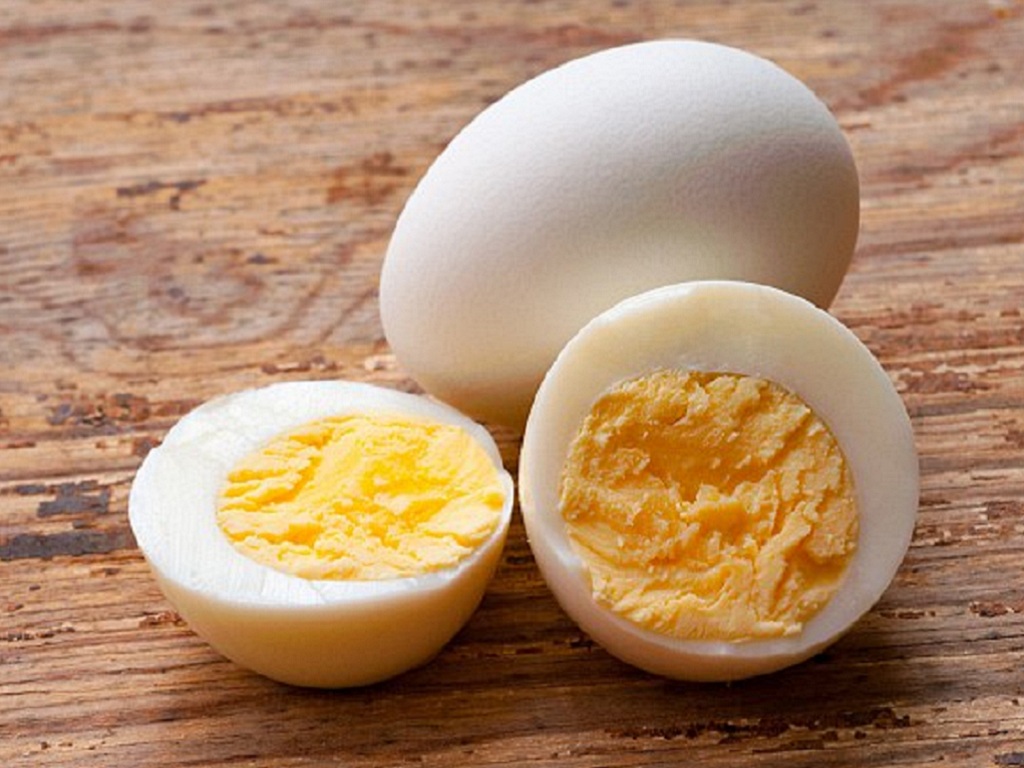
Examples include:
Bacon
Sausage
Ham
Salami
Pepperoni
Eggs and processed meats are a classic breakfast combination, but it's worth considering how often you eat them together.
Processed meats are often high in:
Sodium
Saturated fat
Preservatives
Regularly eating large amounts of processed meat has been associated with an increased risk of several chronic health conditions.
Pair eggs with grilled chicken, smoked salmon, beans, or sautéed vegetables instead.
Many breakfasts combine eggs with:
Doughnuts
Sweet rolls
Muffins
Danish pastries
While delicious, these foods are typically rich in refined flour and added sugars.
The protein in eggs may help increase fullness, but pairing them with large sugary pastries can create a meal high in calories and low in fiber.
Choose whole-grain toast or oatmeal alongside your eggs.
Serving eggs with:
French fries
Fried chicken
Hash browns cooked in excessive oil
can significantly increase the total fat and calorie content of a meal.
Occasional indulgence is perfectly reasonable, but making this combination a daily habit may not support long-term health goals.
Roasted potatoes or baked sweet potatoes provide a more nutrient-dense alternative.
White bread digests quickly and provides relatively little fiber.
Pairing eggs with refined grains may leave some people feeling hungry sooner compared with whole grains.
Whole-grain bread offers:
More fiber
More vitamins
Longer-lasting energy
Cheese and eggs can certainly fit into a healthy diet.
However, very large amounts of cheese may add:
Saturated fat
Sodium
Calories
This is especially important for individuals following dietary advice to limit saturated fat or sodium.
Use moderate portions and add vegetables for extra flavor.
Drinking soda with breakfast provides large amounts of added sugar without meaningful nutrition.
Replacing sugary beverages with:
Water
Unsweetened tea
Coffee (without excessive sugar)
Milk
creates a more balanced meal.
Combining eggs with alcohol is not dangerous in itself, but heavy drinking may interfere with nutrient absorption and overall health.
Alcohol can also contribute to dehydration and poor food choices.
Moderation remains key.
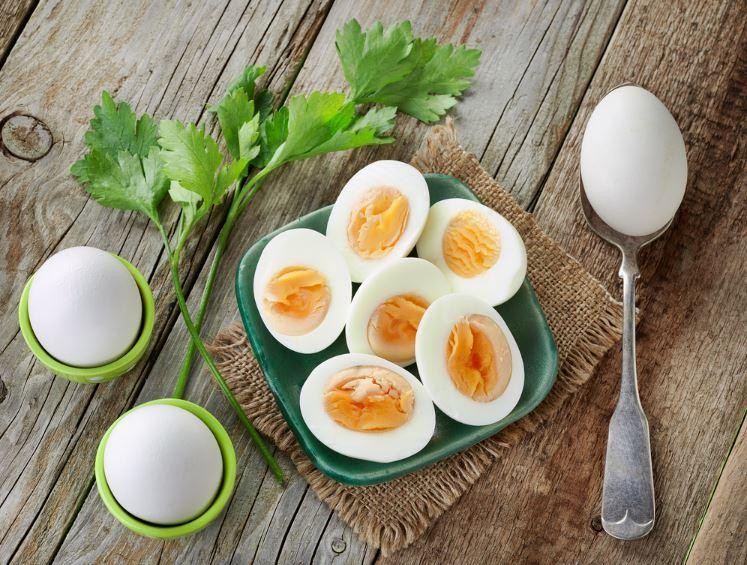
Eggs naturally contain flavor and require very little additional salt.
Adding excessive salt to eggs may increase sodium intake beyond recommended levels.
Too much sodium over time may contribute to elevated blood pressure in some individuals.
Enhance flavor with:
Black pepper
Paprika
Garlic
Fresh herbs
Chives
Some people eat eggs alongside:
Potato chips
Cheese puffs
Packaged crackers
These foods often contribute:
Refined carbohydrates
Sodium
Unhealthy fats
without adding many beneficial nutrients.
Pair eggs with fresh fruit, vegetables, or nuts instead.
Butter can certainly be enjoyed in moderation.
However, cooking eggs in excessive butter or topping them with large amounts may substantially increase saturated fat intake.
Cook eggs using:
Olive oil
Avocado oil
Non-stick cookware with minimal oil
Instead of focusing only on foods to limit, it's helpful to know which foods make excellent partners for eggs.
Spinach, kale, arugula, and bok choy provide:
Vitamin C
Vitamin K
Folate
Fiber
These vegetables create nutrient-dense meals.
Tomatoes contain lycopene, vitamin C, and antioxidants.
They add freshness and vibrant color to egg dishes.
Avocados provide:
Healthy monounsaturated fats
Fiber
Potassium
Healthy fats also help increase satiety.
Mushrooms offer:
B vitamins
Selenium
Potassium
Their savory flavor pairs beautifully with eggs.
Whole-grain toast, quinoa, or oats provide:
Fiber
Complex carbohydrates
Long-lasting energy
Fresh berries, oranges, kiwi, and apples balance the richness of eggs while contributing vitamins and fiber.
There is no strong scientific evidence supporting this popular myth.
Many cuisines around the world successfully combine eggs and seafood.
Eggs and milk are commonly combined in foods such as custards, pancakes, omelets, quiches, and baked goods.
For most healthy people, this combination is perfectly safe.
Current dietary guidelines recognize that dietary cholesterol affects people differently.
For many healthy individuals, saturated fat intake has a greater influence on blood cholesterol than dietary cholesterol alone.
People with certain medical conditions should follow individualized advice from their healthcare provider.
Eggshell color depends primarily on the breed of the hen.
Brown and white eggs provide very similar nutrition.
A healthy breakfast built around eggs might include:
Two eggs
Whole-grain toast
Sautéed spinach
Tomato slices
Fresh berries
Water or unsweetened tea
This combination provides:
Protein
Healthy fats
Fiber
Vitamins
Minerals
while supporting fullness throughout the morning.
Although eggs are healthy for most people, certain individuals may need personalized dietary guidance.
This includes people with:
Egg allergies
Certain kidney conditions
Specific cardiovascular diseases
Medical advice to restrict saturated fat or sodium
If you have dietary restrictions, consult your healthcare provider or a registered dietitian.

Eggs are one of the most nutrient-dense foods available, providing high-quality protein, healthy fats, and a wide range of essential vitamins and minerals. Contrary to many popular myths, there are very few foods that are truly incompatible with eggs. Instead of worrying about "forbidden" food combinations, it's more helpful to focus on building balanced meals.
Pairing eggs with vegetables, whole grains, fresh fruit, and healthy fats can create satisfying, nutrient-rich breakfasts and meals that support overall health. On the other hand, regularly combining eggs with large amounts of processed meats, refined carbohydrates, sugary drinks, or high-sodium foods may reduce the overall nutritional quality of your diet—not because of the eggs themselves, but because of the broader eating pattern.
Ultimately, the healthiest approach is variety, moderation, and balance. Enjoy eggs as part of a diverse diet rich in minimally processed foods, and choose pairings that complement both their flavor and their impressive nutritional value.
Pain on the Right Side of Your Body: Common Causes and Warning Signs

If You Wake Up With Drool on Your Pillow, Read This Before Brushing It Off 😳
Could a Sudden Severe Headache Signal a Brain Aneurysm? Here's What Experts Say

Think your kettle is safe? Number 2 shocks everyone

A Traditional Natural Ingredient That May Promote Relaxation and Digestive Comfort

When a Family Member Passes Away, Many People Avoid Wearing These 3 Colors to a Funeral
Your Body May Be Sending Magnesium Warning Signs — Here Are 32 You Should Know
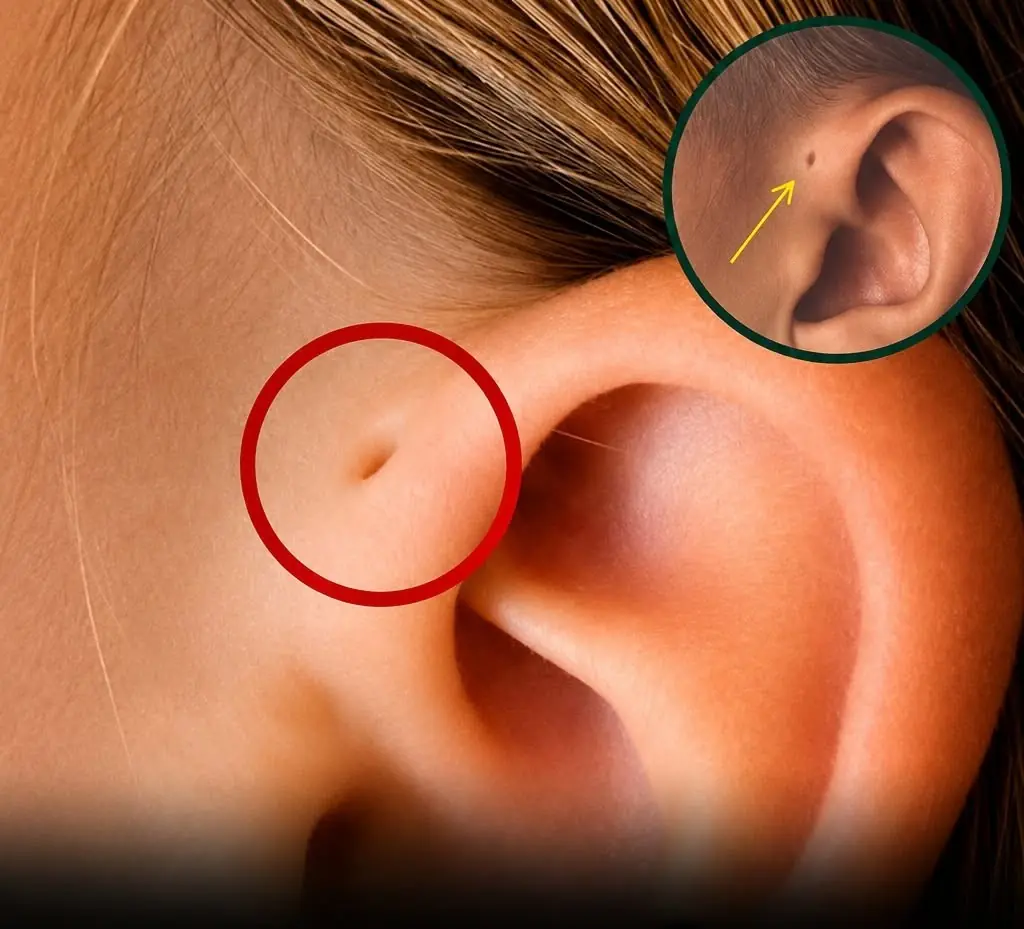
Most people think it's an injury—but doctors say it's something completely different.

Couple Gets Liver C.anc.er Together. Doctor Finds the Cause Inside Their Fridge
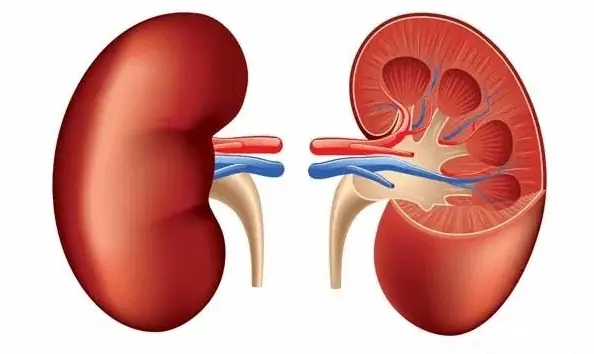
10 Early Signs Your Kidneys May Need Help

Waking up with dry mouth? Here’s what your body might be telling you

Your Nails Aren’t Just About Appearance — They May Reveal Hidden Health Clues 😱

He Ate Garlic Every Day For 5 Months Hoping To Heal His Kid.neys The Results Shocked Doctors
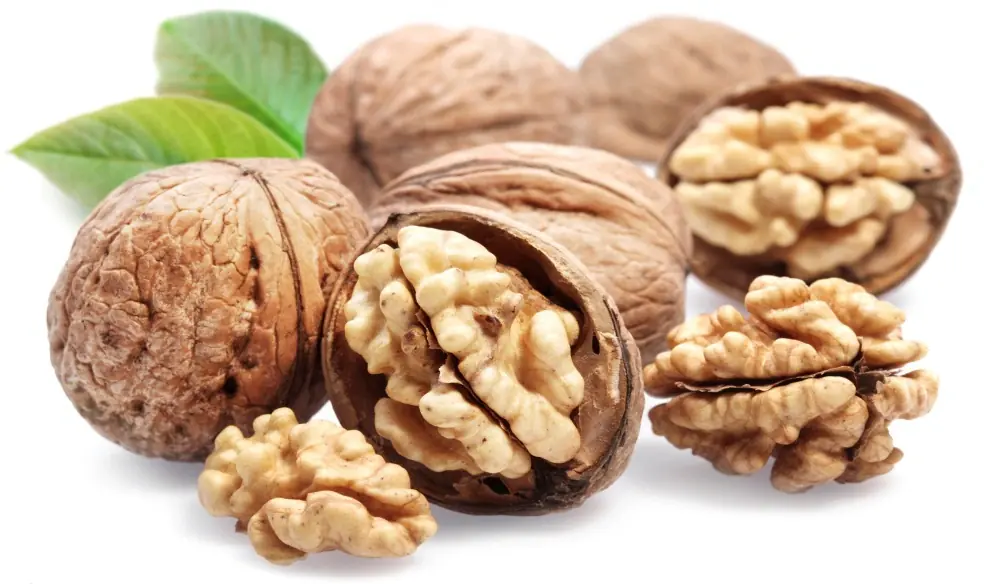
Everything You Need to Know About Walnuts and Their Health Benefits

Why Do So Many People Put Plastic Bottles in the Washer? The Answer May Surprise You

Bulging Veins …When They’re Harmless and When They Could Signal a Problem

The hidden mistake many people make when handling eggs at home
This One Superfood Could Tackle Major Health Issues—Here’s What You Need To Know
The Truth About Eating Peanuts Daily: Nutrition, Benefits, and Precautions
Pain on the Right Side of Your Body: Common Causes and Warning Signs
If You Wake Up With Drool on Your Pillow, Read This Before Brushing It Off 😳
Could a Sudden Severe Headache Signal a Brain Aneurysm? Here's What Experts Say
Think your kettle is safe? Number 2 shocks everyone
A Traditional Natural Ingredient That May Promote Relaxation and Digestive Comfort
When a Family Member Passes Away, Many People Avoid Wearing These 3 Colors to a Funeral
Your Body May Be Sending Magnesium Warning Signs — Here Are 32 You Should Know
Most people think it's an injury—but doctors say it's something completely different.
Couple Gets Liver C.anc.er Together. Doctor Finds the Cause Inside Their Fridge
10 Early Signs Your Kidneys May Need Help
Waking up with dry mouth? Here’s what your body might be telling you
Your Nails Aren’t Just About Appearance — They May Reveal Hidden Health Clues 😱
He Ate Garlic Every Day For 5 Months Hoping To Heal His Kid.neys The Results Shocked Doctors
Everything You Need to Know About Walnuts and Their Health Benefits
Why Do So Many People Put Plastic Bottles in the Washer? The Answer May Surprise You
Bulging Veins …When They’re Harmless and When They Could Signal a Problem
The hidden mistake many people make when handling eggs at home
This One Superfood Could Tackle Major Health Issues—Here’s What You Need To Know
The Truth About Eating Peanuts Daily: Nutrition, Benefits, and Precautions