Blood Cancer May Show These 10 Subtle Signs Before Diagnosis 😨
Blood cancer, which includes conditions such as leukemia, lymphoma, and myeloma, can sometimes develop quietly in its early stages. The symptoms may be mild, vague, or easily mistaken for common health issues like fatigue, infections, or stress. However, recognizing potential warning signs early can be important for timely medical evaluation and diagnosis.
Here are 10 subtle signs that may appear before a blood cancer diagnosis.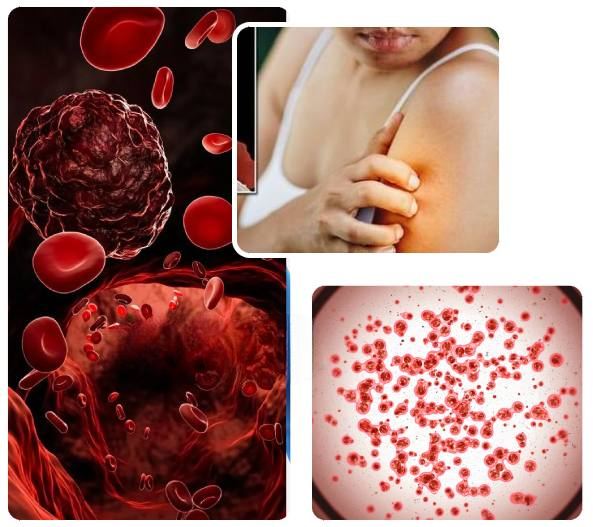
1. Persistent fatigue
Feeling extremely tired even after adequate rest can be an early sign, especially when it doesn’t improve over time.
2. Frequent infections
A weakened immune system may lead to infections that occur more often or take longer to recover.
3. Unexplained bruising
Bruising easily or noticing bruises without clear injury may be linked to changes in blood cells or platelets.
4. Unusual bleeding
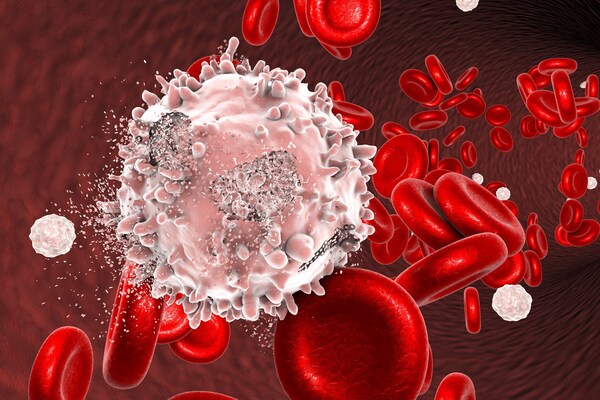
This may include nosebleeds, bleeding gums, or prolonged bleeding from minor cuts.
5. Fever without clear cause
Recurrent or persistent low-grade fevers may sometimes appear in early stages.
6. Night sweats
Excessive sweating during sleep, often soaking clothes or sheets, can be a warning symptom.
7. Unexplained weight loss
Losing weight without changes in diet or exercise should always be checked by a doctor.
8. Swollen lymph nodes
Painless swelling in areas such as the neck, armpits, or groin may be associated with lymphoma.
9. Bone or joint pain
Some people may experience persistent aches or discomfort in bones or joints.
10. Pale skin or shortness of breath
Low red blood cell levels (anemia) can lead to paleness, dizziness, or difficulty breathing during simple activities.
When to seek medical advice

Most of these symptoms can be caused by common and less serious conditions. However, you should consult a healthcare professional if:
- Symptoms persist for weeks without improvement
- Multiple symptoms occur together
- You notice a gradual worsening of your overall health
Final note
Blood cancer symptoms are often non-specific in the early stages, which is why they can be easily overlooked. Paying attention to persistent changes in your body and seeking timely medical evaluation can help ensure early detection and better outcomes.