However, recurrent infections do not automatically indicate cancer. They are common and may be associated with factors such as incomplete bladder emptying, urinary stones, anatomical differences, or other medical conditions.
A particularly important situation occurs when someone is repeatedly treated for urinary infections but continues to experience unexplained blood in the urine.
In such cases, further investigation may be needed rather than assuming that every episode is another infection.
Depending on the clinical findings, a healthcare professional may recommend:
-
Urine culture to identify bacteria.
-
Repeat urine testing after treatment.
-
Imaging of the urinary tract.
-
Cystoscopy to examine the bladder.
-
Additional tests if an underlying abnormality is suspected.
Persistent urinary symptoms deserve a clear explanation.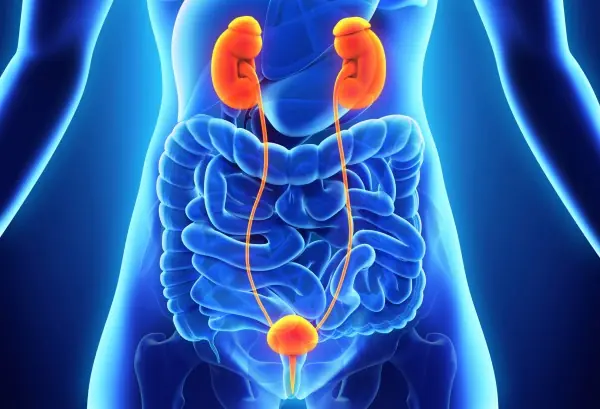
9. Lower Abdominal, Pelvic, or Back Pain
Pain in the lower abdomen, pelvis, or back can occur in people with bladder cancer, although it is not usually the most characteristic early symptom.
The location and intensity of discomfort vary.
Some individuals experience a dull pressure in the lower abdomen. Others notice persistent pelvic discomfort or pain around the lower back.
Pain may develop when a tumor affects surrounding tissues, obstructs normal urine flow, or involves structures beyond the bladder.
When bladder cancer becomes more advanced, it may spread to nearby lymph nodes or other organs, potentially causing additional symptoms.
However, pain in these areas is extremely common and has many possible causes.
Examples include:
-
Urinary tract infections.
-
Kidney stones.
-
Muscular strain.
-
Digestive disorders.
-
Gynecological conditions.
-
Prostate problems.
-
Spinal or nerve conditions.
A person should pay particular attention when pain is persistent, unexplained, progressively worsening, or accompanied by blood in the urine or changes in urination.
Severe pain, fever, vomiting, or difficulty passing urine may require urgent medical assessment.
It is important to remember that the absence of pain does not rule out bladder cancer. Many people with early bladder cancer have no significant discomfort.
10. Unexplained Fatigue, Weight Loss, or Loss of Appetite
Unexplained fatigue, unintended weight loss, and reduced appetite can occur in people with advanced bladder cancer.
These symptoms are generally less specific and may not appear during the early stages of the disease.
Cancer can affect the body in several ways. The immune system responds to abnormal cell growth, inflammation may increase, and the body's normal metabolic processes can change.
If the disease becomes more advanced, these effects may contribute to persistent tiredness, reduced appetite, and weight loss.
Some people also develop anemia, particularly when there has been ongoing blood loss or other complications. Anemia can contribute to weakness, dizziness, and shortness of breath.
Possible warning patterns include:
-
Feeling exhausted despite adequate sleep.
-
Losing weight without intentionally changing diet or exercise.
-
Having little interest in food for an extended period.
-
Experiencing persistent weakness.
-
Finding ordinary daily activities increasingly difficult.
These symptoms are not unique to bladder cancer. They may also be associated with thyroid disorders, anemia, diabetes, infections, digestive conditions, depression, and many other illnesses.
Nevertheless, unexplained weight loss or persistent fatigue should be discussed with a healthcare professional, particularly when urinary symptoms are also present.
Other Symptoms That May Occur When Bladder Cancer Advances
Although the ten symptoms above are important to understand, bladder cancer can produce additional signs when it spreads beyond the bladder.
The symptoms depend on which organs or tissues are affected.
Bone pain
If cancer spreads to the bones, a person may experience persistent pain in the back, hips, ribs, or other areas.
The discomfort may become worse over time and may interfere with sleep or movement.
Bone pain has many possible causes, but persistent unexplained pain deserves medical assessment.
Swelling in the legs
Cancer can sometimes affect lymph nodes or interfere with normal fluid drainage.
This may contribute to swelling in one or both legs.
Sudden swelling, particularly when accompanied by pain, redness, or shortness of breath, requires prompt medical evaluation because other serious conditions may also be responsible.
Difficulty urinating
A tumor or associated changes may obstruct the normal flow of urine.
In severe cases, urine may be unable to leave the bladder properly, causing urinary retention or affecting kidney function.
Persistent weakness
Advanced disease, anemia, inflammation, reduced food intake, and treatment-related effects may contribute to significant weakness.
These symptoms do not establish a diagnosis by themselves. Medical testing is needed to determine their cause.
What Exactly Is Bladder Cancer?
The bladder is a hollow, muscular organ located in the lower pelvis. Its main function is to store urine produced by the kidneys.
Urine travels from the kidneys through two tubes called ureters and enters the bladder. When a person urinates, the bladder muscles contract and urine passes through the urethra.
Most bladder cancers begin in the urothelial cells, which line the inside of the bladder.
The most common type is urothelial carcinoma, previously often called transitional cell carcinoma.