10 EARLY WARNING SIGNS YOUR LIVER MAY BE IN TROUBLE (AND WHAT THEY ACTUALLY MEAN)
4
That viral headline? Kinda dramatic—but there’s a real point behind it.
The liver is a silent organ. It can be under stress for a long time before obvious symptoms show up. So when signs do appear, they’re often subtle and easy to ignore.
Let’s break down 10 early warning signs—no hype, just clarity.
1. PERSISTENT FATIGUE
Not just “tired after work,” but:
- Low energy all day
- Feeling drained even after rest
Liver dysfunction can affect how your body processes nutrients and energy.
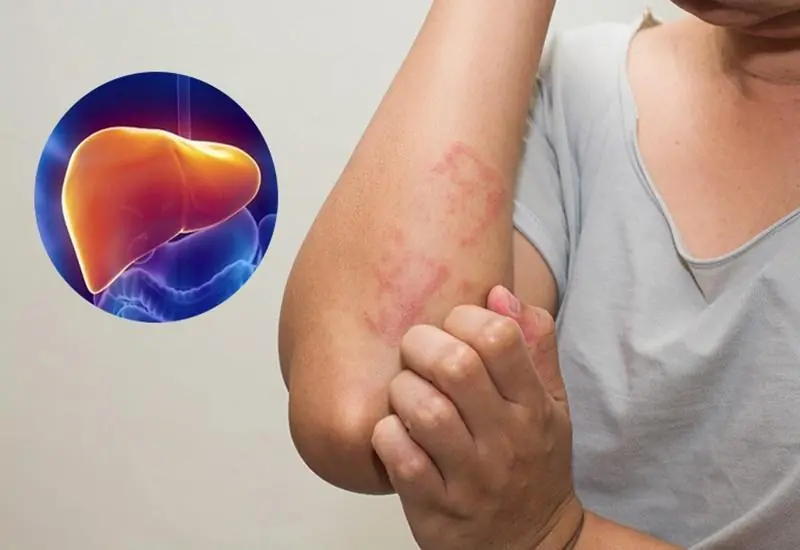
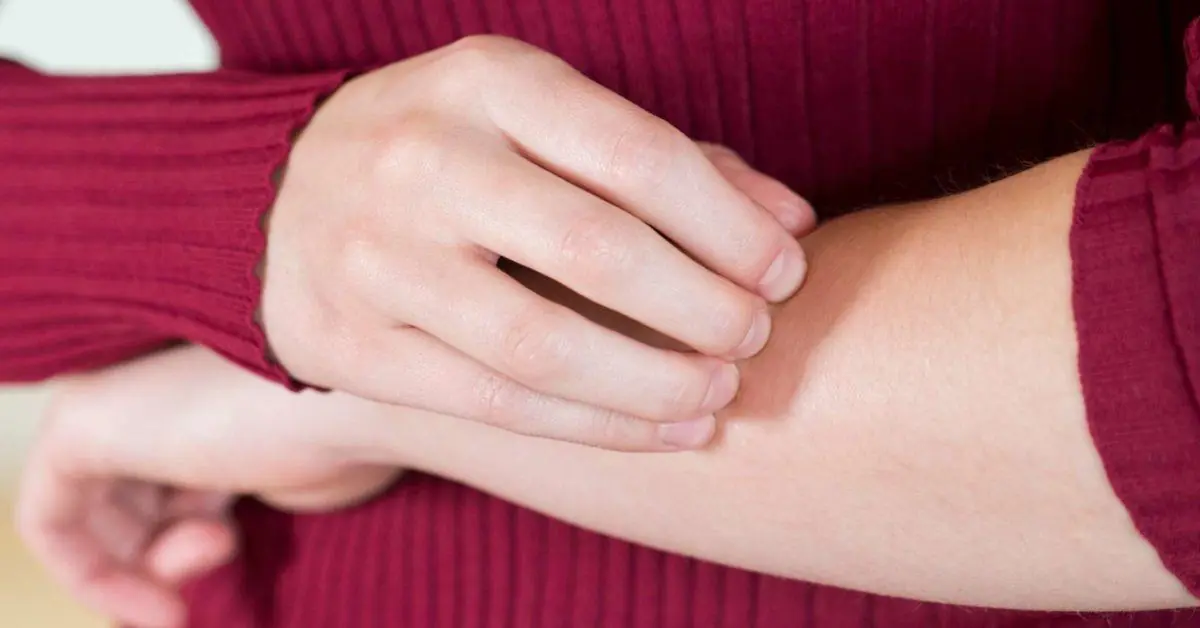
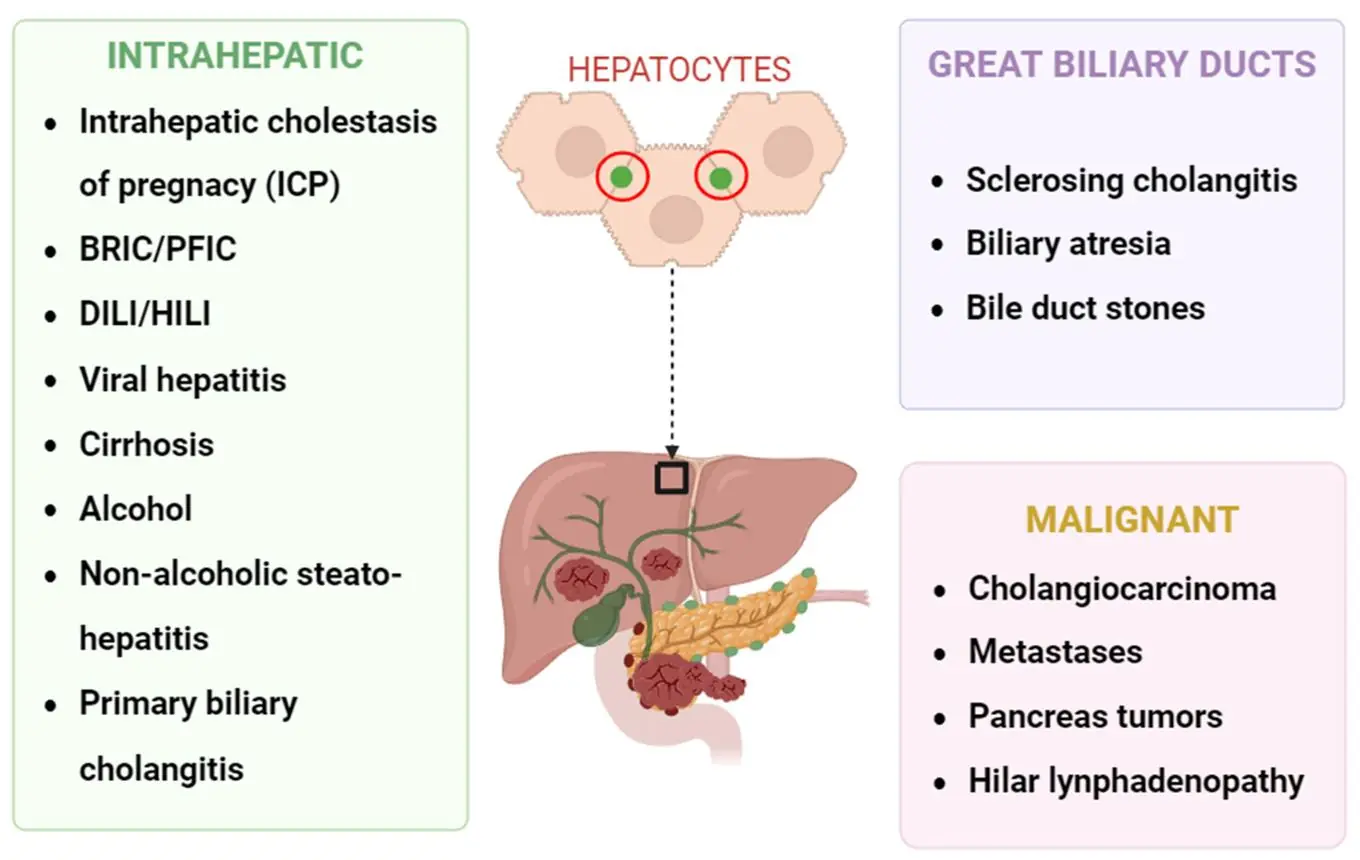
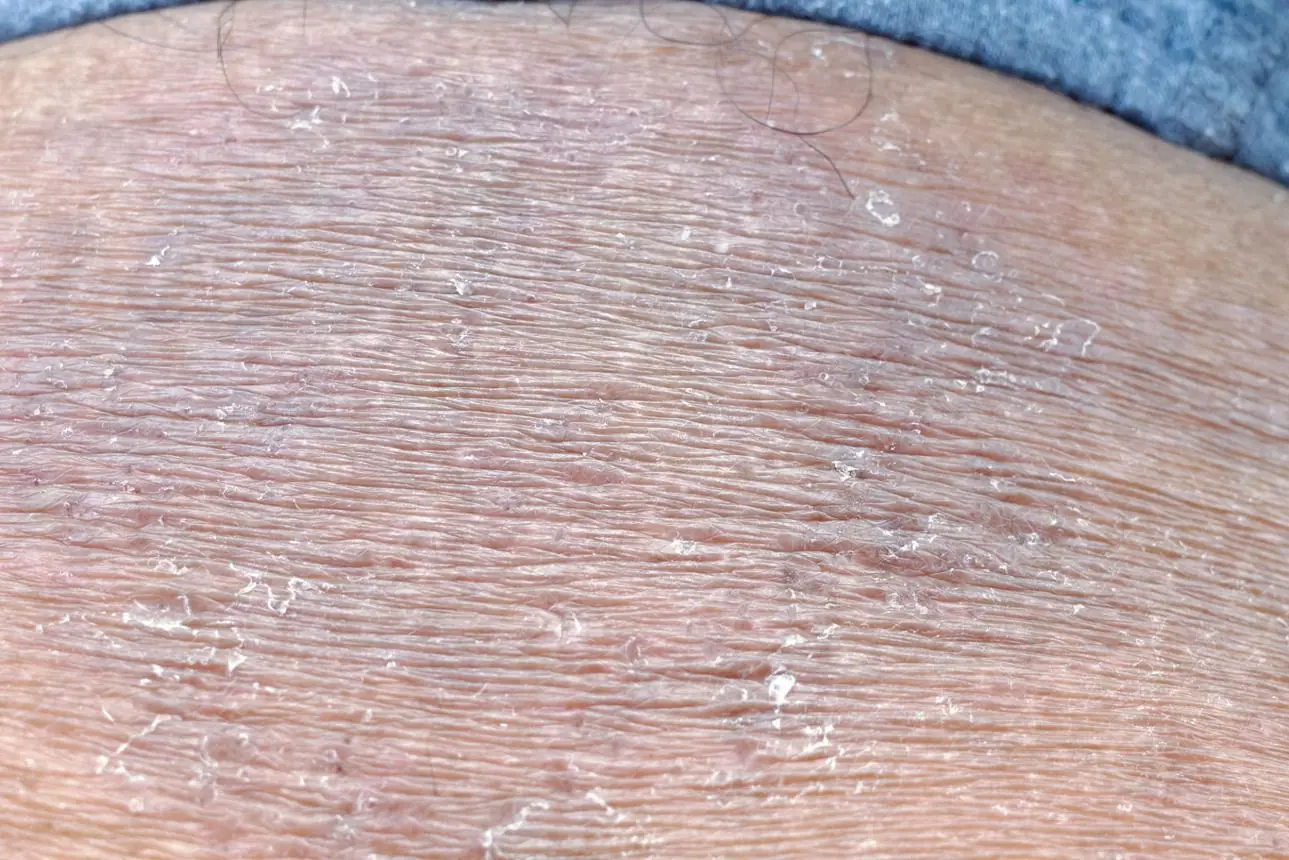
2. ITCHY SKIN (WITHOUT A CLEAR RASH)
4
This is one people ignore a lot.
When bile salts build up under the skin, it can cause:
- Persistent itching
- Worse at night
- No obvious rash
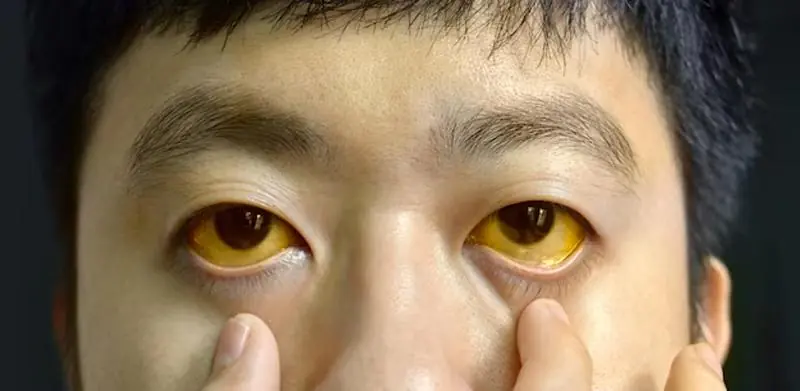
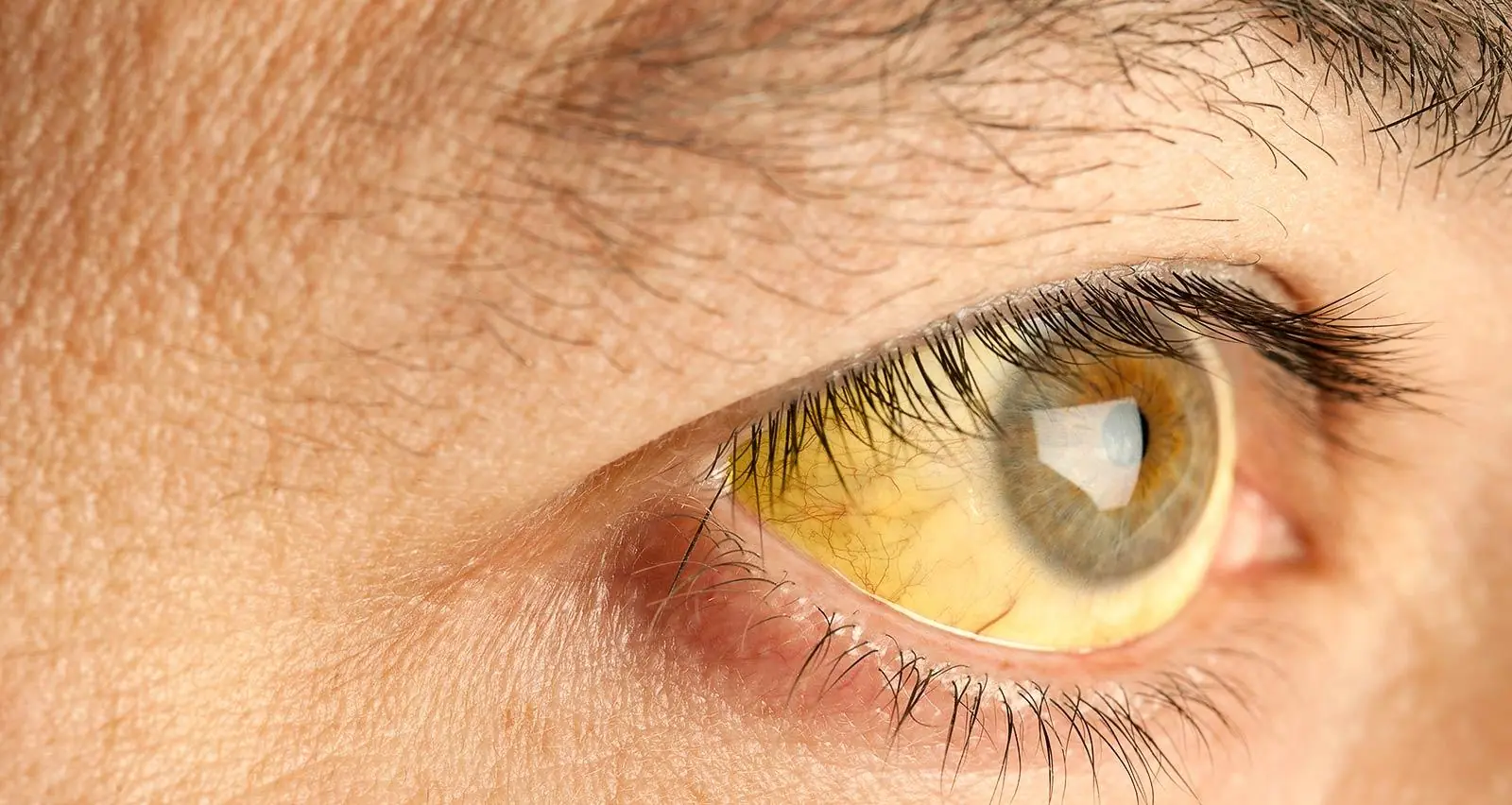
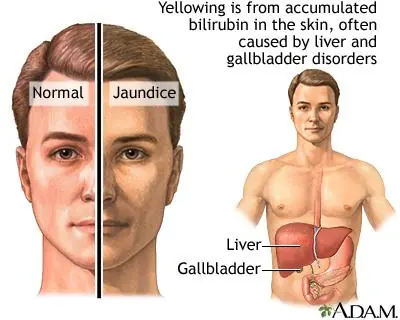
3. YELLOWING OF EYES OR SKIN (JAUNDICE)
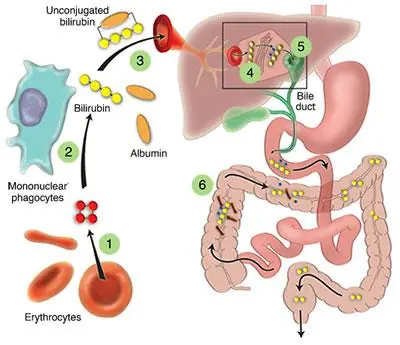
4
A classic sign.
Happens when bilirubin builds up due to liver issues.
→ This one should never be ignored.
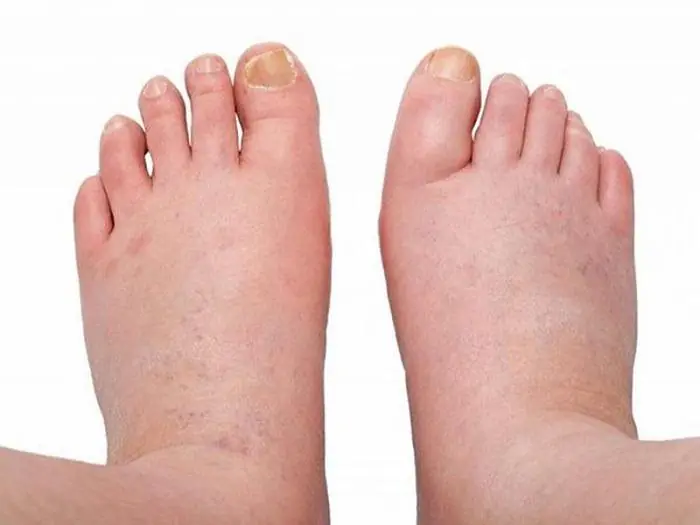
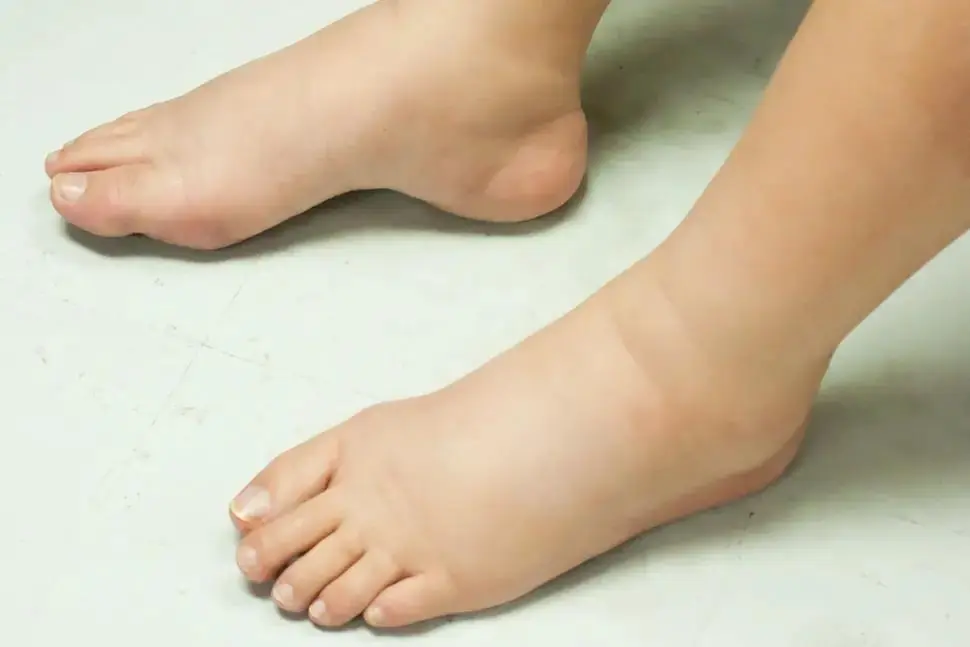
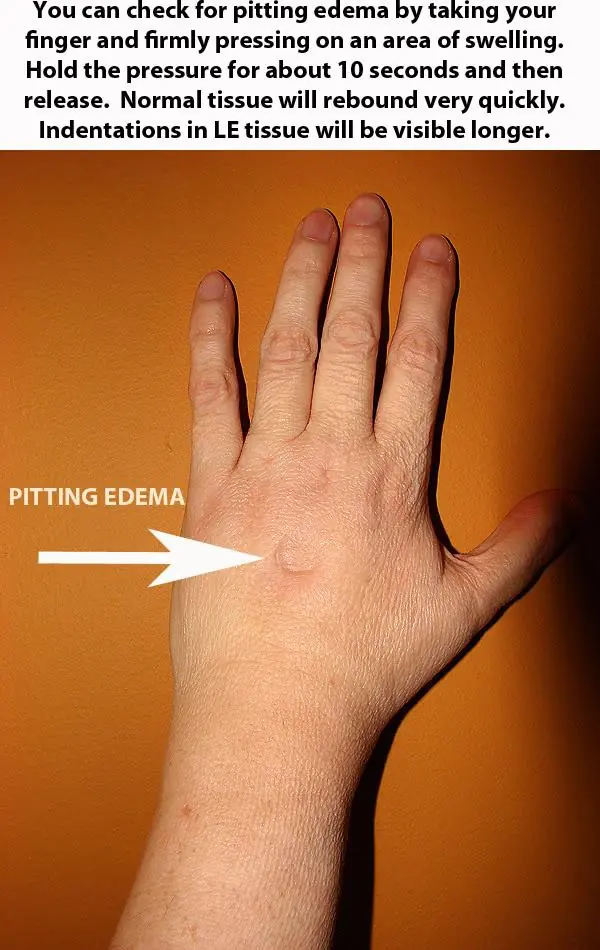
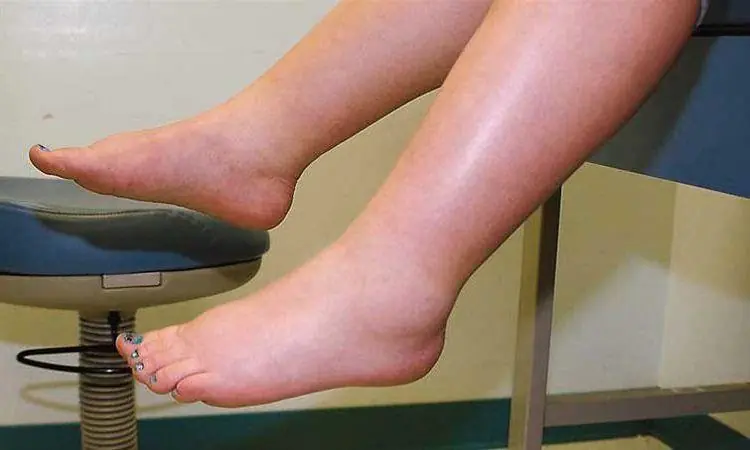
4. SWELLING IN LEGS OR FEET
4
Fluid retention can occur when the liver isn’t managing proteins and circulation properly.
Signs:
- Puffy ankles
- Shoes feeling tighter
- Indent when pressed
5. ABDOMINAL BLOATING OR SWELLING
This isn’t just gas.
In more serious cases, fluid can build up in the abdomen (ascites), causing:
- Tight, swollen belly
- Discomfort
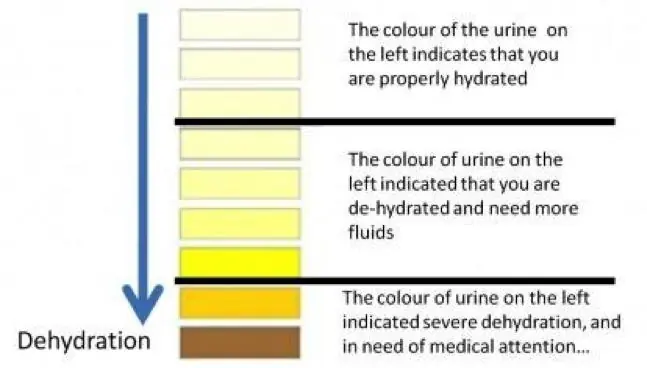
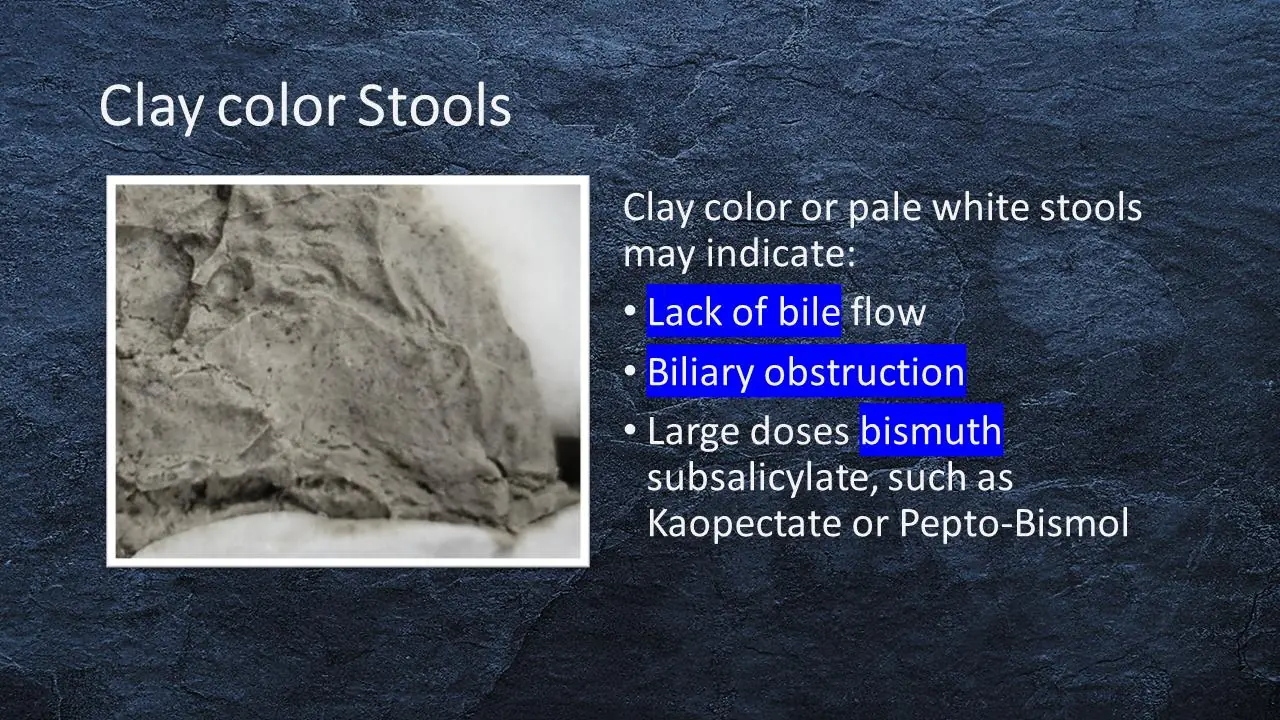
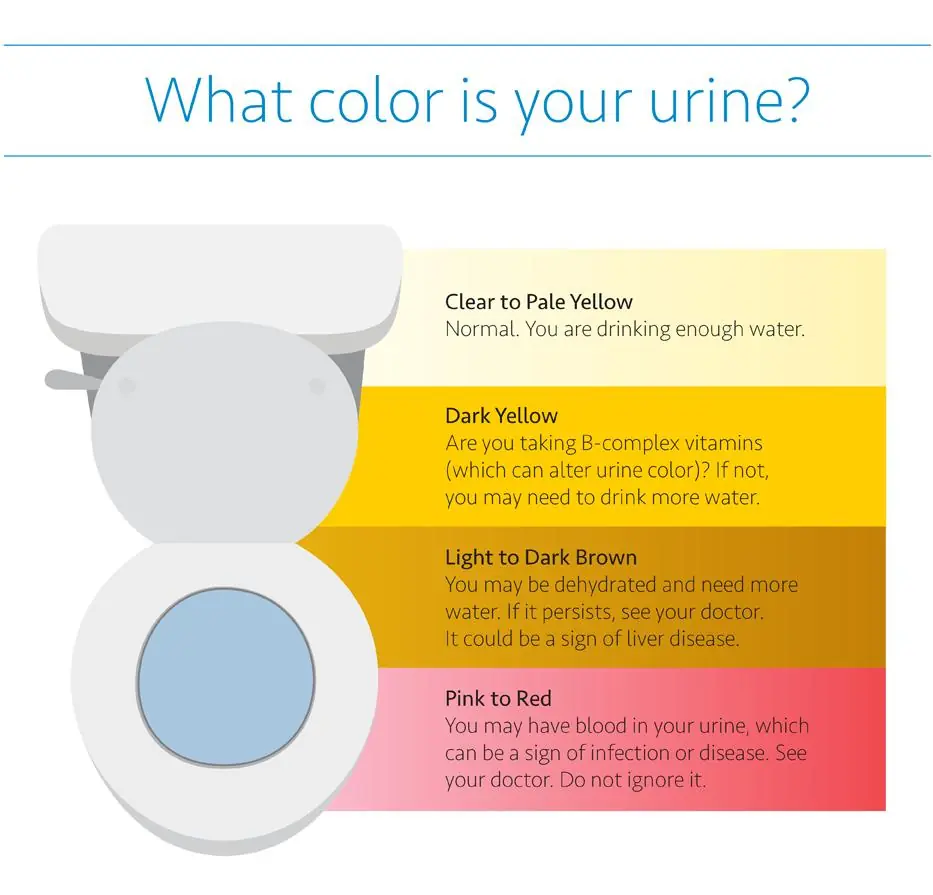
6. DARK URINE OR PALE STOOL
4
Changes in bile flow affect waste color:
- Urine → darker
- Stool → lighter or clay-colored
7. NAUSEA OR LOSS OF APPETITE
Feeling:
- Full quickly
- Less interested in food
- Slight nausea
This can be linked to how the liver processes toxins.
8. EASY BRUISING OR BLEEDING
The liver helps produce clotting factors.
When it’s not functioning well:
- Bruises appear more easily
- Bleeding may take longer to stop
9. RIGHT UPPER ABDOMINAL PAIN
Pain or discomfort under the ribs (right side) can be a signal—especially if persistent.
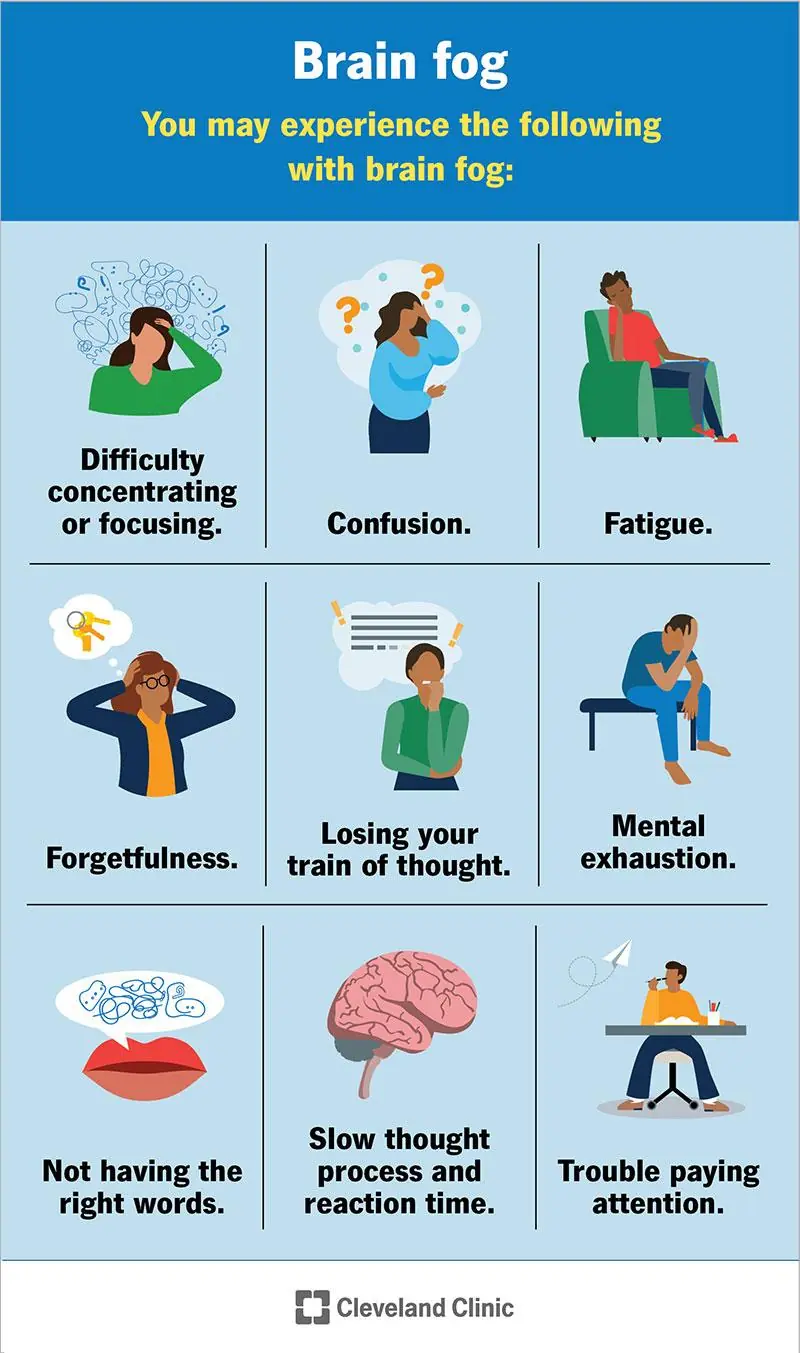
10. BRAIN FOG OR CONFUSION

4
In advanced cases, toxin buildup can affect the brain:
- Difficulty concentrating
- Memory issues
- Confusion
IMPORTANT: THESE SYMPTOMS ARE NOT SPECIFIC
Let’s keep it accurate:
- Many of these signs can come from non-liver issues
- Stress, diet, infections, or other conditions can overlap
What matters is:
→ Persistence + combination + progression
WHEN SHOULD YOU GET CHECKED?
Don’t ignore if:
- Multiple symptoms appear together
- Signs last more than 2–3 weeks
- You notice jaundice or swelling
A simple blood test (liver function test) can provide clarity.
FINAL TAKE
Your liver doesn’t usually “fail suddenly.”
It gives signals—quiet at first, then louder.
BOTTOM LINE
Don’t panic over one symptom.
But don’t ignore patterns either.
Early attention = easier management. Always.
WHAT ACTUALLY CAUSES LIVER DAMAGE?
Understanding the warning signs is only the first step. The next question is equally important: what causes the liver to become unhealthy in the first place?
Many people associate liver disease exclusively with alcohol consumption. Although excessive alcohol use is an important risk factor, it is far from the only cause of liver damage.
In reality, several conditions can affect the liver, and some develop gradually without producing noticeable symptoms.
1. FATTY LIVER DISEASE
One of the most common liver conditions is metabolic dysfunction-associated steatotic liver disease, often abbreviated as MASLD. It was previously known as nonalcoholic fatty liver disease, or NAFLD.
This condition occurs when excess fat accumulates in liver cells in association with metabolic risk factors.
It is frequently linked to:
-
Excess body weight, particularly around the waist
-
Insulin resistance
-
Type 2 diabetes
-
High triglyceride levels
-
High blood pressure
-
Metabolic syndrome
Many people with fatty liver disease feel completely normal. They may have no pain, no visible changes in their skin, and no obvious digestive symptoms.
That is why the condition is sometimes discovered accidentally during an ultrasound or routine blood testing.
For some individuals, fat accumulation remains relatively stable. For others, it may be associated with inflammation and progressive liver injury.
When inflammation and damage develop, the condition may progress to a more serious form known as metabolic dysfunction-associated steatohepatitis, or MASH.
Over time, persistent inflammation can cause scar tissue to develop. This process is called fibrosis.
If scarring becomes extensive, it may eventually lead to cirrhosis, a condition in which normal liver tissue is replaced by significant amounts of scar tissue.
The important point is that fatty liver disease does not automatically mean someone will develop cirrhosis. Many people never progress to advanced disease, especially when metabolic risk factors are identified and managed.
However, ignoring the condition for years can increase the risk of complications in some individuals.
2. ALCOHOL-RELATED LIVER DISEASE
Alcohol is processed primarily by the liver.
When someone drinks alcohol, the liver breaks it down through several chemical processes. These processes produce substances that can damage cells, especially when alcohol consumption is excessive or repeated over long periods.
Alcohol-related liver disease can develop through several stages.
The earliest stage may involve fat accumulation in liver cells. This is often called alcohol-related fatty liver.
With continued heavy alcohol consumption, some individuals develop inflammation and liver-cell injury. This condition is known as alcohol-associated hepatitis.
In more advanced cases, repeated injury can lead to fibrosis and cirrhosis.
One of the difficulties is that liver damage may develop before a person notices any obvious symptoms.
Someone may continue working, exercising, eating normally, and maintaining an ordinary daily routine while significant liver changes are occurring.
This is why the absence of jaundice, abdominal pain, or swelling does not guarantee that alcohol has not affected the liver.
The risk depends on several factors, including the amount consumed, drinking patterns, duration of exposure, genetics, nutritional status, and other medical conditions.
Reducing or stopping alcohol consumption can be an important part of protecting liver health.
People who drink heavily every day should seek medical advice before suddenly stopping, because alcohol withdrawal can be dangerous and may require supervised treatment.
3. VIRAL HEPATITIS
Viral hepatitis refers to inflammation of the liver caused by certain viruses.
The most familiar types include hepatitis A, hepatitis B, and hepatitis C.
Although all three affect the liver, they differ in how they spread, how long infection lasts, and the complications they may cause.
Hepatitis A is usually transmitted through contaminated food or water and close contact with an infected person. It generally causes an acute infection rather than a chronic one.
Hepatitis B can spread through infected blood and certain body fluids, including through sexual contact, shared needles, and transmission from an infected mother to her baby during childbirth.