This can sometimes increase wildlife activity around the property.
If you keep bird feeders, consider positioning them away from the house and cleaning spilled seed regularly.
Similarly, do not leave pet food outdoors overnight unless there is a specific reason to do so.
Small adjustments to how food is managed can reduce the number of animals visiting the property.
9. Keep Storage Areas Organized
Sheds, garages, and outdoor storage areas can become attractive shelters for wildlife when they contain large amounts of clutter.
Boxes, bags, tools, unused equipment, and stacked materials create dark, protected spaces.
Organize storage areas so that you can see the floor and walls more easily.
Keep materials raised off the ground where practical.
Avoid leaving doors open unnecessarily.
Inspect boxes and stored materials before moving them, particularly if they have been sitting undisturbed for a long period.
A clean, organized storage area is easier to inspect and generally provides fewer hidden spaces for wildlife.
10. Don't Rely on “Miracle” Snake Repellents
This may be one of the most important points.
You will find countless online claims about natural substances that supposedly make every snake immediately leave.
These may include sulfur, essential oils, strong-smelling spices, household chemicals, or other substances.
The problem is that there is no universally reliable natural ingredient that will make all snakes stay away from a property.
Snake behavior varies by species, habitat, food availability, temperature, and local environmental conditions.
Some commercial repellents may have limited or species-specific effectiveness, but they should not be treated as a substitute for habitat management.
More importantly, never pour dangerous chemicals around your yard simply because someone online claims they repel snakes.
You could harm pets, children, plants, beneficial wildlife, and the surrounding environment.
Why Snakes May Suddenly Appear
Sometimes homeowners assume that seeing a snake means they have a permanent infestation.
That is not necessarily true.
Snakes are wild animals that move through landscapes in response to food, shelter, temperature, reproduction, and seasonal conditions.
A snake may simply be passing through.
Changes in weather can also influence where snakes are found. During warmer periods, they may become more active. After heavy rainfall, prey animals may move differently, potentially changing predator movements as well.
So one snake does not automatically mean your yard has become a snake habitat.
Repeated sightings, however, can be a reason to investigate the conditions around the property.
What Should You Do If You Actually Find a Snake?
The safest response is usually surprisingly simple:
Give it space.
Do not attempt to grab it.
Do not corner it.
Do not hit it with a shovel or other object.
Do not try to identify it by getting close.
Instead, keep children and pets away and allow the snake a clear route to move away when possible.
Many snake bites happen when people attempt to handle or kill a snake.
If the animal is inside the home, trapped in a difficult location, or appears to be a species of concern in your area, contacting a qualified wildlife professional or local animal-control service may be the safest option.
What About Children and Pets?
Families with children or pets should take extra care around any snake.
Teach children never to approach or touch wildlife, even if the animal appears small or harmless.
Dogs may be particularly curious and may attempt to investigate a snake with their nose or paws.
Keep pets under control in areas where snakes are frequently observed.
If a pet has been bitten or may have had contact with a venomous snake, seek veterinary care immediately rather than waiting for symptoms to develop.
Are Snakes Actually Bad for Your Yard?
Not necessarily.
Snakes are important predators.
Depending on the species, they may help control mice, rats, insects, frogs, and other animals.
A healthy ecosystem can contain snakes without creating a dangerous situation for people.
The goal of humane prevention is therefore not to eliminate snakes from the environment.
It is to reduce unnecessary encounters around human living spaces.
That is a much more realistic goal.
A Simple Snake-Prevention Checklist
Walk around your property and ask yourself:
Is there tall vegetation immediately around the house?
Are there piles of wood, leaves, or debris?
Are rodents finding food easily?
Is there unnecessary standing water?
Are there gaps around doors, foundations, or vents?
Are storage areas cluttered?
Are birdseed or pet food attracting wildlife?
Each problem you correct removes another reason for wildlife to spend time close to your home.
You may not eliminate every snake sighting—and you probably shouldn't expect to.
But you can make the environment less convenient.
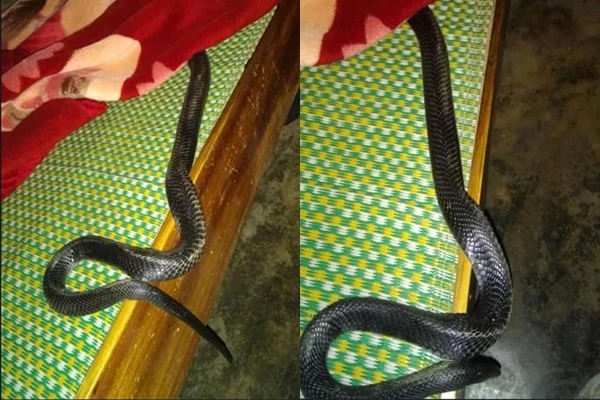
The Bottom Line
You do not need to harm snakes to make your yard less attractive to them.
The most effective approach is usually habitat management: keep vegetation controlled around important areas, remove unnecessary hiding places, reduce rodent activity, eliminate standing water, organize storage spaces, secure food sources, and seal potential entry points.
It is also important to remember that there is no magic powder or household ingredient that guarantees snakes will disappear.
A snake in the yard is often simply a wild animal passing through an environment that provides something it needs.
Make that environment less inviting, give wildlife plenty of space, and focus on prevention rather than confrontation.
That approach is safer for you, your family, your pets, and the snakes themselves.