
9 Important Nutrients That May Support Your Nervous System
Want Healthier Nerves? These 9 Nutrients May Help
Health 29/07/2026 19:00
Heart disease remains one of the leading causes of illness and death worldwide. While genetics and age play important roles, everyday lifestyle choices including what we eat can have a significant impact on long-term cardiovascular health.
When people think about heart-healthy foods, fruits, vegetables, whole grains, and fish often come to mind. However, herbs and spices also deserve a place at the table. Although no spice can "clean" clogged arteries or prevent a heart attack on its own, many contain natural compounds with antioxidant and anti-inflammatory properties that may support cardiovascular health as part of an overall balanced diet.
In addition to adding flavor, spices can help reduce the need for excess salt, making meals more enjoyable while supporting healthy eating habits.
Let's explore ten flavorful spices that research suggests may contribute to a heart-healthy eating pattern.
Your heart works around the clock, pumping blood throughout your body.
Healthy eating can help support:
Healthy blood pressure
Healthy cholesterol levels
Blood vessel function
Blood sugar management
A healthy body weight
Reduced inflammation
Rather than relying on a single "superfood," experts recommend focusing on an overall dietary pattern rich in nutrient-dense foods.
Spices can be one small—but flavorful—part of that pattern.
Turmeric is one of the most studied spices for its potential health benefits.
Its bright yellow color comes from curcumin, a natural compound with antioxidant and anti-inflammatory properties.
Research suggests curcumin may:
Help reduce oxidative stress
Support healthy blood vessel function
Contribute to a balanced inflammatory response
However, curcumin is absorbed relatively poorly on its own.
Pairing turmeric with black pepper, which contains piperine, may improve curcumin absorption.
Turmeric works well in:
Soups
Rice dishes
Curry
Roasted vegetables
Smoothies
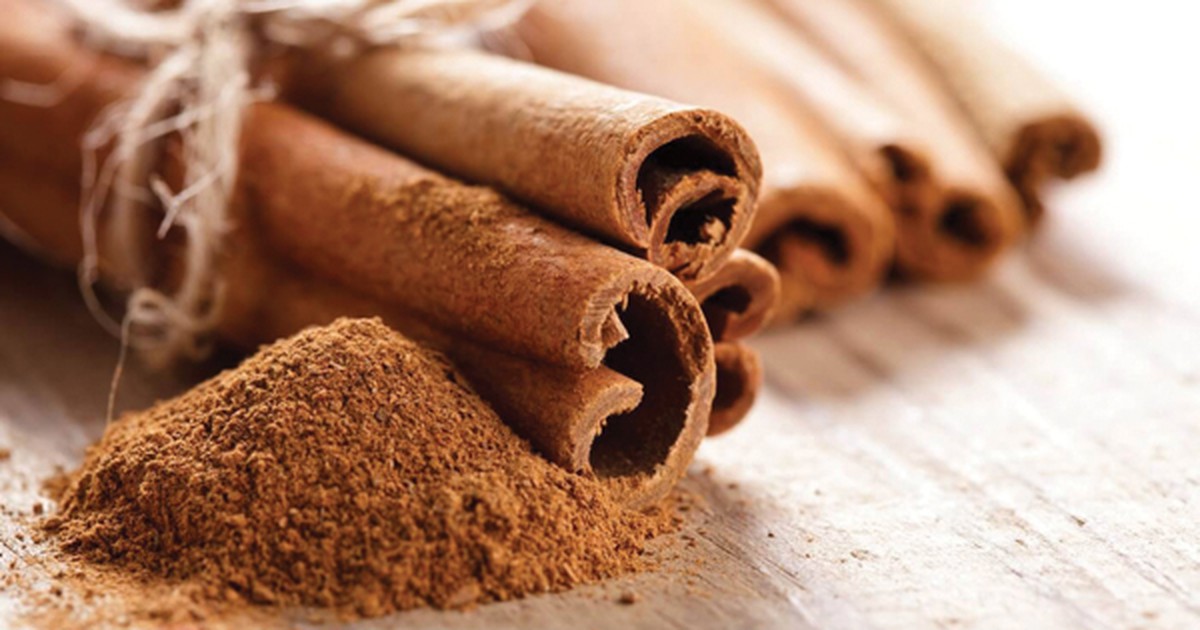
Cinnamon has long been used in both sweet and savory dishes.
Some research suggests cinnamon may help support:
Healthy blood sugar levels in some individuals
Healthy cholesterol levels
Antioxidant defenses
However, results from studies have been mixed, and cinnamon should not replace prescribed treatments for diabetes or high cholesterol.
Try adding cinnamon to:
Oatmeal
Yogurt
Fruit
Smoothies
Whole-grain toast with nut butter
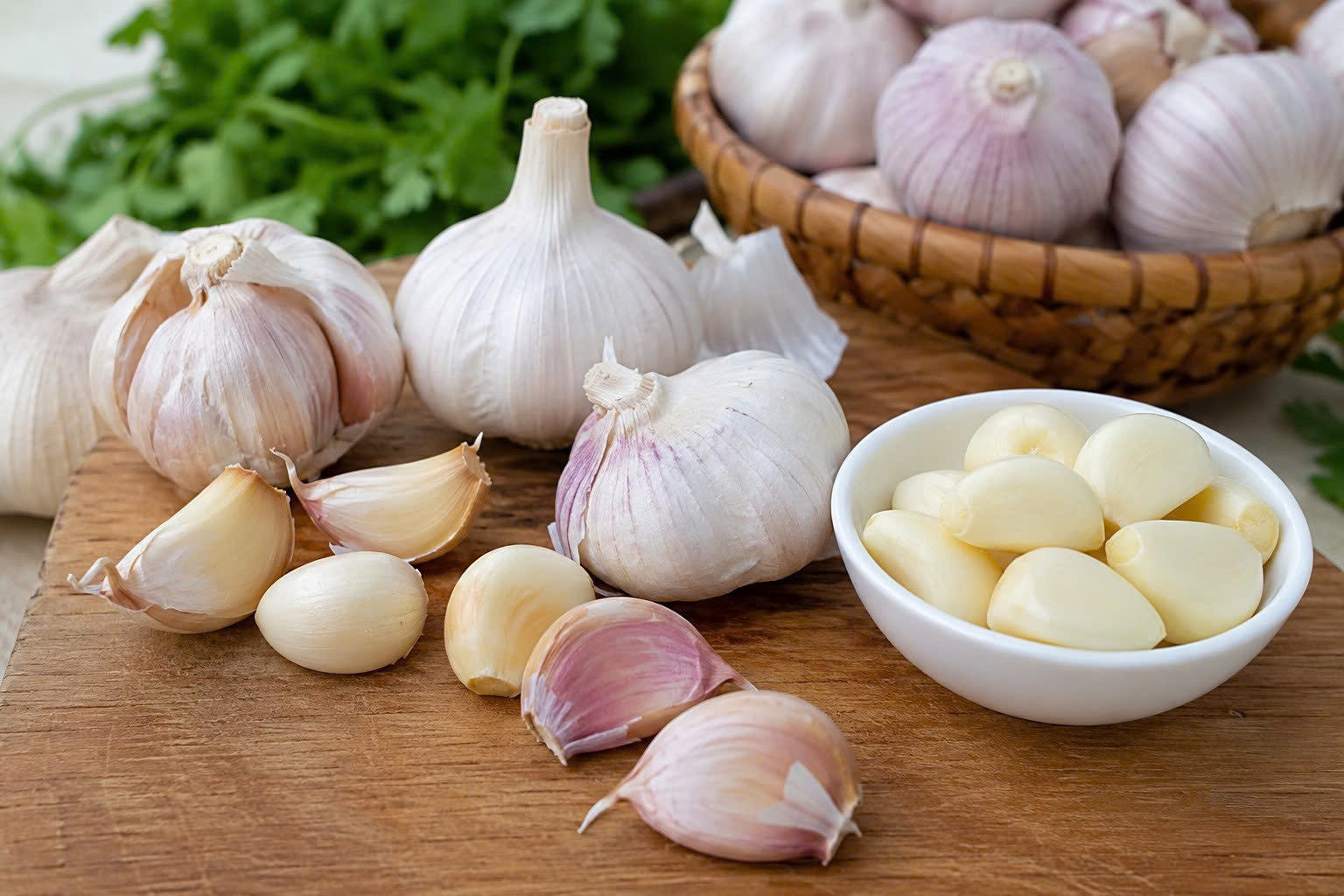
Although technically a bulb rather than a spice, garlic is widely used as a seasoning.
Garlic contains sulfur compounds, including allicin, which forms when fresh garlic is crushed or chopped.
Research suggests garlic may:
Support healthy blood pressure
Contribute to healthy cholesterol levels
Provide antioxidant activity
Allowing chopped garlic to rest for several minutes before cooking may help maximize allicin formation.
People taking blood-thinning medications should consult their healthcare provider before using high-dose garlic supplements.
Ginger has been valued in traditional cuisines for centuries.
Modern research suggests ginger may:
Provide antioxidant compounds
Support a balanced inflammatory response
Help relieve nausea
Contribute to overall cardiovascular wellness
Fresh ginger is excellent in:
Tea
Stir-fries
Soups
Marinades
Smoothies

Black pepper is one of the world's most commonly used spices.
It contains piperine, a natural compound that may:
Improve the absorption of certain nutrients
Enhance curcumin absorption from turmeric
Provide antioxidant effects
Because only small amounts are typically used, black pepper contributes primarily through flavor and complementary nutritional effects.
Oregano is rich in plant compounds such as:
Carvacrol
Thymol
Flavonoids
Laboratory studies suggest these compounds possess antioxidant activity.
Oregano adds flavor to:
Tomato sauces
Roasted vegetables
Chicken
Fish
Whole-grain pasta dishes
Using herbs like oregano may help reduce the need for added salt.
Rosemary contains several naturally occurring antioxidants, including rosmarinic acid and carnosic acid.
Research continues to explore how these compounds may influence health.
Rosemary pairs well with:
Potatoes
Roasted vegetables
Poultry
Beans
Lamb
Its strong aroma allows cooks to enhance flavor without relying heavily on sodium.
Cayenne pepper contains capsaicin, the compound responsible for its heat.
Researchers have investigated capsaicin for possible roles in:
Metabolism
Blood vessel function
Appetite regulation
While the findings are promising, more research is needed to clarify its long-term cardiovascular effects.
People with acid reflux or sensitive stomachs may prefer smaller amounts.
Cumin is commonly used in Mediterranean, Middle Eastern, Latin American, and South Asian cooking.
It provides:
Iron
Antioxidants
Distinctive earthy flavor
Cumin can enhance:
Lentil soups
Bean dishes
Roasted vegetables
Chili
Whole grains
Replacing excessive salt with aromatic spices such as cumin may support a heart-healthy eating pattern.
Cardamom has a sweet, aromatic flavor.
Preliminary studies have explored whether cardamom may support:
Healthy blood pressure
Antioxidant activity
Overall cardiovascular wellness
Although research remains limited, cardamom is a flavorful addition to:
Tea
Coffee
Oatmeal
Rice dishes
Baked fruit
Many adults consume more sodium than recommended.
Excess sodium intake can contribute to elevated blood pressure in many individuals.
Using herbs and spices instead of salt allows you to enjoy flavorful meals while reducing sodium intake.
Examples include:
Garlic + rosemary
Turmeric + black pepper
Oregano + basil
Ginger + garlic
Cumin + paprika
These combinations create rich flavors without relying on excessive salt.
Spices work best when combined with an overall nutritious diet.
Heart-friendly foods include:
Fruits
Vegetables
Whole grains
Beans and lentils
Nuts and seeds
Olive oil
Fatty fish such as salmon and sardines
Low-fat dairy products
Lean poultry
Limiting highly processed foods, sugary drinks, and excessive saturated fat also contributes to cardiovascular health.
Diet is only one part of heart health.
Experts also recommend:
Regular physical activity
Not smoking
Managing blood pressure
Maintaining healthy cholesterol levels
Managing diabetes when present
Getting adequate sleep
Managing stress
Attending regular health checkups
These habits have far stronger evidence for reducing cardiovascular risk than any single food or spice.
False.
No spice has been shown to remove plaque from arteries. Atherosclerosis is a complex condition that requires long-term management through healthy lifestyle habits and, when appropriate, medical treatment.
False.
Although garlic has been studied for its potential cardiovascular effects, it should never replace medications prescribed by a healthcare professional.
False.
Large amounts of turmeric or concentrated curcumin supplements may cause digestive discomfort or interact with certain medications, including blood thinners.
False.
No food or spice can guarantee protection from heart attacks. Cardiovascular risk depends on many factors, including genetics, blood pressure, cholesterol, diabetes, smoking, and overall lifestyle.
Not necessarily.
Whole herbs and spices provide flavor and beneficial plant compounds as part of meals. Dietary supplements are not appropriate for everyone and should only be used after discussing them with a healthcare professional.
Here are some easy ways to enjoy more herbs and spices:
Sprinkle cinnamon on oatmeal or fresh fruit.
Add turmeric and black pepper to soups or roasted vegetables.
Use garlic and rosemary when roasting potatoes or chicken.
Stir fresh ginger into tea or vegetable stir-fries.
Season bean dishes with cumin and oregano.
Add cardamom to warm oatmeal or yogurt.
Flavor grilled vegetables with black pepper and herbs instead of extra salt.
These simple swaps can make healthy meals more enjoyable and flavorful.
Spices do much more than enhance the taste of food. Turmeric, cinnamon, garlic, ginger, black pepper, oregano, rosemary, cayenne pepper, cumin, and cardamom all contain naturally occurring compounds that are being studied for their potential roles in supporting cardiovascular health. While no spice can clean arteries or prevent heart attacks on its own, incorporating a variety of herbs and spices into a balanced diet may help reduce sodium intake, increase antioxidant intake, and encourage healthier eating habits.
The greatest benefits come from combining flavorful cooking with an overall heart-healthy lifestyle that includes regular exercise, adequate sleep, stress management, not smoking, and following your healthcare provider's recommendations for managing blood pressure, cholesterol, and other cardiovascular risk factors.
Want Healthier Nerves? These 9 Nutrients May Help

A persistent cough led doctors to discover a rare and life-threatening lung disorder.

A painful, red skin patch may require prompt medical attention.
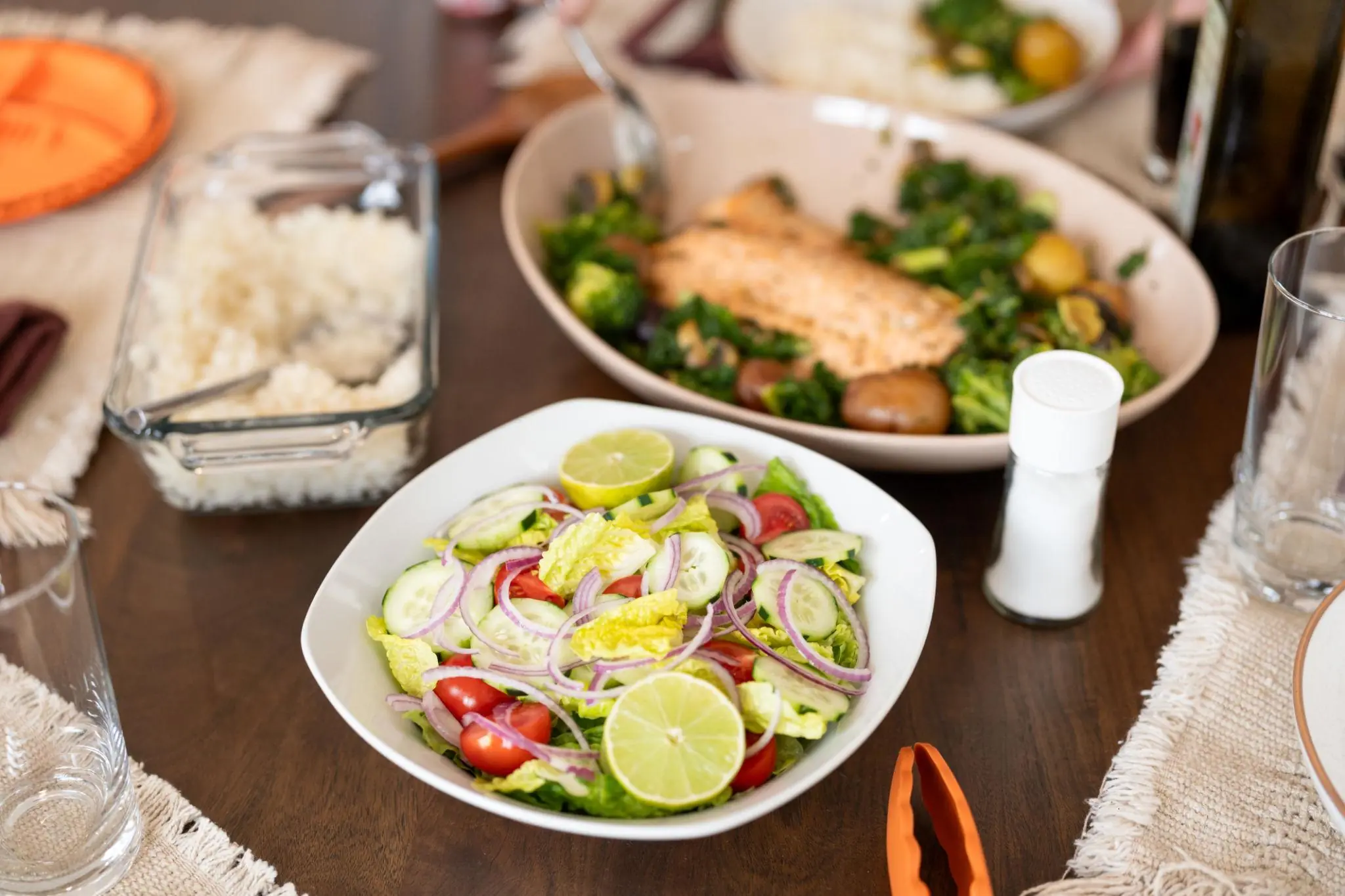
Eating the same foods daily may limit nutrition more than you realize.
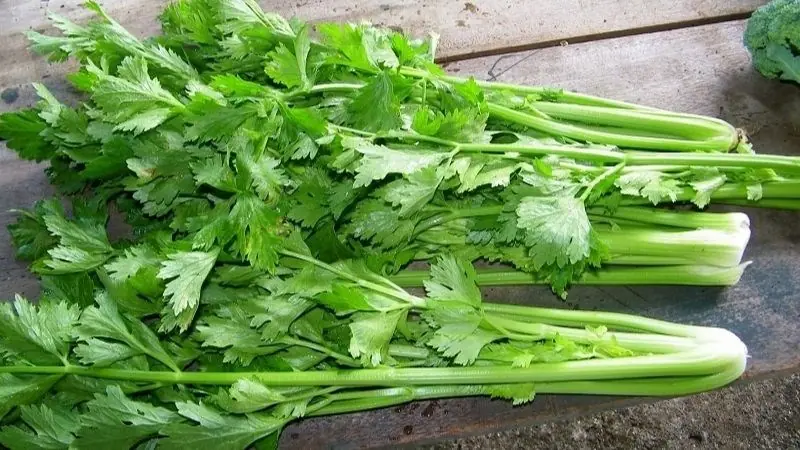
Celery Isn’t for Everyone: These 5 Groups Should Be Cautious
Eat for Better Immunity: 20 Nutrient-Packed Foods to Add to Your Meals
5 Common Morning Mistakes That Could Work Against Your Heart Health
Eating Onions Regularly? These People May Need to Watch Their Intake
The Surprising Reason Some People Keep Garlic Beside Their Bed at Night
Could Eating Parsley Benefit Your Health? Here's What the Evidence Says
10 Possible Lung Can.cer Warning Signs and When to See a Doctor

Simple Dietary Tips That May Help Reduce Mild Fluid Retention

Struggling to Relax at Night? Try These 5 Simple Bedtime Drinks

Bumps on Your Neck? Don’t Panic, but Know When to Pay Attention.
Want Better Digestion? These 6 Foods May Be a Great Way to Start Your Day

Chicken Feet Contain Plenty of Collagen—Here's What That Could Mean for Your Diet.
Walnuts Are Packed With Nutrients—but Here's What They May Actually Do to Your Body.

Love Eggs for Breakfast? Here's What Regularly Eating Them May Do to Your Body.

Prominent Veins: When They're Normal and When You Should Get Them Checked.
Want Healthier Nerves? These 9 Nutrients May Help
A persistent cough led doctors to discover a rare and life-threatening lung disorder.

Found This Tiny Insect in Your Kitchen? Check Your Pantry Now
A painful, red skin patch may require prompt medical attention.
Eating the same foods daily may limit nutrition more than you realize.



When Love Meets the Truth
Celery Isn’t for Everyone: These 5 Groups Should Be Cautious
Eat for Better Immunity: 20 Nutrient-Packed Foods to Add to Your Meals

5 Common Morning Mistakes That Could Work Against Your Heart Health
Eating Onions Regularly? These People May Need to Watch Their Intake

The Husband Who Read Their Love Story Every Day
The Surprising Reason Some People Keep Garlic Beside Their Bed at Night
Could Eating Parsley Benefit Your Health? Here's What the Evidence Says
10 Possible Lung Can.cer Warning Signs and When to See a Doctor
Simple Dietary Tips That May Help Reduce Mild Fluid Retention