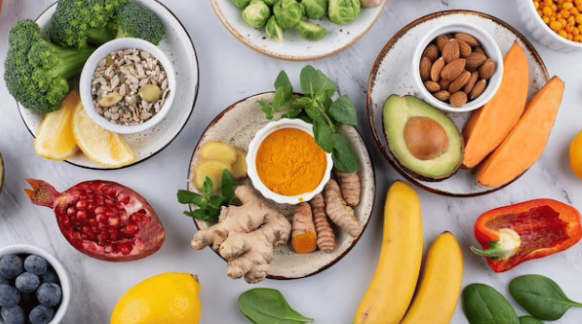
A balanced, nutrient-rich diet plays a key role in overall health and growing evidence suggests it may also help reduce the risk of certain cancers. While no single food can prevent cancer on its own, a dietary pattern rich in whole, plant-based foods and healthy fats can support the body’s natural defense systems.
Below are 10 foods commonly associated with a healthier diet that may contribute to lowering cancer risk, along with the science behind their benefits.
1. Cruciferous Vegetables (e.g., Broccoli, Cauliflower)
Cruciferous vegetables are rich in compounds like sulforaphane, which may help neutralize harmful substances in the body.
Benefits:
- Supports detoxification
- May help protect cells from damage

2. Berries
Berries such as blueberries, strawberries, and raspberries are packed with antioxidants like anthocyanins.
Why they matter:
- Help combat oxidative stress
- May reduce inflammation
3. Leafy Green Vegetables
Spinach, kale, and other greens are rich in vitamins, minerals, and fiber.
Key nutrients:
- Folate
- Vitamin C
- Carotenoids
These nutrients support healthy cell function and immune defense.
4. Tomatoes
Tomatoes contain lycopene, a powerful antioxidant linked to reduced risk of certain cancers.
Best consumed:
- Cooked (e.g., tomato sauce), which increases lycopene absorption
5. Garlic
Garlic has been studied for its potential anti-cancer properties due to sulfur-containing compounds.
Possible effects:
- Enhances immune function
- May reduce inflammation
6. Whole Grains
Foods like brown rice, oats, and whole wheat are high in fiber.
Benefits:
- Supports digestive health
- Helps maintain a healthy weight
Fiber may also help reduce the risk of colorectal cancer.
7. Nuts and Seeds
Almonds, walnuts, flaxseeds, and chia seeds provide healthy fats, fiber, and antioxidants.
What they offer:
- Anti-inflammatory effects
- Support for heart and metabolic health
8. Fatty Fish (e.g., Salmon, Mackerel)
Fatty fish are rich in omega-3 fatty acids, which may help reduce inflammation.
Why this matters:
Chronic inflammation is linked to the development of various diseases, including cancer.
9. Green Tea
Green tea contains catechins, which are natural antioxidants.
Potential benefits:
- May help protect cells from damage
- Supports overall metabolic health
10. Legumes (Beans, Lentils)
Legumes are excellent sources of plant-based protein and fiber.
Benefits:
- Promote gut health
- Help regulate blood sugar
A healthy gut environment is increasingly linked to disease prevention.

Why Diet Matters in Cancer Prevention
A diet rich in these foods supports:
- Antioxidant protection against cell damage
- Reduced inflammation
- Improved immune function
- Healthy weight maintenance
All of these factors contribute to lowering overall cancer risk.
Important Perspective
It’s essential to understand that:
- No single food can prevent cancer
- Diet is just one part of a broader lifestyle approach
Other critical factors include:
- Avoiding smoking
- Regular physical activity
- Limiting alcohol consumption
- Routine health screenings
The Bottom Line
Incorporating a variety of nutrient-dense foods - especially fruits, vegetables, whole grains, and healthy fats—can play a meaningful role in supporting long-term health and potentially reducing cancer risk.
Rather than focusing on individual “superfoods,” the key is consistency: building a balanced, sustainable diet that nourishes your body every day.