Healthy circulation is essential for keeping your entire body supplied with oxygen and nutrients. Your legs, in particular, rely on an efficient circulatory system to move blood back toward the heart against gravity.
When circulation isn't working efficiently, some people may notice symptoms such as cold feet, swelling, heaviness, numbness, or tired legs. These symptoms can have many possible causes, so persistent or worsening problems should always be evaluated by a healthcare professional.
One of the most practical ways to support cardiovascular and vascular health is through your everyday diet.
No single food can magically "clean" your arteries or instantly improve circulation. However, a balanced eating pattern rich in vegetables, fruits, whole grains, legumes, healthy fats, and lean proteins can provide nutrients that support the heart and blood vessels.
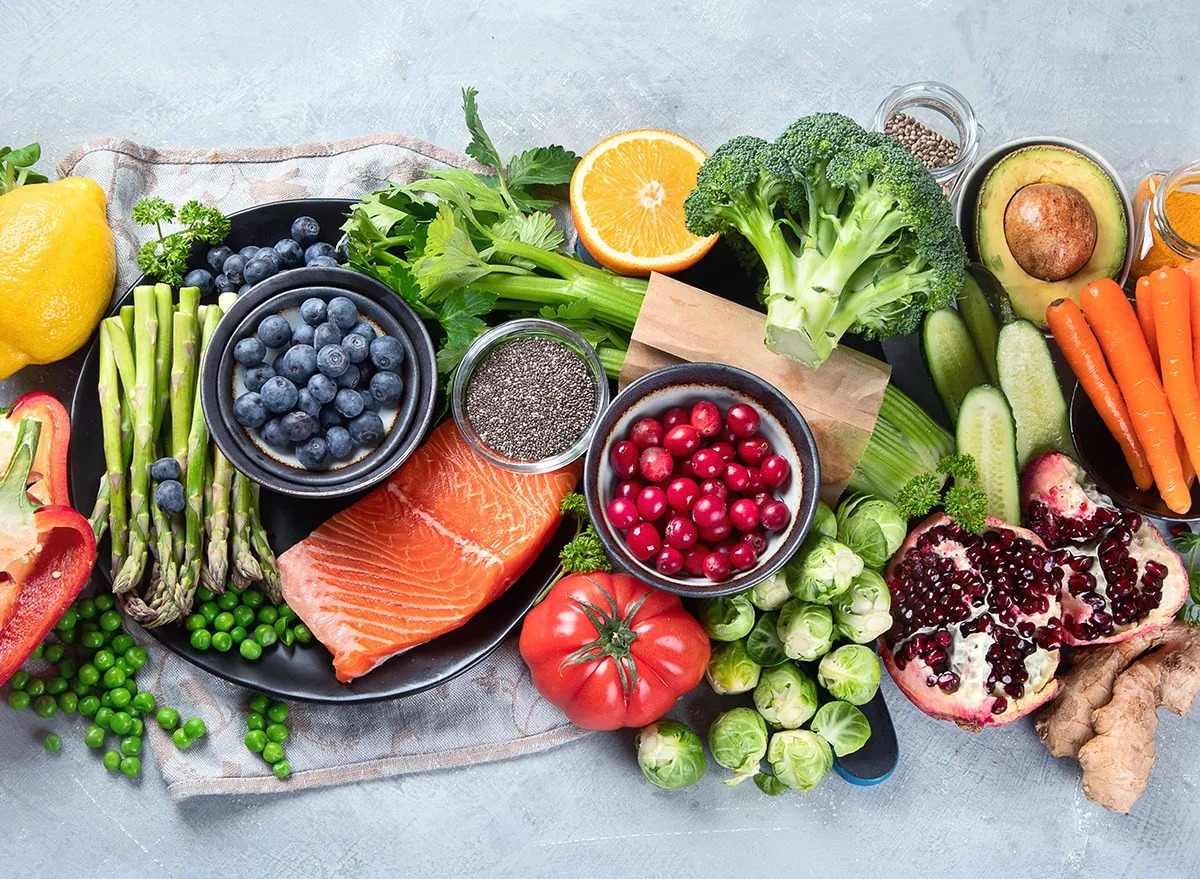
Here are 10 foods worth adding to a balanced diet if you're looking to support healthy circulation in your legs.

1. Fatty Fish
Fatty fish are among the best-known foods for cardiovascular health.
Options such as:
-
Salmon
-
Sardines
-
Mackerel
-
Herring
-
Trout
are rich in omega-3 fatty acids, particularly EPA and DHA.
Omega-3 fats play important roles in cardiovascular function and have anti-inflammatory properties. Regularly eating fish as part of a balanced diet is associated with better heart health.
Because healthy circulation begins with a healthy cardiovascular system, adding fish to your meals can be a useful dietary habit.
Easy ways to eat more fish
Try baked salmon with vegetables, sardines on whole-grain toast, or grilled trout with a large salad.
If you don't eat fish, plant sources such as flaxseeds, chia seeds, and walnuts provide another type of omega-3 fat called ALA.
2. Leafy Green Vegetables
Spinach, kale, Swiss chard, arugula, and other leafy greens are packed with nutrients.
They provide:
-
Folate
-
Vitamin K
-
Magnesium
-
Potassium
-
Fiber
-
Various plant compounds
Leafy greens also contain dietary nitrates.
The body can convert these compounds into nitric oxide, a molecule involved in blood-vessel relaxation and regulation of blood flow.
That doesn't mean eating a bowl of spinach will immediately transform circulation.
Rather, regularly eating nitrate-rich vegetables can be part of an overall dietary pattern that supports cardiovascular health.
Try this
Add spinach to eggs, blend leafy greens into a smoothie, or make a large salad with arugula, tomatoes, beans, and olive oil.
3. Beets
Beets have attracted considerable attention because they're naturally rich in dietary nitrates.
When the body processes nitrates, it can produce nitric oxide, which helps blood vessels relax.
Research has investigated beetroot and beetroot juice in relation to blood pressure and exercise performance.
For everyday eating, you don't necessarily need a concentrated supplement.
Roasted, steamed, or grated beets can be an easy addition to meals.
Simple idea
Try roasted beets with leafy greens, walnuts, and a small amount of olive oil.
The combination gives you nitrates, fiber, healthy fats, and other nutrients in one meal.
4. Berries
Strawberries, blueberries, blackberries, and raspberries are rich in polyphenols and other antioxidant compounds.
These compounds may help support healthy blood vessels and protect cells from oxidative stress.
Berries are also naturally high in fiber and relatively low in calories compared with many desserts.
Instead of relying on sugary snacks, you can use berries as a naturally sweet option.
Try them with:
-
Plain yogurt
-
Oatmeal
-
Chia pudding
-
Whole-grain cereal
-
A handful of unsalted nuts
Frozen berries can be just as convenient when fresh fruit isn't available.
5. Citrus Fruits
Oranges, grapefruit, lemons, limes, and other citrus fruits provide vitamin C, folate, potassium, and plant compounds such as flavonoids.
Vitamin C contributes to normal collagen formation, which is important for healthy blood vessels and connective tissues.
Citrus fruits can also make healthy meals more enjoyable.
Instead of using heavy sauces, try squeezing lemon over fish, vegetables, or salads.
A simple combination
A salad containing spinach, orange segments, walnuts, and salmon brings together several foods associated with cardiovascular-friendly eating.
6. Garlic
Garlic has been used in cooking and traditional practices for thousands of years.
It contains sulfur-containing compounds, including allicin, which forms when garlic is chopped or crushed.
Research has examined garlic's potential effects on cardiovascular risk factors, including blood pressure and cholesterol.
While garlic shouldn't be viewed as a treatment for vascular disease, using it regularly in place of excessive salt or heavily processed sauces can be a smart culinary choice.
Try this
Add fresh chopped garlic to:
-
Roasted vegetables
-
Soups
-
Bean dishes
-
Whole-grain pasta
-
Homemade salad dressing
It adds substantial flavor without requiring large amounts of sodium.
7. Nuts and Seeds
Nuts and seeds are small but nutritionally dense.
Almonds, walnuts, pistachios, chia seeds, flaxseeds, and pumpkin seeds provide combinations of:
-
Unsaturated fats
-
Fiber
-
Magnesium
-
Plant protein
-
Antioxidant compounds
Walnuts are particularly notable for their plant-based omega-3 fat, ALA.
Meanwhile, seeds such as chia and flax can provide both fiber and healthy fats.
Portion matters
Nuts are nutritious but calorie-dense.
A small handful is generally enough for a snack.
Choose unsalted varieties when possible, particularly if you're trying to reduce sodium intake.
8. Beans and Lentils
Beans, chickpeas, lentils, and other legumes are excellent sources of fiber and plant protein.
They can be especially useful for replacing foods higher in saturated fat.
A diet rich in legumes can support healthy cholesterol levels and overall cardiovascular health.
They're also affordable, versatile, and filling.
Easy meal ideas
Try:
-
Lentil soup
-
Chickpea salad
-
Black bean tacos
-
Bean-based chili
-
Lentils with brown rice and vegetables
A meal built around legumes, vegetables, and whole grains can provide a substantial amount of fiber.
9. Extra-Virgin Olive Oil
Extra-virgin olive oil is a major component of the Mediterranean-style eating pattern, which has been extensively studied for cardiovascular health.
It is rich in monounsaturated fat and contains various plant compounds.
Replacing butter or other sources of saturated fat with unsaturated fats can be beneficial for overall heart health.
Instead of thinking about olive oil as a "circulation cure," think of it as a healthier fat choice within an overall dietary pattern.
Try it this way
Drizzle a small amount over vegetables or use it as the base for a homemade salad dressing.
It pairs especially well with lemon juice, garlic, herbs, and black pepper.
10. Dark Chocolate and Cocoa
Here's one that may surprise you.
Cocoa and dark chocolate contain flavanols, plant compounds that have been studied for their effects on vascular function.
Some research suggests cocoa flavanols may support endothelial function—the ability of blood vessels to expand and contract appropriately.
But there's an important catch.
Not all chocolate products contain the same amount of cocoa flavanols.
Many commercial chocolate products are also high in added sugar and saturated fat.
If you enjoy dark chocolate, choose a product with a relatively high cocoa percentage and keep portions moderate.
A small piece can be enough.
Why These Foods May Help Your Legs
It's important to understand that these foods don't specifically "flush" blood through the legs.
Their potential benefits are broader.
Healthy circulation depends on several interconnected systems:
Heart → arteries → smaller blood vessels → tissues → veins → back to the heart
Your diet can influence factors such as:
-
Blood pressure
-
Cholesterol
-
Blood-vessel function
-
Inflammation
-
Blood sugar
-
Body weight
-
Overall cardiovascular health
Improving these factors can support the circulatory system as a whole.
Don't Forget About Potassium-Rich Foods
Potassium is an important mineral involved in blood-pressure regulation.
Many fruits and vegetables contain potassium, including:
-
Bananas
-
Potatoes
-
Sweet potatoes
-
Avocados
-
Tomatoes
-
Beans
-
Leafy greens
A diet rich in potassium-containing foods can be part of a heart-healthy eating pattern.
However, people with kidney disease or those taking certain medications may need to limit potassium.
If you've been told to restrict potassium, don't increase your intake without medical advice.
Hydration Matters Too
Food isn't the only part of circulation.
Adequate fluid intake supports normal blood volume and overall bodily function.
For most people, water is the simplest choice.
You don't need expensive "detox" drinks or special circulation supplements.
Drink according to thirst and your individual needs.
If you have heart failure, kidney disease, or another condition requiring fluid restriction, follow the guidance provided by your healthcare professional.
What About Foods You Should Limit?
Supporting circulation isn't only about what you add.
It's also about what you consume less often.
A heart-friendly dietary pattern generally limits excessive amounts of:
Highly processed foods
Many processed foods contain substantial amounts of sodium, refined carbohydrates, and unhealthy fats.
Excess sodium
Too much sodium can contribute to elevated blood pressure in salt-sensitive individuals.
Processed meats
Foods such as bacon, sausage, and certain deli meats can be high in sodium and saturated fat.
Added sugars
Excessive intake can make it harder to maintain a healthy weight and metabolic health.
Trans fats
These are particularly harmful to cardiovascular health and are best avoided.
The goal isn't perfection.
It's about what you eat most of the time.
A Sample Day for Better Cardiovascular Nutrition
Here's an example of how these foods could fit naturally into your day.
Breakfast
Oatmeal topped with:
-
Blueberries
-
Chia seeds
-
Walnuts
Lunch
A large salad containing:
-
Spinach
-
Chickpeas
-
Tomatoes
-
Orange segments
-
Olive oil
-
Lemon juice
Snack
A small handful of unsalted almonds and a piece of fruit.
Dinner
Grilled salmon with:
-
Roasted beets
-
Broccoli
-
Whole grains
-
Olive oil and garlic
Dessert
A small portion of dark chocolate with a high cocoa content.
This isn't a prescription or special "circulation diet."
It's simply an example of how nutrient-dense foods can work together in a balanced eating pattern.
Food Alone Can't Fix Every Circulation Problem
This is perhaps the most important point.
If you're experiencing:
-
Persistent leg swelling
-
Significant leg pain
-
Numbness
-
Weakness
-
Skin discoloration
-
Slow-healing wounds
-
Cold feet that persist
-
Pain when walking that improves with rest
-
A sudden change in one leg
don't assume that changing your diet will solve the problem.
Circulation problems can have many causes, including peripheral artery disease, chronic venous disease, nerve problems, diabetes, blood clots, and other medical conditions.
Some require medical treatment.
Be Especially Alert to Sudden Symptoms
A sudden swollen, painful, warm, or discolored leg—particularly when the symptoms affect only one side—can sometimes indicate a blood clot and requires prompt medical evaluation.
If leg symptoms are accompanied by sudden shortness of breath, chest pain, coughing up blood, or fainting, seek emergency medical care.
Food should never be used as a substitute for urgent medical evaluation.
Movement Is Just as Important as Food
You can eat an incredibly healthy diet and still spend 12 hours a day sitting.
For circulation, movement matters.
Walking activates the calf muscles, which help push blood through the veins of the legs.
Simple habits can help:
-
Take short walking breaks
-
Use the stairs when appropriate
-
Stretch after long periods of sitting
-
Walk after meals
-
Avoid remaining in one position for hours
You don't need an intense workout to benefit from regular movement.
Consistency matters more than perfection.
The Bigger Picture: Think Mediterranean
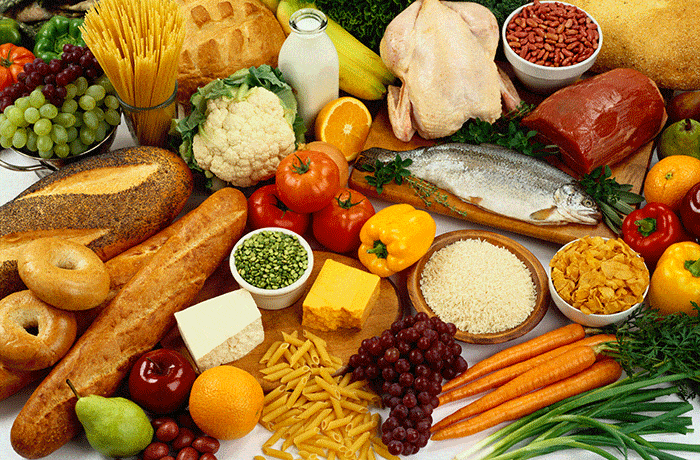
If you want one simple dietary model to follow, consider the principles of a Mediterranean-style eating pattern.
It emphasizes:
Vegetables
Fruits
Whole grains
Beans and legumes
Fish
Nuts and seeds
Olive oil
and moderate amounts of other protein sources.
It also limits highly processed foods, excessive added sugars, and large amounts of saturated fat.
Rather than searching for one miracle food, focus on building meals around this general pattern.
Final Thoughts
There isn't a single food that can instantly improve blood circulation in your legs.
But your daily diet can influence many of the factors that determine cardiovascular and vascular health.
Foods such as fatty fish, leafy greens, beets, berries, citrus fruits, garlic, nuts, beans, extra-virgin olive oil, and cocoa-rich dark chocolate can all fit into a balanced eating pattern that supports heart and blood-vessel health.
The bigger goal is not to eat one "superfood."
It's to create a lifestyle that works together:
Eat more whole foods.
Limit excessive sodium and highly processed foods.
Stay physically active.
Maintain a healthy weight when appropriate.
Don't smoke.
Get enough sleep.
Manage conditions such as high blood pressure and diabetes.
And most importantly, don't ignore persistent or sudden circulation symptoms simply because you're eating healthy.
Your legs can sometimes provide clues about your overall vascular health, but food is only one piece of the puzzle.
Healthy circulation is built through consistent habits—not a single miracle ingredient.