10 Harmful Habits That Can Damage Your Liver and Lead to Fatty Liver Disease 😲
Your liver works silently every day—filtering toxins, processing nutrients, and supporting digestion. But certain daily habits can slowly overload it, increasing the risk of fatty liver disease, a condition that’s becoming increasingly common worldwide.
Here are 10 habits that may be harming your liver more than you realize.
1. Eating too much sugar
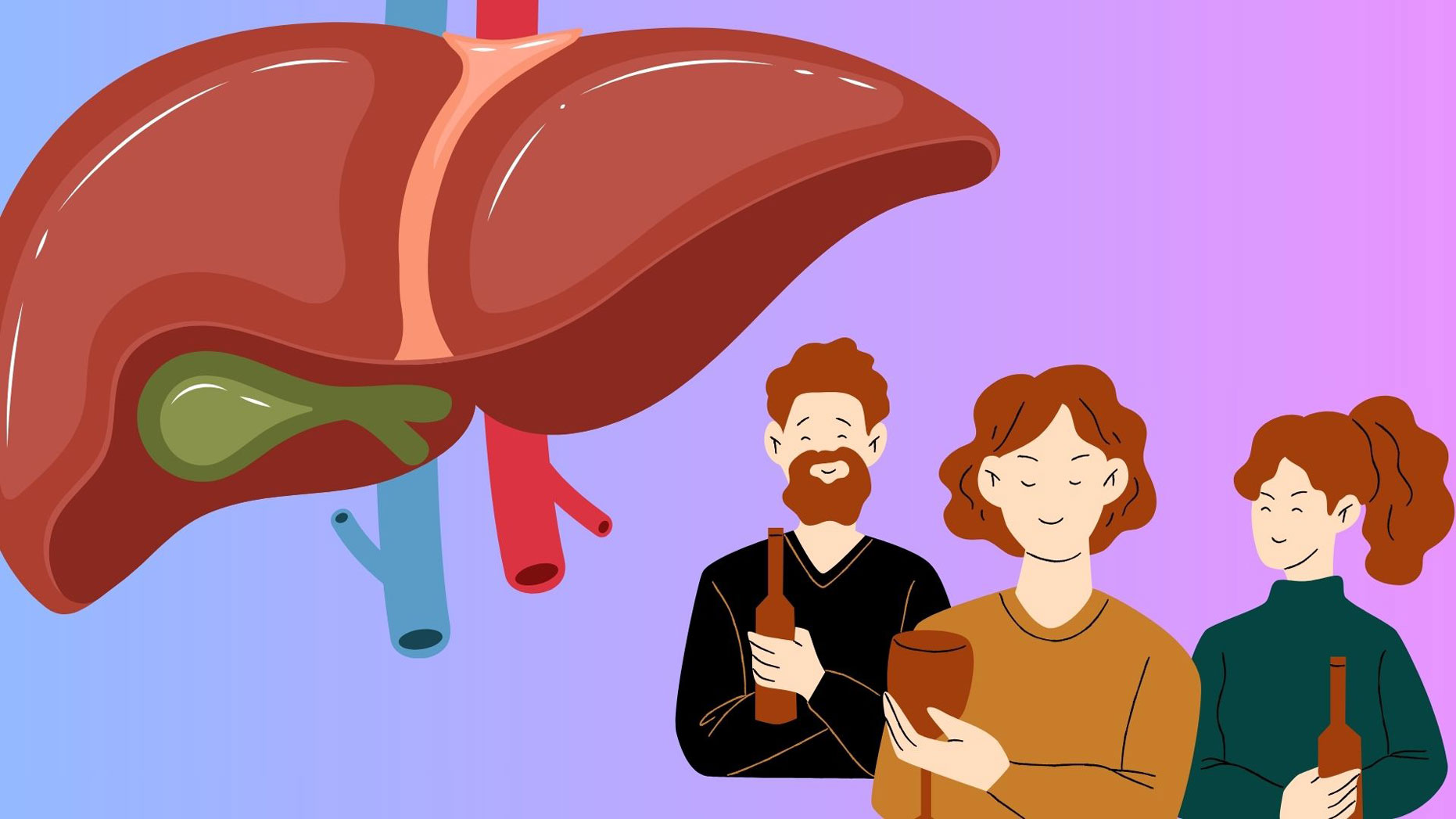
Excess sugar, especially from soft drinks and sweets, can be converted into fat and stored in the liver, increasing the risk of fatty liver disease.
2. Frequent alcohol consumption
Alcohol is one of the most well-known causes of liver damage. Over time, it can lead to inflammation, fat buildup, and even liver failure.
3. Overeating processed foods
Fast food, packaged snacks, and processed meats are often high in unhealthy fats and additives that burden the liver.
4. Lack of physical activity

A sedentary lifestyle can lead to weight gain and fat accumulation in the liver, increasing the risk of non-alcoholic fatty liver disease.
5. Skipping breakfast
Irregular eating patterns can disrupt metabolism and encourage fat storage in the liver.
6. Excessive intake of fried foods
Fried foods are high in trans fats and calories, which can contribute to fat buildup in liver cells.
7. Taking too many medications or supplements
Overuse of certain drugs or supplements without medical supervision can put extra stress on the liver.
8. Poor sleep habits
Chronic lack of sleep affects metabolism and may increase the risk of liver fat accumulation.
9. Smoking
Smoking introduces toxins into the body, increasing oxidative stress and making it harder for the liver to function properly.
10. Ignoring hydration
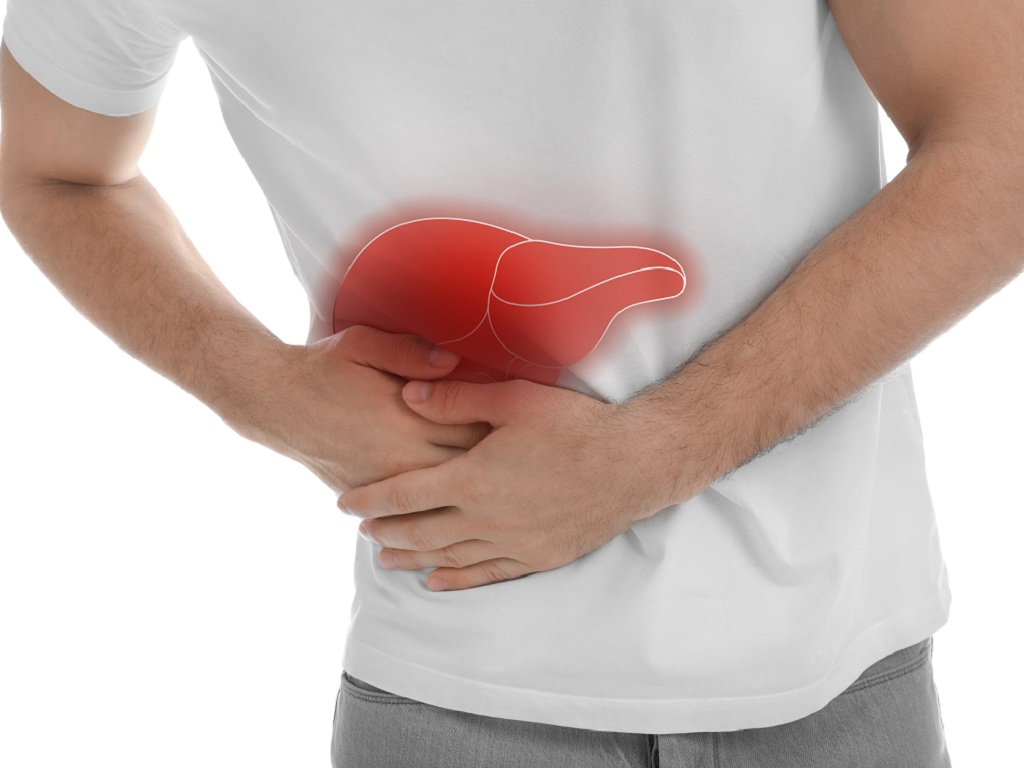
Not drinking enough water can reduce the liver’s ability to flush out toxins efficiently.
Final Thought
Fatty liver disease often develops silently, without obvious symptoms in the early stages. The good news is that many of these risk factors are lifestyle-related and can be improved with small, consistent changes.
Taking care of your liver today can protect your health for years to come.
11. Understanding Fatty Liver Disease: What Happens Inside Your Liver?
To understand why certain habits can affect liver health, it helps to know what fatty liver disease actually is.
The liver is one of the body's most important organs. It processes nutrients absorbed from food, produces bile to help digest fats, stores certain vitamins and minerals, helps regulate blood glucose, and breaks down many medications and other substances.
When excess fat accumulates inside liver cells, a person may develop a condition known as steatotic liver disease.
One common form is metabolic dysfunction-associated steatotic liver disease, or MASLD. This condition is associated with metabolic risk factors such as abdominal obesity, insulin resistance, type 2 diabetes, high triglycerides, and high blood pressure.
Alcohol can also cause fat to accumulate in the liver. Some people have more than one contributing factor, including metabolic risks and alcohol exposure.
Fat accumulation does not always mean that the liver has sustained serious damage. Many people have fatty liver without significant inflammation or scarring. In others, the condition can progress to liver inflammation and damage, fibrosis, cirrhosis, or, in some cases, liver cancer.
The progression varies from person to person.
This distinction matters because fatty liver disease is not simply the result of one bad meal or one unhealthy habit. It usually develops through a combination of biological, metabolic, genetic, and lifestyle factors.
The good news is that identifying the condition early can create an opportunity to reduce risk and protect liver function.
For people who have excess weight, improving nutrition, increasing physical activity, and achieving gradual, sustainable weight loss when medically appropriate can reduce liver fat. Managing diabetes, cholesterol, and blood pressure is also important.
However, people with advanced liver disease may need more specialized care. Anyone who suspects they have liver disease should seek medical assessment rather than relying solely on lifestyle changes.
12. Why Excess Added Sugar Can Increase Liver Fat
Sugar is an important source of energy, but consuming large amounts of added sugar regularly can contribute to metabolic problems.
Particular concern surrounds sugar-sweetened beverages such as soft drinks, sweetened tea, energy drinks, and some packaged fruit drinks. These beverages can deliver substantial amounts of sugar without creating the same feeling of fullness that many solid foods provide.
When energy intake consistently exceeds the body's needs, the liver can convert some excess carbohydrate into fat through a process called de novo lipogenesis. This process occurs naturally, but it can become more relevant when a person regularly consumes excess calories and large quantities of rapidly absorbed sugars.
Fructose, which is present in table sugar and many sweetened beverages, is metabolized substantially in the liver. High intake in the context of excess energy consumption can contribute to increased liver fat.
This does not mean that all sugar is equally harmful or that people must eliminate fruit.
Whole fruits contain water, fiber, vitamins, minerals, and other beneficial compounds. They also generally require more chewing and may be more filling than sugary drinks.
The practical distinction is between frequently consuming large amounts of added sugar and including reasonable portions of naturally occurring sugars within whole foods.
To reduce excess sugar intake, consider the following changes:
-
Replace soft drinks with water or unsweetened beverages more often.
-
Reduce the amount of sugar added to coffee and tea gradually.
-
Check nutrition labels for added sugars in packaged foods.
-
Choose whole fruit more frequently than fruit-flavored drinks.
-
Keep sweets as occasional foods rather than making them a daily source of excess calories.
People do not need to achieve a perfect diet overnight. Small changes that can be maintained are often more useful than strict restrictions that are difficult to follow.