When most people think about stroke, they often picture an older adult. However, strokes can occur at almost any age, including in teenagers, young adults, and people in their 20s, 30s, and 40s. Although stroke is less common in younger people than in older adults, studies suggest that the number of strokes among younger adults has increased in many parts of the world over the past few decades.
One reason strokes in young adults can be especially dangerous is that the symptoms are sometimes overlooked or mistaken for less serious conditions such as migraines, exhaustion, anxiety, or inner ear problems. Recognizing the warning signs quickly and seeking emergency medical care can make a significant difference, as timely treatment may improve outcomes and reduce the risk of long-term disability.
Here are 10 important stroke symptoms every young adult should know, along with information about why they matter and when to seek immediate medical attention.
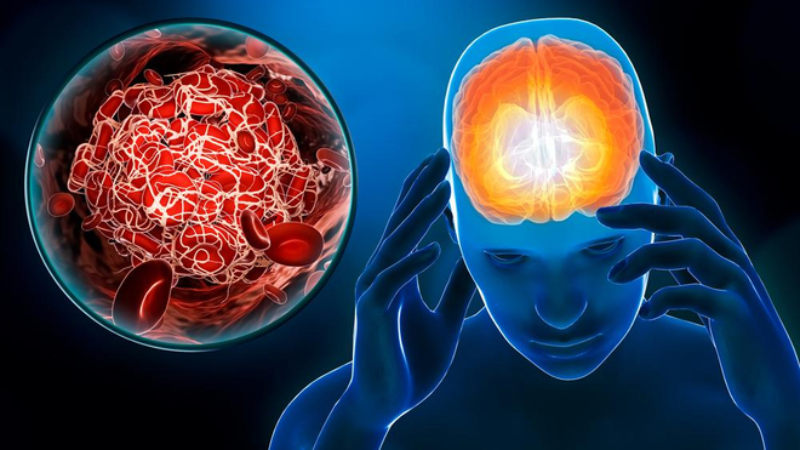
What Is a Stroke?
A stroke occurs when part of the brain does not receive enough blood flow or when a blood vessel in the brain ruptures.
There are two main types:
Ischemic stroke
-
Caused by a blockage in a blood vessel supplying the brain.
-
Accounts for most strokes.
Hemorrhagic stroke
-
Caused by bleeding in or around the brain.
-
Less common but often more severe.
In both cases, brain cells can begin to die within minutes due to a lack of oxygen and nutrients.
1. Sudden Weakness or Numbness on One Side of the Body
One of the most recognizable warning signs of stroke is sudden weakness or numbness affecting one side of the body.
It may involve:
-
One arm
-
One leg
-
One side of the face
-
The entire left or right side
Some people notice they cannot lift one arm normally or that one leg suddenly feels heavy or difficult to move.
Even if the symptoms improve after a few minutes, immediate medical evaluation is essential.
2. Facial Drooping
A stroke can affect the muscles that control facial movement.
You may notice:
-
One side of the mouth drooping
-
Difficulty smiling evenly
-
An uneven appearance when talking
-
Drooling
A simple way to check is to ask the person to smile. If one side of the face does not move normally, it may be a sign of stroke.
3. Difficulty Speaking or Understanding Speech
Stroke can affect the brain regions responsible for language.
Possible symptoms include:
-
Slurred speech
-
Difficulty finding words
-
Confusion
-
Speaking nonsensically
-
Trouble understanding what others are saying
Some individuals know exactly what they want to say but cannot produce the correct words.
4. Sudden Vision Changes
Stroke can affect one or both eyes.
Symptoms may include:
-
Blurred vision
-
Double vision
-
Partial vision loss
-
Complete vision loss in one eye
-
Difficulty seeing objects on one side
Sudden visual changes should never be ignored.
5. Loss of Balance or Coordination
Some strokes affect areas of the brain that control movement and balance.
A person may suddenly experience:
-
Dizziness
-
Trouble walking
-
Poor coordination
-
Frequent stumbling
-
Difficulty standing
While dizziness has many possible causes, sudden severe balance problems accompanied by other neurological symptoms require emergency evaluation.
6. A Sudden, Severe Headache
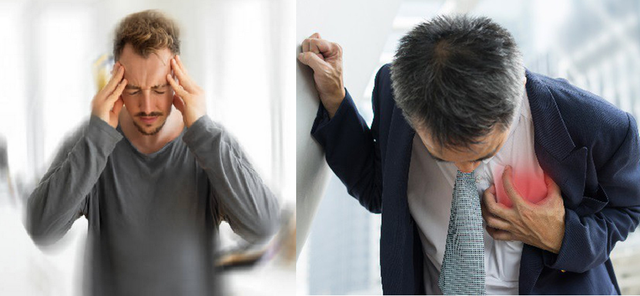
A hemorrhagic stroke may cause an abrupt, extremely severe headache that many people describe as:
"The worst headache of my life."
The headache may develop within seconds and may be accompanied by:
-
Vomiting
-
Neck stiffness
-
Confusion
-
Sensitivity to light
-
Loss of consciousness
A sudden severe headache unlike previous headaches should always be treated as a medical emergency.
7. Sudden Confusion
Some strokes primarily affect thinking rather than movement.
Warning signs include:
-
Confusion
-
Difficulty concentrating
-
Trouble following simple instructions
-
Forgetting familiar information
-
Acting unusually
Family members often notice these changes before the affected person does.
8. Difficulty Swallowing
Stroke may interfere with the muscles involved in swallowing.
Symptoms include:
-
Choking while eating
-
Coughing after drinking
-
Food feeling stuck
-
Difficulty swallowing saliva
Although less well known, swallowing problems can increase the risk of aspiration and should be evaluated promptly.
9. Sudden Fatigue or Extreme Weakness
Some people experience sudden, overwhelming fatigue during a stroke.
While fatigue alone is not a reliable sign of stroke, it may occur together with symptoms such as:
-
One-sided weakness
-
Confusion
-
Dizziness
-
Difficulty speaking
The combination of symptoms is particularly important.
10. Sudden Difficulty Walking
Walking may suddenly become difficult because of:
-
Weakness
-
Poor balance
-
Loss of coordination
-
Vision changes
-
Dizziness
Someone who was walking normally only moments earlier may suddenly struggle to take even a few steps safely.
Remember the FAST Warning Signs
A simple way to recognize many strokes is the FAST acronym:
F – Face
-
Ask the person to smile.
-
Does one side droop?
A – Arms
-
Ask them to raise both arms.
-
Does one arm drift downward?
S – Speech
-
Ask them to repeat a simple sentence.
-
Is speech slurred or difficult?
T – Time
-
If any of these signs are present, call emergency medical services immediately.
Some organizations also use BE FAST, adding:
B – Balance
-
Sudden loss of balance or coordination.
E – Eyes
-
Sudden changes in vision.
Why Can Stroke Occur in Young Adults?
Although age remains one of the strongest risk factors for stroke, younger adults can also experience strokes.
Potential risk factors include:
-
High blood pressure
-
Smoking
-
Diabetes
-
High cholesterol
-
Obesity
-
Physical inactivity
-
Excessive alcohol use
-
Certain heart conditions
-
Blood clotting disorders
-
Migraine with aura (for some individuals)
-
Pregnancy and the postpartum period
-
Certain illicit drugs, such as cocaine or methamphetamine
In some cases, no clear cause is identified even after extensive evaluation.
How to Reduce Stroke Risk
While not all strokes can be prevented, healthy lifestyle choices may help lower risk.
Consider these habits:
-
Monitor and manage blood pressure.
-
Eat a balanced diet rich in vegetables, fruits, whole grains, lean proteins, and healthy fats.
-
Exercise regularly.
-
Avoid smoking and secondhand smoke.
-
Limit alcohol consumption.
-
Manage diabetes and cholesterol if present.
-
Maintain a healthy body weight.
-
Get adequate sleep.
-
Keep regular medical appointments.
If you have specific medical conditions or a family history of stroke, work with your healthcare provider to develop an appropriate prevention plan.
What Should You Do If You Suspect a Stroke?
If you or someone nearby develops sudden stroke symptoms:
-
Call emergency medical services immediately.
-
Note the time when symptoms first began or when the person was last known to be well.
-
Do not drive yourself to the hospital if emergency services are available.
-
Do not wait to see if symptoms improve.
-
Do not give food, drinks, or medications unless instructed by healthcare professionals.
Rapid evaluation is critical because some treatments for ischemic stroke are only effective within specific time windows after symptom onset.
Final Thoughts
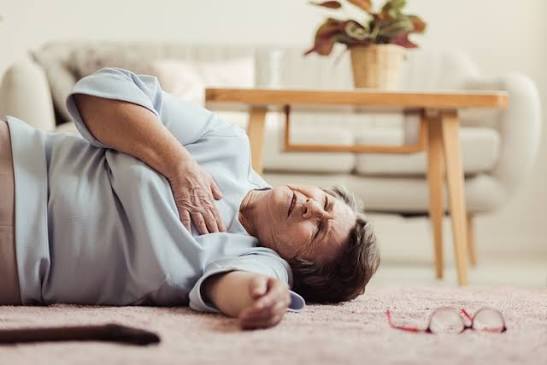
Stroke is often thought of as a condition that only affects older adults, but the reality is that it can occur in younger people as well. Sudden weakness, facial drooping, difficulty speaking, vision changes, severe headache, loss of balance, confusion, swallowing problems, and trouble walking are all symptoms that deserve immediate medical attention when they appear suddenly.
Recognizing these warning signs and acting quickly can be lifesaving. Remember the FAST or BE FAST approach, call emergency medical services without delay, and never assume that someone is "too young" to have a stroke. Early diagnosis and prompt treatment offer the best chance of reducing brain injury, improving recovery, and preventing long-term disability.