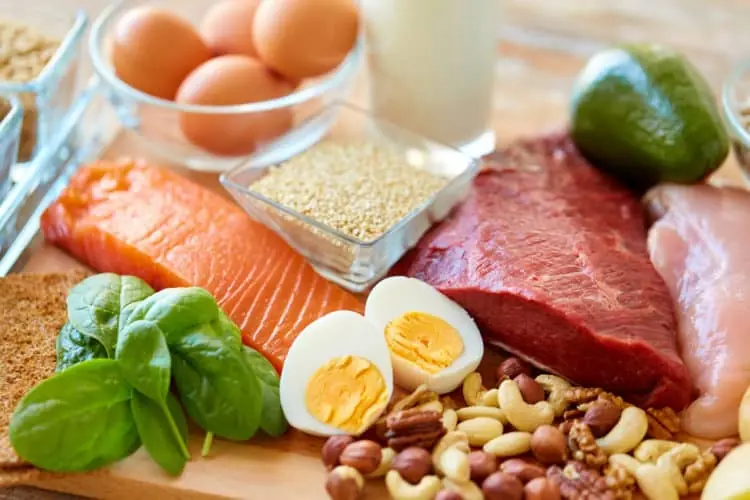
12 Nutrient-Rich Foods That May Help Support Can.cer Prevention
Top 12 Foods Associated With Better Health and a Lower Risk of Some Can.cers
Health 29/07/2026 11:59
Cancer is not caused or prevented by a single food. Genetics, age, environmental exposures, infections, tobacco use, alcohol consumption, body weight, physical activity, and many other factors can influence a person's risk.
However, diet is one part of the picture that we can influence.
Research consistently supports eating patterns rich in vegetables, fruits, whole grains, legumes, and other minimally processed plant foods. These foods provide fiber, vitamins, minerals, and phytochemicals that support normal body functions and may contribute to a lower risk of certain cancers when consumed as part of an overall healthy lifestyle.
At the same time, no food can "kill cancer cells," guarantee cancer prevention, or replace appropriate screening and medical treatment.
With that distinction in mind, here are 10 nutrient-packed foods worth including regularly in a balanced diet.
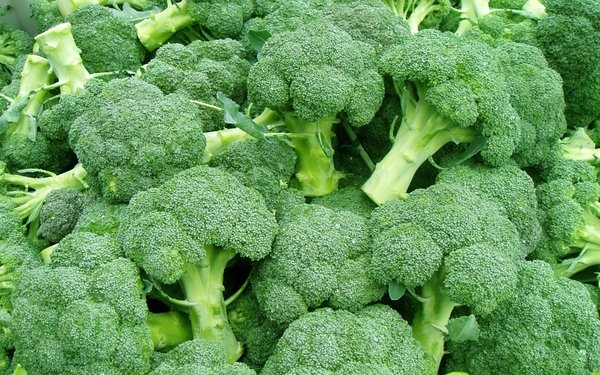
Broccoli belongs to the cruciferous vegetable family, along with cauliflower, cabbage, Brussels sprouts, kale, and bok choy.
These vegetables contain natural compounds called glucosinolates. When cruciferous vegetables are chopped or chewed, glucosinolates can be converted into biologically active compounds such as isothiocyanates.
One of the most studied is sulforaphane.
Laboratory studies have investigated sulforaphane for its effects on cellular processes related to oxidative stress and carcinogen metabolism. Human research continues to explore how cruciferous vegetable consumption relates to cancer risk.
Broccoli also provides:
Vitamin C
Vitamin K
Folate
Fiber
Potassium
Try lightly steaming or roasting broccoli and serving it with olive oil, garlic, lemon, or herbs.
Avoid relying exclusively on supplements claiming to provide concentrated broccoli compounds. Eating the whole vegetable provides fiber and a broader range of nutrients.
Blueberries, strawberries, raspberries, and blackberries are excellent sources of plant compounds and dietary fiber.
Their bright colors come partly from compounds such as anthocyanins, which have antioxidant properties.
Berries also provide vitamin C and numerous polyphenols.
Antioxidants help the body manage oxidative stress, but it's important not to oversimplify their role. Eating antioxidant-rich foods does not mean they directly "destroy" cancer cells.
Instead, berries are valuable because they contribute to a healthy dietary pattern associated with better overall health.
Add berries to:
Oatmeal
Plain yogurt
Smoothies
Whole-grain cereal
Or simply eat them fresh as a snack.
Frozen unsweetened berries can be just as convenient and nutritious.
Tomatoes are particularly well known for containing lycopene, the carotenoid responsible for much of their red color.
Lycopene has attracted scientific interest because observational research has examined possible relationships between tomato consumption and the risk of certain cancers, particularly prostate cancer.
The evidence is not strong enough to claim that tomatoes prevent cancer on their own, but tomatoes remain an excellent component of a nutritious diet.
Interestingly, cooking tomatoes can make some lycopene more available for absorption.
Tomato products such as:
Tomato sauce
Tomato paste
Cooked tomatoes
can therefore be valuable sources.
Eating tomatoes with a small amount of healthy fat, such as olive oil, may further improve carotenoid absorption.
Beans deserve much more attention than they often receive.
Black beans, kidney beans, chickpeas, lentils, and other legumes provide an impressive combination of:
Dietary fiber
Plant protein
Folate
Potassium
Magnesium
Resistant starch
Fiber is especially important.
Higher consumption of fiber-rich foods and whole grains is associated with a reduced risk of colorectal cancer.
Fiber also supports regular bowel movements and provides fuel for beneficial gut bacteria.
These bacteria ferment certain fibers and produce compounds such as short-chain fatty acids, which contribute to normal colon health.
Use beans in:
Soups
Salads
Chili
Curries
Whole-grain bowls
Replacing some processed meat with legumes is another practical way to improve overall dietary quality.
Whole grains retain more of the grain's original structure than refined grains.
Examples include:
Oats
Brown rice
Barley
Quinoa
Whole wheat
Rye
Whole grains provide fiber along with vitamins, minerals, and numerous plant compounds.
Evidence linking whole-grain and fiber consumption with lower colorectal cancer risk is particularly important.
Compare oatmeal with a heavily sweetened refined breakfast pastry.
Both provide carbohydrates, but their nutritional profiles are very different.
Whole grains generally provide substantially more fiber and micronutrients.
A simple strategy is to replace some refined grain products with whole-grain alternatives rather than trying to completely overhaul your diet overnight.
Leafy greens include:
Spinach
Kale
Collard greens
Romaine lettuce
Swiss chard
They provide nutrients such as:
Folate
Vitamin K
Carotenoids
Vitamin C
Fiber
Folate is involved in DNA synthesis and cell division, making adequate intake important for normal cellular function.
However, this doesn't mean taking enormous doses of folic acid supplements provides additional cancer protection. Nutrients obtained from whole foods behave within a complex dietary environment, and more is not always better.
Try adding leafy greens to:
Omelets
Soups
Salads
Stir-fries
Sandwiches
Grain bowls
Eating a variety of greens provides a broader nutritional profile than relying on one vegetable alone.

Garlic, onions, leeks, and related vegetables belong to the Allium family.
They contain sulfur-containing compounds that have attracted scientific interest for their potential biological effects.
Population studies have explored relationships between higher consumption of Allium vegetables and certain cancer outcomes, but results vary and cannot prove that garlic itself prevents cancer.
Still, garlic and onions offer another important benefit: they add substantial flavor without requiring large amounts of salt, sugar, or heavy sauces.
Use them to season:
Vegetables
Fish
Beans
Soups
Whole grains
Lean meats
Garlic supplements should not automatically be considered equivalent to eating garlic as food, particularly because concentrated supplements may interact with medications.
Walnuts are rich in:
Unsaturated fats
Plant-based omega-3 fatty acid ALA
Fiber
Protein
Polyphenols
Nuts are associated with several aspects of cardiovascular and metabolic health, making them a valuable component of a balanced eating pattern.
Research has also examined walnuts and cancer-related biological pathways, but human evidence does not justify describing walnuts as a cancer treatment.
A small handful can make a nutritious snack.
Walnuts can also be added to:
Oatmeal
Yogurt
Salads
Whole-grain dishes
Because nuts are energy-dense, portion awareness is useful.
Fish such as salmon, sardines, trout, and mackerel provide long-chain omega-3 fatty acids, including EPA and DHA.
They are also excellent sources of high-quality protein.
Depending on the species, fish may provide:
Vitamin D
Vitamin B12
Selenium
Iodine
The strongest reasons to include fish in a healthy diet relate to cardiovascular health and its value as a nutrient-rich alternative to some processed or high-saturated-fat meats.
Choosing fish more often may also help diversify protein sources.
Cooking methods matter.
Favor:
Baking
Grilling
Steaming
Poaching
over frequent deep-frying.
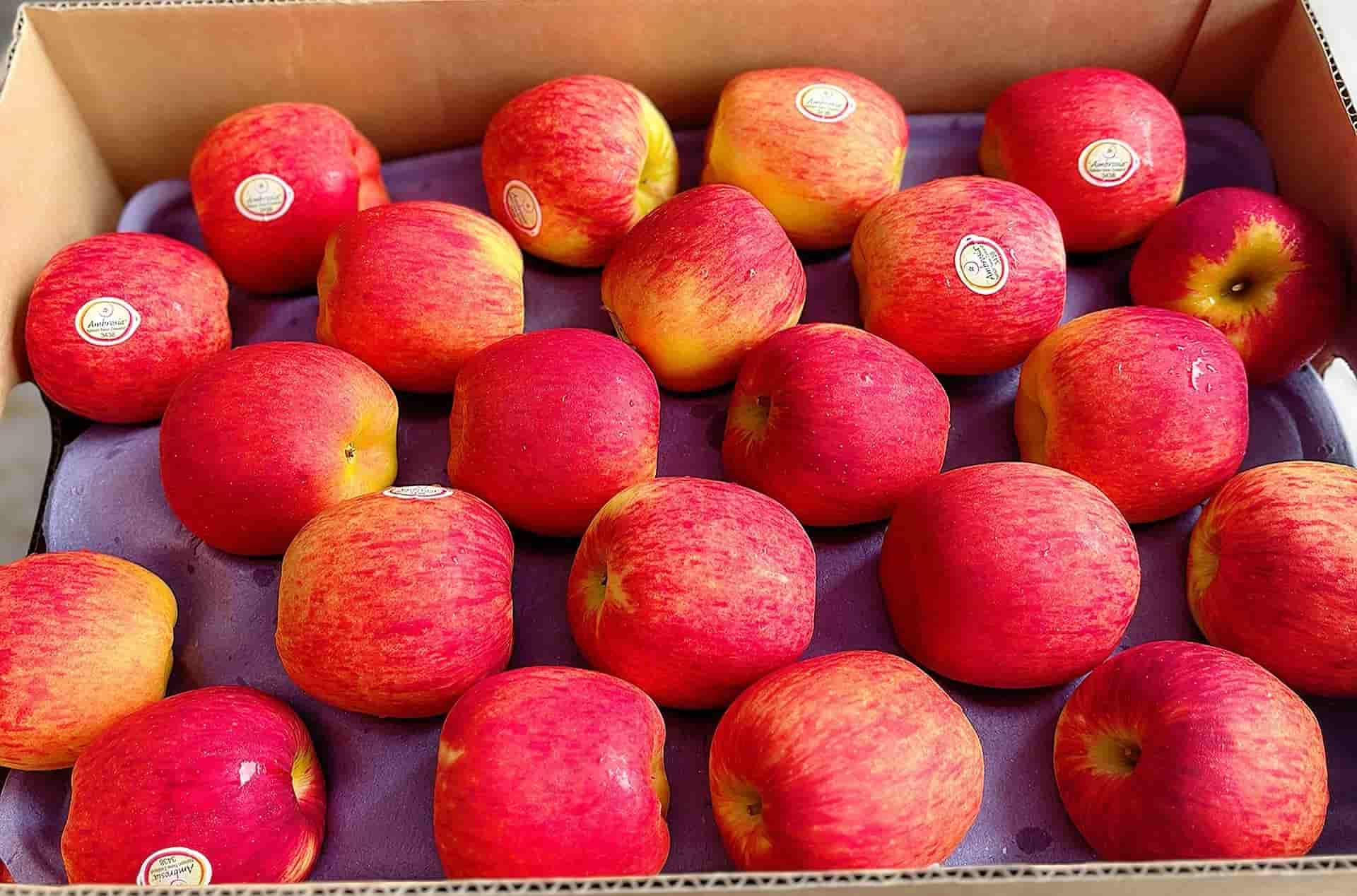
Apples may seem ordinary compared with foods marketed as exotic "superfoods," but they deserve a place on this list.
Apples provide:
Fiber
Vitamin C
Flavonoids
Other polyphenols
Much of their fiber and many plant compounds are found in or near the peel, so eating the skin can be beneficial when appropriate.
Apples also make an easy replacement for highly processed snacks.
Pair an apple with a small serving of nuts or unsweetened nut butter for a more satisfying snack containing carbohydrates, fiber, protein, and healthy fats.
When discussing diet and cancer prevention, fiber is one of the most important nutritional components to understand.
Foods naturally rich in fiber include:
Whole grains
Beans
Lentils
Vegetables
Fruits
Nuts
Seeds
Higher fiber intake is associated with better digestive health and, importantly, a lower risk of colorectal cancer.
Fiber can also promote fullness, helping with weight management.
That matters because maintaining a healthy body weight is another important component of reducing the risk of several cancers.
One of the biggest mistakes in nutrition is focusing too heavily on individual "superfoods."
Imagine eating broccoli every evening but spending the rest of the day consuming sugary drinks, processed meats, refined snacks, and very little fiber.
The broccoli doesn't magically cancel out the rest of the dietary pattern.
Instead, aim to make nutrient-rich foods the foundation of your everyday meals.
A balanced plate might include:
Half the plate: vegetables and fruit
One quarter: whole grains or another high-fiber carbohydrate
One quarter: beans, fish, poultry, eggs, tofu, or another protein source
Add modest amounts of healthy fats such as olive oil, nuts, seeds, or avocado.
Cancer prevention isn't only about what you add to your diet. It's also about what you limit.
Processed meats include products such as:
Bacon
Sausages
Hot dogs
Ham
Salami
The International Agency for Research on Cancer has classified processed meat as carcinogenic to humans based on evidence linking consumption particularly with colorectal cancer.
This doesn't mean eating one hot dog will cause cancer.
Risk relates to repeated exposure over time.
Reducing habitual processed meat consumption is therefore a reasonable preventive strategy.
Red meat provides valuable nutrients, including protein, iron, zinc, and vitamin B12.
However, high consumption—particularly when combined with substantial processed meat intake—has been associated with colorectal cancer risk.
Moderation and variety are sensible.
Consider rotating protein sources among:
Fish
Beans
Lentils
Poultry
Eggs
Tofu
Other minimally processed options
Alcohol deserves particular attention because the relationship between alcohol consumption and several cancers is well established.
Alcohol consumption is associated with increased risk of cancers including those affecting the:
Breast
Liver
Mouth
Throat
Esophagus
Colorectum
From a cancer-risk perspective, less alcohol is better.
People who don't drink alcohol do not need to start for health reasons.
You may have heard the claim:
"Sugar feeds cancer."
This statement is misleading when taken literally.
All cells in the body—including healthy cells—use glucose for energy.
Simply eliminating sugar cannot selectively starve cancer cells.
However, diets containing excessive amounts of sugary drinks and calorie-dense processed foods can contribute to weight gain.
Excess body fat is associated with an increased risk of several cancers.
So reducing added sugar can still be beneficial, just not for the simplistic reason often presented online.
This is another area where caution is necessary.
Taking high doses of isolated vitamins or antioxidants is not equivalent to eating vegetables and fruits.
Some high-dose supplements have failed to prevent cancer in clinical trials, and certain supplements have even been associated with harm in specific populations.
Unless you have a diagnosed deficiency or another medical reason for supplementation, focus primarily on obtaining nutrients through food.
Discuss supplements with a healthcare professional, particularly if you take prescription medications.
Diet is only one part of cancer prevention.
Regular physical activity is associated with a lower risk of several cancers and provides numerous additional health benefits.
For most adults, a useful general target is at least 150 minutes of moderate-intensity physical activity per week, along with muscle-strengthening activities.
Even ordinary movement counts.
Walking, cycling, gardening, swimming, dancing, and active household tasks can all contribute.
Excess body fat is associated with an increased risk of multiple cancers.
Healthy weight management does not require extreme diets.
Instead, focus on sustainable habits:
Eat mostly minimally processed foods.
Include plenty of fiber.
Limit sugary beverages.
Stay physically active.
Get adequate sleep.
Pay attention to portion sizes.
Small habits maintained for years are more meaningful than short-term restrictive diets.
No discussion about lowering cancer risk would be complete without mentioning tobacco.
Smoking is a major cause of cancer and is linked not only to lung cancer but also to cancers affecting several other organs.
Eating blueberries, broccoli, or any other healthy food cannot neutralize the harmful effects of smoking.
For people who smoke, quitting is one of the most powerful steps available for improving long-term health.
Even an excellent lifestyle cannot eliminate cancer risk.
Age, genetics, family history, infections, and environmental factors can still play significant roles.
That's why recommended cancer screening remains important.
Depending on age and individual risk, screening may include tests for:
Colorectal cancer
Breast cancer
Cervical cancer
Lung cancer in eligible high-risk individuals
Other cancers when medically appropriate
Screening can sometimes detect cancer or precancerous changes before symptoms appear.
You don't need a complicated "anti-cancer diet."
A normal day might look like this:
Oatmeal topped with blueberries and walnuts.
A whole-grain bowl containing leafy greens, chickpeas, tomatoes, onions, and olive oil.
An apple with a small handful of nuts.
Baked salmon with broccoli and brown rice.
This simple pattern naturally provides:
Fiber
Protein
Healthy fats
Vitamins
Minerals
Numerous plant compounds
without relying on supplements or miracle ingredients.
There is no single food proven to prevent every cancer.
Dietary patterns matter much more.
Antioxidants perform important biological functions, but eating antioxidant-rich foods should not be confused with cancer treatment.
Eating plenty of vegetables and fruits matters more than treating the "organic" label as a guarantee against disease.
Your liver, kidneys, lungs, and digestive system already perform the body's primary waste-processing functions.
There is no special juice or detox drink proven to cleanse the body of cancer.
General healthy-eating recommendations aren't appropriate for every medical situation.
Personalized guidance may be particularly useful for people who:
Are currently receiving cancer treatment
Have chronic kidney disease
Have significant digestive disorders
Have diabetes
Have major unintended weight loss
Take medications affected by particular foods
Have specific nutritional deficiencies
Cancer patients should especially avoid making major dietary or supplement changes without discussing them with their oncology team.
The strongest evidence doesn't point toward one miracle food.
Instead, it points toward an overall lifestyle.
Foods such as broccoli, berries, tomatoes, beans, whole grains, leafy greens, garlic, walnuts, fatty fish, and apples provide fiber, vitamins, minerals, healthy fats, and beneficial plant compounds that can contribute to long-term health.
Eating more of these foods can also naturally leave less room for heavily processed foods, processed meats, and other choices that are best limited.
But nutrition works best alongside other preventive measures:
Don't smoke.
Limit alcohol.
Stay physically active.
Maintain a healthy body weight.
Protect your skin from excessive UV exposure.
Receive recommended vaccinations.
Participate in appropriate cancer screening.
Cancer is a complex group of diseases, and no food can guarantee that you will never develop it. However, the choices you make every day can influence some of the risk factors associated with cancer and other chronic diseases.
A diet centered around vegetables, fruits, whole grains, legumes, nuts, seeds, and appropriate protein sources provides a strong nutritional foundation.
The goal isn't to obsess over "cancer-fighting superfoods."
It's to create a dietary pattern you can maintain for years.
Adding broccoli to dinner, putting berries on your oatmeal, replacing refined grains with whole grains, eating beans more often, choosing fruit instead of heavily processed snacks, and rotating fish into your weekly meals are all small decisions.
Individually, none is miraculous.
Together—and combined with physical activity, tobacco avoidance, limited alcohol intake, healthy weight management, and recommended medical screening—they can become part of a powerful long-term strategy for supporting overall health and reducing the risk of certain cancers.
Top 12 Foods Associated With Better Health and a Lower Risk of Some Can.cers
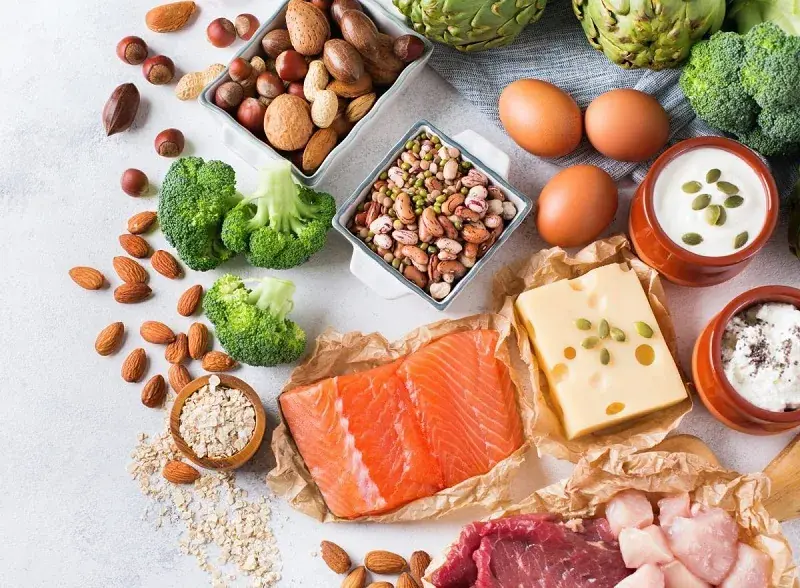
9 Everyday Foods Rich in Protein That Support Muscle and Whole-Body Health

Passing Gas More Than 25 Times a Day? Here's What It Could Mean

Don't Brush Off These 6 Bathroom Changes—Here's Why They Matter.

Are You Getting Enough Iron? Signs of Deficiency and Tips to Increase Iron Naturally
You Might Want to Start Eating Bananas at Night After Learning This. 🍌✨
These 9 Early Symptoms Could Be Your Liver Asking for Attention
An Aneurysm Can Be Silent—But These Symptoms May Be Important.
These 7 Symptoms Could Signal a Higher Risk of a Heart Attack—Know When to Seek Medical Care. 👇

A Lump Behind Your Ear Could Have Several Causes

What Your Swollen Feet and Ankles Might Be Saying About Your Health.

Think You Know Okra? Here Are 16 Surprising Facts

Bruises That Appear Out of Nowhere? Here's What Medical Experts Recommend.
Your Feet Could Be Telling You More About Your Health Than You Realize. Here's Why.
Too Much of a Good Thing? What Excess Peanut Consumption May Do to Your Body.

Night Leg Cramps May Be More Than Just an Annoyance. Here's Why.

What Makes These Perfect Square Waves So Incredibly Dangerous?
Garlic's Hidden Risks Most People Never Hear About
Are These Hard Bumps on Your Fingers a Warning Sign?

Top 12 Foods Associated With Better Health and a Lower Risk of Some Can.cers
9 Everyday Foods Rich in Protein That Support Muscle and Whole-Body Health

Rice Water for Your Skin: 5 Uses You Should Know About
Passing Gas More Than 25 Times a Day? Here's What It Could Mean

The Girl Who Met Her Ex at His Wedding
Don't Brush Off These 6 Bathroom Changes—Here's Why They Matter.
Are You Getting Enough Iron? Signs of Deficiency and Tips to Increase Iron Naturally
You Might Want to Start Eating Bananas at Night After Learning This. 🍌✨
These 9 Early Symptoms Could Be Your Liver Asking for Attention
An Aneurysm Can Be Silent—But These Symptoms May Be Important.

A Lunch Filled with Kindness
These 7 Symptoms Could Signal a Higher Risk of a Heart Attack—Know When to Seek Medical Care. 👇
A Lump Behind Your Ear Could Have Several Causes
What Your Swollen Feet and Ankles Might Be Saying About Your Health.
Think You Know Okra? Here Are 16 Surprising Facts
Bruises That Appear Out of Nowhere? Here's What Medical Experts Recommend.
Your Feet Could Be Telling You More About Your Health Than You Realize. Here's Why.
Too Much of a Good Thing? What Excess Peanut Consumption May Do to Your Body.