If you have visible veins, it means you are...
Prominent veins are often harmless, but they can reveal useful clues.
⏱️ 1 min read 16/08/2026 18:56
When people hear the phrase “cancer-fighting foods,” it is easy to imagine that certain fruits or vegetables can directly destroy cancer cells or prevent cancer from ever developing.
The reality is more nuanced.
No single food can prevent or cure cancer. Cancer is influenced by genetics, age, infections, tobacco and alcohol exposure, body weight, physical activity, environmental factors, and many other variables.
However, research consistently suggests that dietary patterns rich in vegetables, fruits, whole grains, legumes, nuts, and other minimally processed foods are associated with better long-term health. Many plant foods contain fiber, vitamins, minerals, and phytochemicals that may influence inflammation, oxidative stress, hormone metabolism, and other biological processes involved in disease.
Instead of searching for one miracle ingredient, it makes more sense to regularly include a wide variety of nutrient-rich foods.
Here are 10 foods worth adding to a balanced diet.
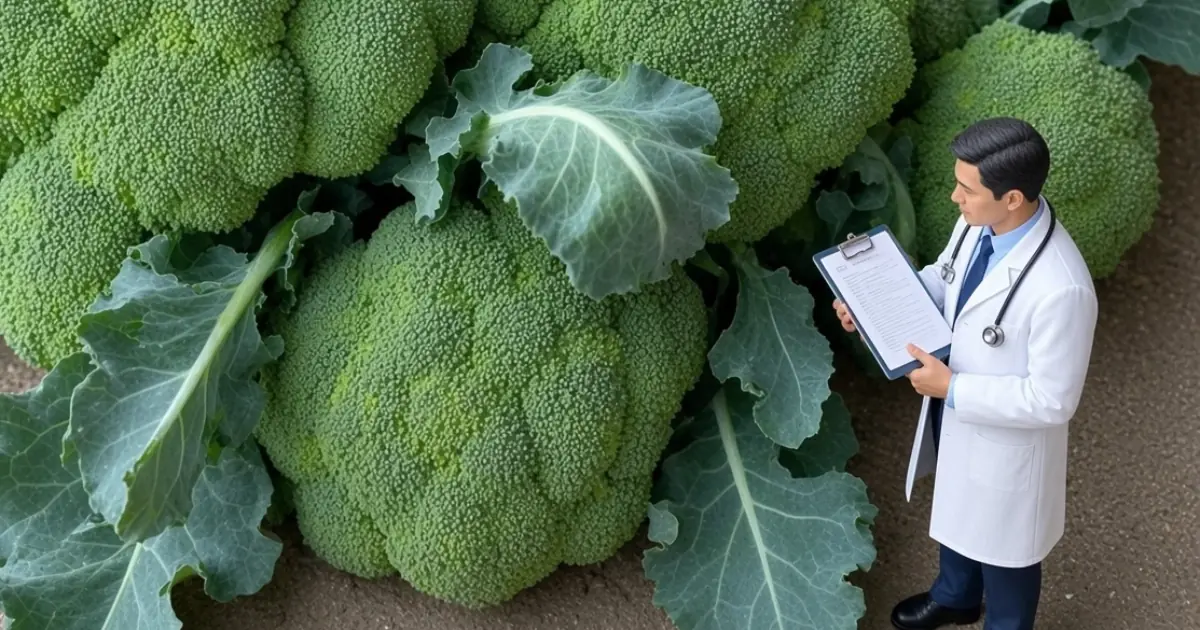
Broccoli belongs to the cruciferous vegetable family, along with cabbage, cauliflower, Brussels sprouts, and kale.
These vegetables contain compounds called glucosinolates, which can be converted into biologically active substances such as sulforaphane and indole compounds.
Researchers have studied these substances for their potential effects on cellular defense mechanisms and other processes related to cancer development.
That does not mean broccoli “kills cancer.”
Instead, broccoli is valuable because it is high in fiber and nutrients while being relatively low in calories.
Try adding steamed, roasted, or lightly sautéed broccoli to meals several times a week.
Blueberries, strawberries, raspberries, blackberries, and other berries contain fiber, vitamin C, and polyphenols.
One group of compounds that receives considerable attention is anthocyanins, which contribute to the red, blue, and purple colors of many berries.
Laboratory research has identified various biological effects of berry compounds, including antioxidant and anti-inflammatory activity.
Again, laboratory findings do not mean that eating berries can treat cancer in humans.
Their practical advantage is simpler: berries are nutrient-dense foods that can replace less nutritious desserts and snacks.
Add them to oatmeal, plain yogurt, smoothies, or simply eat them fresh.
Frozen berries are also a convenient option and can retain much of their nutritional value.
Apples are another useful source of dietary fiber and plant compounds.
Much of the fiber is found in the skin, so washing an apple thoroughly and eating it with the skin can increase its fiber contribution.
Fiber supports digestive health and helps maintain normal bowel function. Higher dietary fiber intake is associated with a lower risk of colorectal cancer.
Apples also contain polyphenols that researchers continue to investigate for their potential health effects.
You don't need to eat a particular variety to receive benefits.
A simple apple can make an easy snack and may be a better everyday choice than highly processed sweets.
Spinach, kale, collard greens, lettuce, and other leafy vegetables provide a wide range of nutrients.
Depending on the specific vegetable, they can provide folate, vitamin K, carotenoids, vitamin C, fiber, and other plant compounds.
Their nutritional value makes them an excellent foundation for a healthy eating pattern.
Try adding leafy greens to salads, soups, stir-fries, sandwiches, omelets, or grain bowls.
The goal isn't to consume enormous quantities of one “superfood.”
Variety matters.
Rotating different vegetables gives you access to a broader range of nutrients and phytochemicals.
Tomatoes are particularly notable for their content of lycopene, a carotenoid responsible for their red color.
Lycopene has been extensively studied in relation to cardiovascular health and cancer, particularly prostate cancer.
Research has produced interesting associations, although it does not establish tomatoes as a treatment or guaranteed cancer-prevention food.
Interestingly, cooking tomatoes can increase the bioavailability of lycopene, especially when they are prepared with a small amount of healthy fat.
That means tomato sauce, cooked tomatoes, and fresh tomatoes can all have a place in a balanced diet.
Choose preparations that are not overloaded with added sugar, sodium, or highly processed ingredients.
Garlic contains sulfur-containing compounds that are responsible for its distinctive smell and flavor.
When garlic is chopped or crushed, various sulfur compounds are produced, and researchers have investigated their potential effects on cellular pathways, inflammation, and other biological processes.
Some observational research has suggested possible associations between higher consumption of allium vegetables—such as garlic and onions—and lower risk of certain cancers.
But garlic should not be treated as a medicine.
There is no evidence that eating raw garlic can cure cancer.
Instead, use garlic regularly as a flavorful ingredient. It can help make healthy meals more enjoyable without requiring excessive salt or unhealthy sauces.
Beans, chickpeas, peas, and lentils are excellent sources of fiber and plant-based protein.
Their fiber content is particularly important for digestive health.
Fiber reaches the colon and interacts with gut bacteria, which can produce short-chain fatty acids and other metabolites that influence the intestinal environment.
Higher fiber intake is associated with a lower risk of colorectal cancer.
Legumes are also useful because they can replace some processed or red meat meals.
Try adding lentils to soups, chickpeas to salads, or beans to grain bowls and vegetable dishes.
A diet that includes more legumes naturally creates more opportunities to eat fiber-rich foods.
Almonds, walnuts, pistachios, chia seeds, flaxseeds, and other nuts and seeds provide healthy fats, protein, fiber, minerals, and various plant compounds.
They are calorie-dense, so portion size matters, but a small serving can be a nutritious addition to meals.
Nuts have been associated with several positive health outcomes in observational research, particularly when they replace less nutritious snacks.
Rather than choosing heavily salted or sugar-coated varieties, opt for plain or lightly processed nuts and seeds when possible.
Sprinkle them over oatmeal, yogurt, salads, or vegetables.
Whole grains include foods such as oats, brown rice, barley, whole-wheat products, and other minimally refined grains.
Unlike refined grains, whole grains retain more of the grain's natural components, including fiber.
Dietary fiber is particularly relevant to colorectal health.
Eating whole grains regularly can also help create a more balanced dietary pattern by replacing refined carbohydrates and highly processed foods.
You don't need to completely eliminate white rice or refined grains.
Instead, gradually incorporate more whole grains into your meals according to your preferences and dietary needs.
Green tea contains polyphenols called catechins, including epigallocatechin gallate (EGCG).
These compounds have been extensively studied in laboratory and observational research because of their biological activity.
However, evidence that drinking green tea prevents cancer in humans is not strong enough to treat it as a cancer-prevention medicine.
Still, unsweetened green tea can be a healthy beverage choice.
It provides hydration without the large amount of added sugar found in many soft drinks and sweetened beverages.
If you enjoy it, drinking green tea can be one small part of a healthier overall lifestyle.
The biggest mistake people make with cancer-related nutrition is focusing too heavily on individual foods.
Cancer prevention is not a smoothie recipe.
Eating broccoli every day does not cancel out smoking. Drinking green tea does not make heavy alcohol consumption safe. Eating berries does not compensate for an otherwise poor diet.
The strongest approach is a long-term dietary pattern.
Aim for a variety of colorful vegetables and fruits, whole grains, legumes, nuts, and seeds. Choose fish, poultry, or other appropriate protein sources regularly, while limiting processed meat and excessive alcohol.
Maintaining a healthy body weight and staying physically active are also important components of cancer prevention.
A cancer-conscious diet is not only about what you add.
It is also about what you consume less often.
Try to limit processed meats, excessive alcohol, heavily charred foods, highly processed foods, and sugary drinks.
Processed meat has a particularly strong association with colorectal cancer, while alcohol is associated with several types of cancer.
Reducing these exposures may be more meaningful than obsessing over whether you ate enough of one particular “superfood.”
Broccoli, berries, apples, leafy greens, tomatoes, garlic, beans, nuts, whole grains, and green tea can all contribute to a nutrient-rich dietary pattern.
They contain fiber, vitamins, minerals, and plant compounds that may support overall health and are associated with favorable health outcomes.
But none of these foods should be described as a guaranteed cancer cure or a magic shield against cancer.
The most effective strategy is consistency.
Eat a wide variety of plant foods. Get enough fiber. Choose minimally processed foods more often. Limit processed meat and excessive alcohol. Stay physically active. Avoid tobacco. Maintain a healthy weight and follow recommended cancer-screening guidelines for your age and risk level.
Most importantly, don't let dramatic headlines make you think that one food determines your cancer risk.
Your overall lifestyle matters far more than any single ingredient.
A colorful plate filled with vegetables, fruits, whole grains, legumes, and other minimally processed foods isn't a miracle cure—but it is one of the most practical foundations for long-term health.
Prominent veins are often harmless, but they can reveal useful clues.
3 selfish habits of husbands that increase their wives’ risk of cer.vical c.a.n.c.e.r 3 selfish habits of husbands that increase their wives’ risk of cer.vical c.a.n.c.e.r
Visible hand veins are often harmless, but sometimes reflect body changes.
This affordable organ meat offers nutrients many diets are missing.
If you drool in the sleep, this is what happen... See more
Beef Isn't the Enemy—But This Common Mistake Could Harm Your Heart
Doctors Warn: Stop Cooking Eggs These 4 Ways Before Your Next Breakfast!
Could Your Diet Influence Can.cer Risk? Here Are 11 Foods to Know About...
Why Are Your Hands Numb or Tingling? Common Causes Explained
These 2 Sleep-Related Signs Could Be More Important Than You Think
You Eat Broccoli, But Do You Know What It May Be Doing Inside Your Body?… See More

Want Better Circulation? These 6 Simple Habits Could Be a Good Place to Start…
Your Body May Be Signaling Fatty Liver Disease - 8 Signs to Know
One Simple Question to Ask Before You Agree to a Colonoscopy—Don’t Skip It…

Seeing White Spots on Your Arms or Legs? Your Skin May Be Giving You a Clue… See More

What Do Those Tiny Red Dots Mean? Here’s When They May Deserve Attention…

Do You Regularly Wake Up at 2–3 AM? Here’s What to Know

From Fatigue to Muscle Cramps: 32 Possible Clues You May Be Low in Magnesium…

Biohack Your Morning: 5 Routines to Skyrocket Your Daily Energy
Some everyday appliances can overload power strips and create hazards.
Prominent veins are often harmless, but they can reveal useful clues.
3 selfish habits of husbands that increase their wives’ risk of cer.vical c.a.n.c.e.r 3 selfish habits of husbands that increase their wives’ risk of cer.vical c.a.n.c.e.r
Visible hand veins are often harmless, but sometimes reflect body changes.
This affordable organ meat offers nutrients many diets are missing.
Passengers Keep Making This Seat Selection Mistake
If you drool in the sleep, this is what happen... See more
Beef Isn't the Enemy—But This Common Mistake Could Harm Your Heart
Doctors Warn: Stop Cooking Eggs These 4 Ways Before Your Next Breakfast!
Could Your Diet Influence Can.cer Risk? Here Are 11 Foods to Know About...
These 7 Common Appliances May Be Using More Electricity Than You Think
Why Are Your Hands Numb or Tingling? Common Causes Explained
These 2 Sleep-Related Signs Could Be More Important Than You Think
A Snake Bite Can Be Serious - Know What to Do Next
You Eat Broccoli, But Do You Know What It May Be Doing Inside Your Body?… See More
Want Better Circulation? These 6 Simple Habits Could Be a Good Place to Start…
A fierce rainstorm leads biker mechanic Logan Cross to a burst mailbox scattered with letters, setting off a search that delivers a father’s unsent final words to his estranged daughter.
Your Body May Be Signaling Fatty Liver Disease - 8 Signs to Know
One Simple Question to Ask Before You Agree to a Colonoscopy—Don’t Skip It…