Cancer is one of the leading causes of illness and death worldwide, affecting millions of people every year. While there is no single food that can prevent or cure cancer, decades of scientific research suggest that overall dietary patterns play an important role in supporting long-term health and may help reduce the risk of certain types of cancer.
The World Health Organization (WHO), the American Cancer Society (ACS), and the World Cancer Research Fund (WCRF) all emphasize that a balanced diet rich in fruits, vegetables, whole grains, legumes, and other minimally processed foods is associated with better overall health and may contribute to a lower risk of some cancers.
It's important to understand that no food is a miracle cure. Genetics, age, environmental exposures, physical activity, smoking, alcohol consumption, body weight, and many other factors also influence cancer risk.
With that in mind, here are 10 nutrient-rich foods that can be valuable additions to a healthy eating pattern.
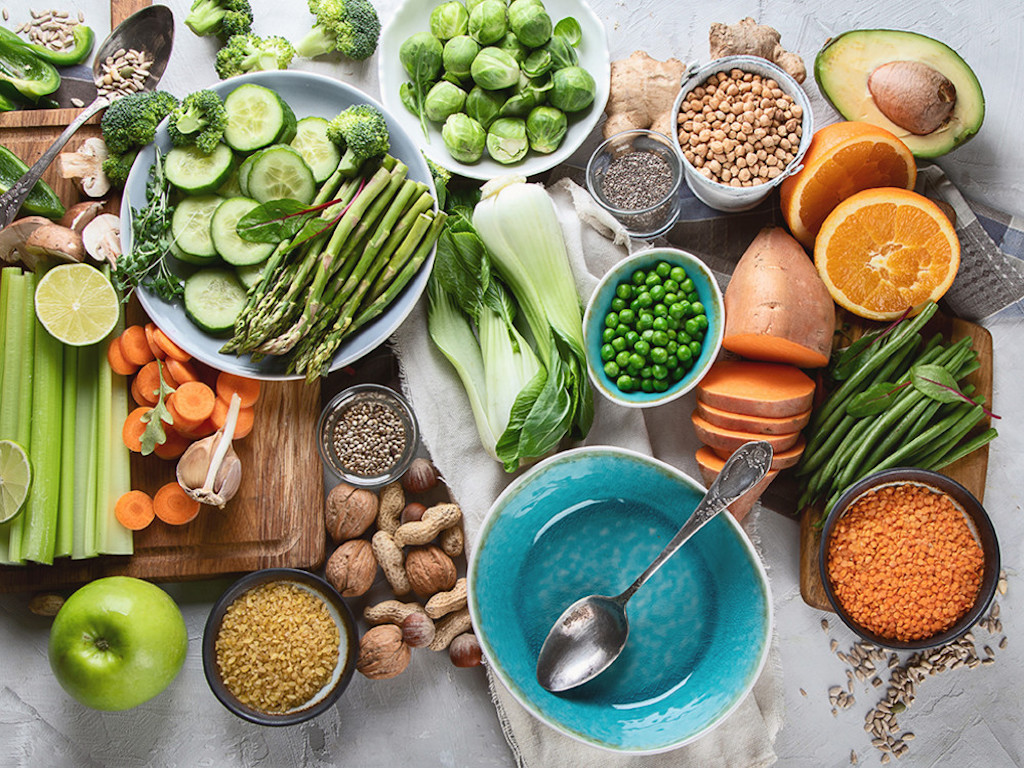
1. Cruciferous Vegetables
Cruciferous vegetables include:
-
Broccoli
-
Cauliflower
-
Brussels sprouts
-
Cabbage
-
Kale
-
Bok choy
These vegetables contain naturally occurring plant compounds called glucosinolates, which are converted into biologically active substances such as sulforaphane during chewing and digestion.
Researchers continue studying these compounds for their potential role in supporting the body's natural defense mechanisms.
Cruciferous vegetables are also excellent sources of:
-
Fiber
-
Vitamin C
-
Vitamin K
-
Folate
Adding a variety of these vegetables to your meals several times a week is an easy way to increase nutrient intake.
2. Berries
Strawberries, blueberries, raspberries, and blackberries are rich in:
-
Vitamin C
-
Fiber
-
Anthocyanins
-
Other antioxidant compounds
Antioxidants help protect cells from oxidative stress, a normal process that may contribute to cellular damage over time.
Berries can easily be added to:
-
Oatmeal
-
Yogurt
-
Smoothies
-
Salads
Fresh or frozen berries both offer nutritional benefits.
3. Tomatoes
Tomatoes are one of the richest dietary sources of lycopene, a naturally occurring carotenoid pigment.
Lycopene has been widely studied for its potential role in supporting overall health.
Interestingly, cooking tomatoes with a small amount of healthy fat, such as olive oil, may increase lycopene absorption.
Tomatoes also provide:
-
Vitamin C
-
Potassium
-
Folate
Whether enjoyed fresh, roasted, or in homemade sauces, tomatoes can be part of a healthy diet.
4. Leafy Green Vegetables
Leafy greens such as:
-
Spinach
-
Swiss chard
-
Romaine lettuce
-
Arugula
-
Collard greens
provide an impressive range of nutrients, including:
-
Folate
-
Vitamin K
-
Vitamin A
-
Vitamin C
-
Magnesium
Their high fiber content also supports digestive health.
Eating a colorful variety of vegetables helps ensure a broad range of vitamins and beneficial plant compounds.
5. Beans and Lentils
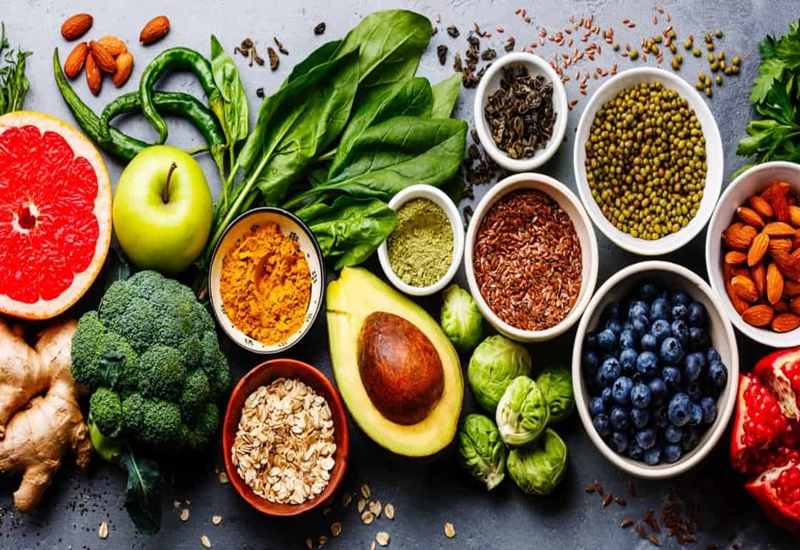
Legumes are nutritional powerhouses.
Examples include:
-
Black beans
-
Chickpeas
-
Kidney beans
-
Lentils
-
Split peas
They provide:
-
Plant protein
-
Fiber
-
Iron
-
Magnesium
-
Potassium
-
Folate
Fiber helps support digestive health and may contribute to a healthy gut microbiome, which is an active area of scientific research.
Replacing some processed meats with legumes can also improve overall dietary quality.
6. Whole Grains
Unlike refined grains, whole grains retain the bran and germ, providing additional nutrients.
Healthy choices include:
-
Oats
-
Brown rice
-
Barley
-
Quinoa
-
Whole wheat
-
Bulgur
Whole grains provide:
-
Fiber
-
B vitamins
-
Magnesium
-
Selenium
Research has associated higher whole-grain intake with several positive health outcomes, including improved cardiovascular health and better digestive function.
7. Fatty Fish
Fatty fish such as:
-
Salmon
-
Sardines
-
Mackerel
-
Trout
contain:
-
Omega-3 fatty acids
-
Vitamin D
-
High-quality protein
Omega-3 fatty acids support heart health and are being studied for a variety of health effects.
Current evidence does not support the idea that eating fish alone prevents cancer, but fish can certainly contribute to a healthy dietary pattern.
Aim to choose fish prepared by baking, grilling, steaming, or poaching rather than deep-frying.
8. Nuts and Seeds
Almonds, walnuts, pistachios, flaxseeds, chia seeds, and pumpkin seeds provide:
-
Healthy unsaturated fats
-
Protein
-
Fiber
-
Vitamin E
-
Magnesium
A small handful of unsalted nuts can make a nutritious snack or salad topping.
Because nuts are calorie-dense, moderation remains important.
9. Garlic and Onions
Garlic and onions belong to the allium family.
They contain sulfur-containing compounds that contribute to their distinctive aroma and flavor.
Scientists continue studying these compounds for their potential biological effects.
Adding garlic and onions to meals also enhances flavor naturally, making it easier to reduce excess salt in cooking.
10. Citrus Fruits
Oranges, lemons, grapefruits, and limes provide:
-
Vitamin C
-
Fiber
-
Flavonoids
-
Potassium
Whole fruits are generally a better choice than fruit juices because they contain more fiber and are more filling.
Including a variety of fruits throughout the week helps increase overall nutrient intake.
Why Diet Matters More Than Any Single Food
One of the biggest misconceptions about nutrition is the idea that one "superfood" can dramatically change health outcomes.
In reality, your overall eating pattern matters far more than any individual ingredient.
A balanced diet includes:
-
Plenty of vegetables
-
Fruits
-
Whole grains
-
Beans and lentils
-
Lean protein
-
Healthy fats
-
Limited ultra-processed foods
Consistency over months and years is much more important than occasional "healthy" meals.
Lifestyle Habits That Also Influence Cancer Risk
Diet is only one piece of the puzzle.
Research shows that several lifestyle factors work together to influence long-term health.
These include:
Avoid Tobacco
Smoking remains one of the leading preventable causes of cancer worldwide.
Quitting smoking is one of the most important steps you can take for your health.
Maintain a Healthy Weight
Excess body weight has been linked with an increased risk of several types of cancer.
Healthy eating and regular physical activity support weight management.
Stay Physically Active
Adults are generally encouraged to aim for at least 150 minutes of moderate-intensity physical activity each week.
Exercise benefits overall health in many ways beyond cancer prevention.
Limit Alcohol
Alcohol consumption has been associated with an increased risk of several cancers.
Limiting alcohol intake can reduce this risk.
Attend Recommended Cancer Screenings
Regular screening can detect certain cancers at earlier, more treatable stages.
Examples include:
-
Breast cancer screening
-
Cervical cancer screening
-
Colorectal cancer screening
Follow your healthcare provider's recommendations based on your age and personal risk factors.
Common Myths About "Anti-Cancer" Foods
Myth: One food can prevent cancer.
No single food has been proven to prevent cancer on its own.
Myth: Superfoods cure cancer.
There is no scientifically proven "superfood" that cures cancer.
People diagnosed with cancer should follow evidence-based treatment plans developed with their healthcare team.
Myth: Supplements are always better than food.
Most people benefit more from obtaining nutrients through a balanced diet than from taking high-dose supplements unless a deficiency or medical need has been identified.
Myth: Detox diets eliminate cancer-causing toxins.
Your liver and kidneys naturally remove waste products from the body.
Commercial detox diets have not been shown to prevent cancer.
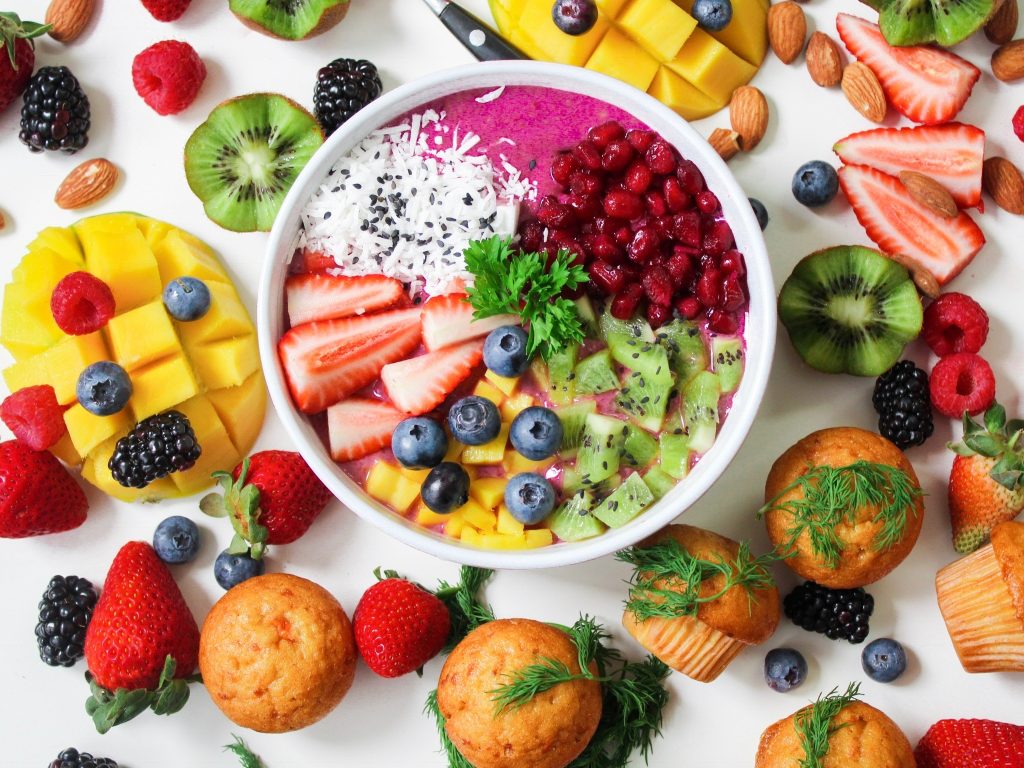
Simple Ways to Include These Foods Every Week
Healthy eating doesn't need to be complicated.
Consider these ideas:
-
Add berries to your breakfast oatmeal.
-
Include leafy greens in salads or sandwiches.
-
Roast broccoli or cauliflower with olive oil.
-
Replace refined grains with brown rice or quinoa.
-
Eat beans in soups, stews, or salads.
-
Snack on a handful of unsalted nuts.
-
Cook with garlic and onions regularly.
-
Enjoy citrus fruits as a snack.
-
Include fish once or twice a week if appropriate for your diet.
Small, consistent choices often have the greatest long-term impact.
The Bottom Line
While no food can guarantee protection against cancer, a diet rich in vegetables, fruits, whole grains, legumes, nuts, seeds, and other minimally processed foods provides the vitamins, minerals, fiber, and beneficial plant compounds your body needs to support overall health.
The 10 foods highlighted in this article—including cruciferous vegetables, berries, tomatoes, leafy greens, beans, whole grains, fatty fish, nuts, garlic, and citrus fruits—are all nutritious choices that fit well within dietary patterns associated with better long-term health.
Remember that nutrition is only one part of cancer prevention. Avoiding tobacco, staying physically active, maintaining a healthy weight, limiting alcohol, protecting your skin from excessive sun exposure, and attending recommended health screenings are equally important.
Rather than searching for a single miracle food, focus on building a colorful, balanced plate day after day. Over time, those consistent choices can make a meaningful difference for your overall health and well-being.