Parasites sound like something that only happens in distant places or under unusual circumstances, but certain parasitic infections can occur in many parts of the world. Depending on the parasite, people can become infected through contaminated food or water, undercooked meat or fish, soil, insects, or close contact with an infected person or animal.
One of the tricky things about parasitic infections is that the symptoms can be surprisingly nonspecific.
A person may feel tired, experience digestive problems, lose weight, or notice changes in their appetite without realizing that an infection could be involved. At the same time, many of these symptoms are much more commonly caused by other conditions.
That is why it is important not to assume that a symptom means you have parasites.
There is also a lot of misinformation online claiming that certain foods can “kill every parasite” or that everyone needs a routine parasite cleanse. There is no scientific basis for those broad claims.
Some foods contain compounds that have been studied for antimicrobial or antiparasitic activity in laboratory settings, but eating a particular food is not a substitute for diagnosis and appropriate treatment.
With that in mind, here are 10 symptoms worth knowing about, followed by seven foods that can support a nutritious diet while your digestive and immune systems are doing their jobs.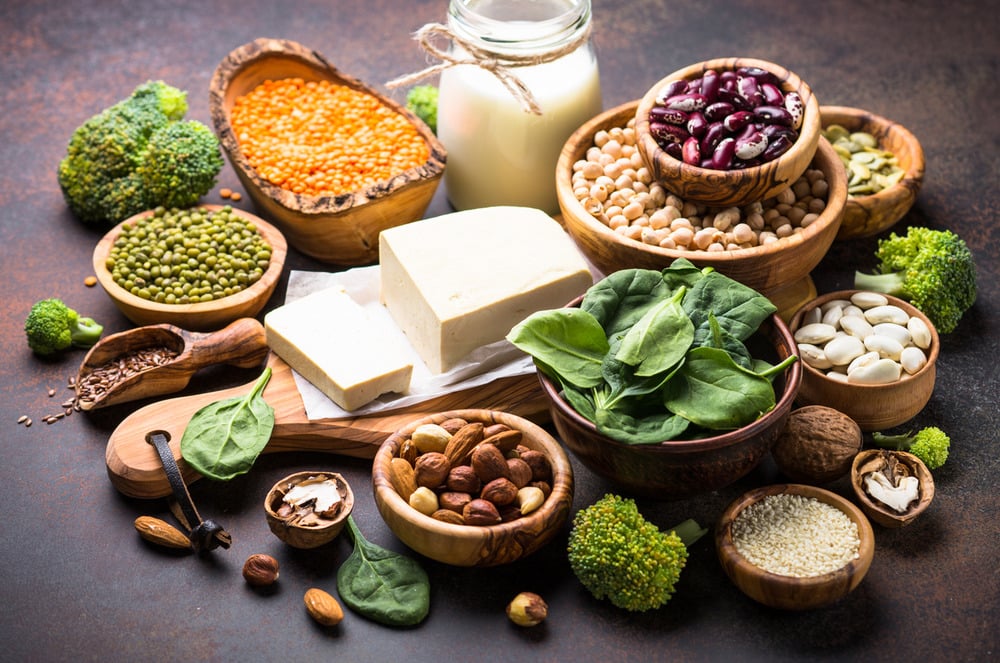
1. Persistent or Unexplained Diarrhea
One of the most familiar symptoms associated with some intestinal parasites is persistent diarrhea.
Depending on the parasite, the stool may be watery, loose, greasy, unusually foul-smelling, or accompanied by abdominal discomfort.
Certain infections, including giardiasis, can interfere with normal digestion and absorption.
But diarrhea has countless other causes, including bacterial infections, viruses, food intolerance, medication side effects, inflammatory bowel disease, and irritable bowel syndrome.
The important warning sign is diarrhea that persists, keeps returning, or occurs with dehydration, weight loss, fever, or blood in the stool.
That deserves medical evaluation rather than an attempt to treat yourself with a “parasite cleanse.”
2. Unexplained Abdominal Pain or Cramping
Parasites affecting the digestive tract can sometimes cause abdominal pain, bloating, or cramping.
The discomfort may be mild and intermittent, or it may become more persistent.
Some people notice symptoms after meals, while others experience them at seemingly random times.
Again, abdominal discomfort is extremely common and does not specifically point to a parasite.
Gas, constipation, ulcers, gallbladder problems, food intolerances, infections, and many other conditions can produce similar sensations.
If abdominal pain is severe, sudden, progressively worsening, or accompanied by vomiting, fever, significant swelling, or bleeding, seek medical attention promptly.
3. Unexplained Weight Loss
Unexpected weight loss is one symptom worth taking seriously.
Certain parasitic infections can interfere with nutrient absorption or reduce appetite, potentially contributing to weight loss.
However, unexplained weight loss can also be associated with thyroid disease, diabetes, gastrointestinal disorders, cancer, depression, chronic infections, and other conditions.
This is why significant weight loss shouldn't automatically be blamed on parasites.
If you are losing weight without intentionally changing your diet or activity level, talk with a healthcare professional.
The cause needs to be identified rather than guessed.
4. Persistent Fatigue or Weakness
Feeling tired after a stressful week is normal.
Persistent exhaustion is different.
Some parasitic infections can contribute to fatigue through inflammation, poor nutrient absorption, dehydration, or blood loss. Certain parasites can also contribute to anemia.
For example, hookworm infections can cause chronic blood loss from the gastrointestinal tract and may lead to iron-deficiency anemia.
But fatigue is one of the least specific symptoms in medicine.
Poor sleep, anemia from other causes, thyroid disorders, depression, infections, medication effects, and nutritional deficiencies can all produce similar symptoms.
Persistent fatigue is therefore a reason to investigate, not a reason to assume parasites are responsible.
5. Changes in Appetite
Some people with intestinal infections experience changes in appetite.
You may feel less interested in food, become full more quickly, or occasionally experience unusual hunger.
Nausea can also affect how much you want to eat.
Changes in appetite can occur with parasitic infections, but they're much more commonly associated with ordinary digestive problems, stress, medications, infections, hormonal changes, and mental-health conditions.
Pay attention when appetite changes persist or are accompanied by weight loss, ongoing nausea, abdominal pain, or other unusual symptoms.
6. Persistent Bloating or Excessive Gas
Bloating can be uncomfortable and frustrating.
Certain intestinal infections can interfere with normal digestion and alter the intestinal environment, leading to gas and abdominal distension.
Giardia is one example of an infection that can cause bloating and digestive symptoms.
But bloating is extremely common.
Eating too quickly, carbonated drinks, lactose intolerance, constipation, irritable bowel syndrome, and changes in gut bacteria can all play a role.
Rather than assuming bloating means you have parasites, look at the complete symptom pattern.
Persistent bloating combined with diarrhea, weight loss, foul-smelling stools, or recent exposure to potentially contaminated food or water deserves medical attention.
7. Itching Around the Anus, Especially at Night
This symptom is particularly associated with pinworm infection.
Pinworms lay eggs around the anus, and itching can become more noticeable at night.
Children are especially susceptible, and infections can spread easily among household members.
The good news is that pinworm infections can generally be diagnosed and treated with appropriate medication.
If nighttime anal itching is persistent, especially in a child or household where several people are experiencing similar symptoms, consult a healthcare professional.
Don't rely on garlic, vinegar, or other home remedies as a substitute for proper treatment.
8. Skin Changes or Unexplained Rashes
Some parasitic infections can cause skin-related symptoms.
For instance, certain parasites can enter or migrate through the skin and produce itching, rashes, or localized inflammation.
Other parasites can cause allergic-type reactions or eosinophilia, which may contribute to skin symptoms.
But skin rashes have an enormous number of possible causes.
Eczema, allergies, fungal infections, medications, insect bites, autoimmune conditions, and common viral illnesses can all look similar.
A new or persistent rash should be evaluated based on its appearance, location, timing, and associated symptoms rather than automatically being labeled a parasite infection.
9. Signs of Nutrient Deficiency or Anemia
Some intestinal parasites can interfere with nutrient absorption or cause blood loss.
Over time, this may contribute to deficiencies or anemia.
A person may notice:
Pale skin.
Shortness of breath during activity.
Weakness.
Dizziness.
Headaches.
Reduced exercise tolerance.
These symptoms can have many causes.
Iron deficiency can result from dietary insufficiency, menstrual blood loss, gastrointestinal bleeding, pregnancy, and other medical conditions—not only parasites.
A blood test can help determine whether anemia is actually present and may provide clues about its cause.
10. Symptoms After Travel, Unsafe Water, or Undercooked Food
Perhaps one of the most useful clues is not a symptom itself but recent exposure.
Did you recently travel somewhere with limited sanitation?
Did you drink untreated water?
Did you eat food prepared under questionable hygiene conditions?
Did you eat undercooked meat or fish?
Did several people in your household develop digestive symptoms at the same time?
Did you have close contact with someone known to have a parasitic infection?
These details can be extremely helpful to a healthcare professional.
Exposure history can change the likelihood of different infections and influence which tests are appropriate.
Not Every Parasite Infection Causes Symptoms
Another important point is that some parasitic infections may produce few or no noticeable symptoms.
A person can occasionally carry a parasite without realizing it.
This is one reason testing may be important for people with certain exposures, symptoms, travel histories, or immune conditions.
It also means that a “cleanse” based solely on symptoms is unreliable.
You cannot determine whether you have parasites simply by looking at your stool, feeling tired, or craving certain foods.
How Are Parasite Infections Diagnosed?
Depending on the suspected parasite, doctors may use stool testing, blood tests, imaging, or other specialized diagnostic methods.
The specific test depends on the organism and the person's symptoms and exposure history.
For some intestinal parasites, multiple stool samples may be recommended because a single sample does not always detect an infection.
This is one reason self-diagnosis based on internet symptom lists can be misleading.
Now, What About the 7 Foods?
Food cannot reliably eliminate an established parasitic infection.
However, nutritious foods can support your body while you recover and can contribute to a healthy digestive and immune system.
Here are seven foods that can be useful parts of a balanced diet.
1. Garlic
Garlic is one of the most popular foods associated with “natural parasite cleansing.”
There is a scientific reason it gets attention.
Garlic contains sulfur-containing compounds, including allicin and related substances, that have demonstrated antimicrobial activity in laboratory studies.
Some experimental research has examined garlic compounds against certain parasites as well.
But laboratory activity is not the same as a proven treatment in humans.
Eating garlic may be a nutritious addition to your meals, but it should not replace antiparasitic medication when an infection has been diagnosed.
Use it for flavor and nutrition—not as a substitute for medical care.
2. Pumpkin Seeds
Pumpkin seeds are rich in protein, healthy fats, magnesium, zinc, and other nutrients.
They are also commonly promoted online as a natural antiparasitic food.
Certain compounds in pumpkin seeds have been studied experimentally, and traditional medicine has used pumpkin seeds for various purposes.
However, evidence is insufficient to claim that simply eating pumpkin seeds will reliably eliminate intestinal parasites in humans.
Their nutritional value is the stronger reason to include them in your diet.
3. Papaya
Papaya provides vitamin C, carotenoids, fiber, and other plant compounds.
Papaya seeds in particular have been investigated in small studies and laboratory research for potential antiparasitic effects.
But that evidence is still limited and does not establish papaya seeds as a standard treatment for parasitic infections.
Whole papaya is a much more straightforward nutritional choice.
It can provide vitamin C and contribute to overall fruit intake.
If you suspect an infection, however, don't rely on papaya instead of appropriate testing and treatment.
4. Yogurt and Other Fermented Foods
Plain yogurt containing live cultures can be a useful part of a healthy diet.
Fermented foods can contribute beneficial microorganisms or support dietary diversity, depending on the product.
This may be particularly relevant after some intestinal illnesses or antibiotic treatments, although the effects depend on the individual and the specific product.
Yogurt does not kill intestinal parasites.
Its potential benefit is more about supporting the overall nutritional and digestive environment.
Choose lower-sugar varieties when possible and check the label for live cultures.
5. High-Fiber Vegetables
Vegetables such as broccoli, carrots, leafy greens, Brussels sprouts, and squash provide fiber, vitamins, minerals, and plant compounds.
Fiber supports normal bowel function and contributes to a diverse diet.
It can also help support the gut microbiome.
These benefits matter whether or not a person has ever had a parasitic infection.
Rather than focusing on one “anti-parasite vegetable,” eating a variety of vegetables is a much more evidence-based strategy.
6. Ginger
Ginger has long been used as a food and traditional remedy for nausea and digestive discomfort.
It contains compounds such as gingerols and shogaols that have biological activity and have been studied in laboratory settings.
Some experimental studies have investigated ginger against microorganisms, including certain parasites.
But once again, this does not make ginger a proven antiparasitic medicine.
Its more practical role is as a flavorful ingredient that may help some people tolerate meals when they have mild digestive discomfort.
7. Foods Rich in Vitamin C
Oranges, kiwi, strawberries, bell peppers, tomatoes, and other vitamin-C-rich foods can help support normal immune function.
Vitamin C is an essential nutrient involved in numerous physiological processes.
Eating enough vitamin C is important for general health, but it does not directly eliminate parasitic infections.
A varied diet rich in fruits and vegetables is the best way to obtain it.
Foods Are Supportive—Treatment Is Different
This distinction is critical.
If a laboratory test confirms a parasitic infection, the appropriate treatment depends on the specific parasite.
Doctors may prescribe antiparasitic medications such as albendazole, mebendazole, ivermectin, praziquantel, metronidazole, or other drugs depending on the organism and clinical situation.
These medications are not interchangeable.
Some parasites require different treatments, different treatment durations, or treatment of the entire household.
That is why identifying the specific infection matters.
Don't Start a “Parasite Cleanse” Without a Diagnosis
Parasite cleanses are heavily marketed online.
They may involve fasting, herbal supplements, laxatives, restrictive diets, or combinations of concentrated plant extracts.
The problem is that these products can cause side effects, interact with medications, and delay effective treatment.
Some herbal products can also affect the liver or kidneys.
A treatment that makes someone have diarrhea does not prove that parasites are being removed.
In fact, the “things” people see in their stool after a cleanse may simply be undigested food, mucus, fiber, or material produced by the supplement itself.
Hygiene Is One of the Best Defenses
Preventing infection is far more reliable than trying to eliminate one after it occurs.
Wash your hands thoroughly after using the bathroom and before preparing food.
Wash fresh produce carefully.
Cook meat, poultry, and fish to appropriate temperatures.
Avoid drinking untreated water in places where contamination is possible.
Be cautious with raw or undercooked foods when traveling.
Keep pet living areas clean and follow veterinary advice for parasite prevention.
Teach children good hand-washing habits.
These ordinary behaviors can significantly reduce exposure to many infectious organisms.
Travel Can Increase Exposure Risk
If you've traveled internationally and developed persistent digestive symptoms afterward, tell your healthcare provider.
Travel history can provide an important clue.
The same is true for camping or hiking in areas where untreated streams or lakes are a possible source of exposure.
Don't assume that bottled-looking or apparently clean water is safe everywhere.
Waterborne parasites can be invisible.
When Should You Seek Medical Care?
Contact a healthcare professional when you have persistent diarrhea, unexplained weight loss, ongoing abdominal pain, prolonged fatigue, or other symptoms that don't resolve.
Seek more urgent care for:
Severe dehydration
Blood in the stool or vomit
Persistent vomiting
Severe abdominal pain
Fainting or confusion
Difficulty breathing
Rapid deterioration
These symptoms can indicate serious illness regardless of whether a parasite is involved.
The Bottom Line
Parasite infections can cause a wide range of symptoms, including digestive problems, weight loss, fatigue, nighttime itching, skin changes, and signs of anemia.
But none of these symptoms proves that parasites are present.
Many of the same signs occur with much more common medical conditions.
The most reliable approach is to consider symptoms together with exposure history and, when appropriate, obtain diagnostic testing.
As for food, garlic, pumpkin seeds, papaya, yogurt, vegetables, ginger, and vitamin-C-rich fruits can all contribute to a nutritious diet, and some of their compounds have been investigated for antiparasitic activity. But they should be viewed as supportive foods, not proven cures for parasitic infections.
If an infection is confirmed, the appropriate antiparasitic treatment depends on the specific organism.
The real goal isn't to “cleanse” your body.
It's to identify the actual problem, treat it correctly, support your nutrition, and prevent reinfection.
And that approach is far more reliable than any viral detox recipe.