Your body doesn't stop sending signals when you go to sleep. In fact, some changes may become more noticeable during the night or immediately after waking.
Maybe you wake up several times to use the bathroom. Perhaps you're unusually thirsty, sweating more than normal, experiencing headaches, or feeling exhausted despite getting enough sleep. While these symptoms can have many different causes, some may be associated with blood sugar problems, including high or low blood glucose.
It's important to remember that one symptom does not mean you have diabetes. Sleep disorders, dehydration, stress, medications, hormonal changes, alcohol, urinary problems, and many other conditions can cause similar symptoms.
However, if these changes happen repeatedly or several occur together, they may be worth discussing with a healthcare professional.
Here are 10 nighttime warning signs you should know.
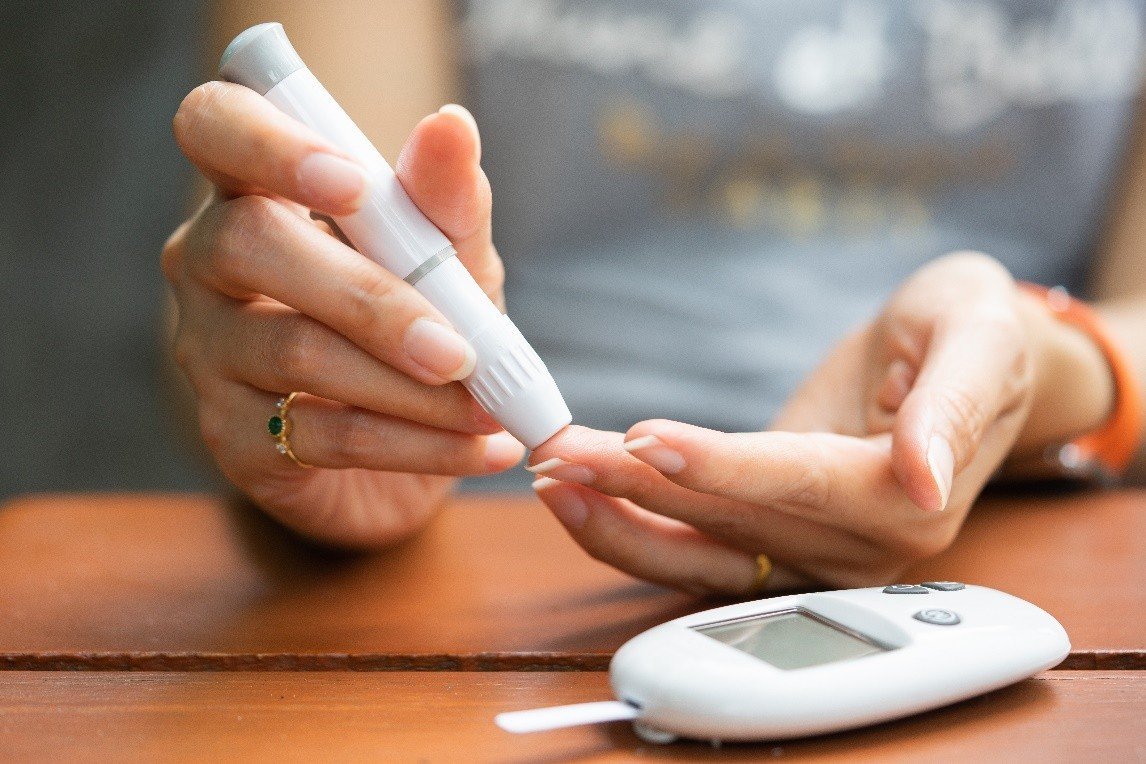
1. Waking Up Several Times to Urinate
Do you find yourself getting out of bed two, three, or even more times every night to use the bathroom?
Occasional nighttime urination can be completely normal, especially if you drink a lot of water, tea, coffee, or alcohol before bed.
But frequent urination can also occur when blood glucose levels remain unusually high.
When there is too much glucose in the bloodstream, the kidneys may attempt to remove some of it through urine. This can increase urine production and make you need to use the bathroom more frequently.
You may notice:
-
Frequent nighttime bathroom trips
-
Larger amounts of urine than usual
-
Increased thirst after urinating
-
Poor sleep because you're constantly waking up
If this becomes a regular pattern without an obvious explanation, it may be worth having your blood glucose checked.
2. Waking Up Extremely Thirsty
Everyone gets thirsty from time to time.
But waking up every night with an intense need to drink water may deserve attention.
When blood glucose is elevated, increased urination can cause the body to lose more fluid. This can contribute to dehydration and trigger stronger thirst.
You might notice:
-
A very dry mouth
-
Drinking water immediately after waking
-
Keeping a water bottle beside your bed
-
Feeling thirsty even after drinking plenty of fluids
-
Frequent urination occurring at the same time
Again, nighttime thirst isn't specific to diabetes. Dry air, salty foods, exercise, alcohol, certain medications, and dehydration can all contribute.
The combination of persistent thirst and frequent urination, however, is worth discussing with a healthcare professional.
3. Waking Up Sweating Heavily
Have you ever woken up in the middle of the night with your pajamas or bedsheets unusually damp?
Night sweating has many possible causes.
Your room may simply be too warm. Hormonal changes, stress, infections, alcohol, medications, and anxiety can also cause sweating during sleep.
However, low blood sugar can sometimes cause sweating, particularly in people who use insulin or certain medications for diabetes.
You may also experience:
-
Shaking
-
Rapid heartbeat
-
Hunger
-
Headache
-
Irritability
-
Weakness
-
Feeling anxious
If you have diabetes and repeatedly wake up sweating, it's important to discuss the pattern with your healthcare team.
4. Restless Sleep or Repeated Nighttime Awakenings
Not every nighttime awakening is related to blood sugar.
Stress, noise, temperature, sleep apnea, caffeine, alcohol, pain, and an irregular sleep schedule can all interfere with sleep.
However, significant blood glucose fluctuations may also disturb your sleep.
For example, high blood sugar may make you thirsty and cause frequent urination, while low blood sugar may trigger sweating, shaking, hunger, or a racing heartbeat.
You may find yourself waking up repeatedly without understanding why.
If your sleep suddenly becomes much more disrupted than usual, look at the bigger picture.
Are you also:
-
Extremely thirsty?
-
Using the bathroom repeatedly?
-
Sweating?
-
Waking hungry?
-
Experiencing headaches?
-
Feeling exhausted the next morning?
Several symptoms occurring together may deserve further investigation.
5. Waking Up With a Headache
Morning headaches are common and can have many explanations.
Poor sleep, dehydration, teeth grinding, alcohol, migraines, sinus problems, and sleep apnea are just a few possibilities.
Blood glucose fluctuations can also contribute to headaches in some people.
A headache may be more concerning when it repeatedly occurs alongside other unusual nighttime symptoms.
For example, you may wake up with a headache after experiencing:
-
Sweating
-
Shaking
-
Hunger
-
Dizziness
-
Restlessness
-
Confusion
If this happens regularly, consider discussing it with a healthcare professional rather than simply taking pain medication every morning.
6. Waking Up Shaky, Hungry, or Anxious
Suddenly waking up feeling shaky or intensely hungry can be unsettling.
These symptoms may occur when blood glucose becomes too low.
Possible symptoms include:
-
Trembling
-
Sweating
-
Strong hunger
-
Fast heartbeat
-
Irritability
-
Anxiety
-
Dizziness
-
Weakness
-
Difficulty concentrating
This is particularly important for people taking insulin or certain medications that lower blood glucose.
If you repeatedly experience these symptoms during the night, keep track of when they happen and discuss them with your healthcare provider.
If severe confusion, loss of consciousness, or seizures occur, urgent medical attention is needed.
7. Feeling Exhausted Even After a Full Night's Sleep
You might sleep for seven or eight hours and still wake up feeling like you barely slept.
Persistent morning fatigue can have countless causes, including:
-
Poor sleep quality
-
Sleep apnea
-
Stress
-
Anemia
-
Thyroid problems
-
Depression
-
Nutritional deficiencies
-
Certain medications
Blood sugar problems can also contribute to fatigue.
High blood glucose may leave you feeling sluggish, while nighttime urination, thirst, or glucose fluctuations can repeatedly interrupt your sleep.
If you're consistently exhausted despite apparently getting enough sleep, don't simply assume it's because you're getting older or working too hard.
Look for other accompanying symptoms.
8. Waking Up With a Very Dry Mouth
A dry mouth in the morning is common.
Sleeping with your mouth open, snoring, dehydration, medications, alcohol, and dry indoor air can all cause it.
However, persistent dry mouth combined with excessive thirst and frequent urination may be associated with blood sugar problems.
You may wake up with:
-
A sticky or dry tongue
-
Difficulty swallowing
-
Cracked lips
-
A strong desire to drink water
-
An unpleasant taste in your mouth
If this happens frequently, especially together with other symptoms, it's worth finding out what's causing it.
9. Blurry Vision at Night or in the Morning
Changes in blood glucose can temporarily affect the fluid balance in the eye, which may cause vision to become blurry.
You might notice that your vision:
-
Looks blurry after waking
-
Changes from day to day
-
Becomes difficult to focus
-
Seems clearer at certain times and blurrier at others
However, blurry vision has many possible causes.
Dry eyes, prescription changes, eye diseases, migraines, medications, and prolonged screen use can all affect vision.
Sudden or significant vision changes should not be ignored.
If your vision changes repeatedly, especially if you also have other symptoms associated with blood sugar problems, arrange an eye and medical evaluation.
10. Waking Up Confused, Irritable, or Feeling "Off"
Sometimes you wake up and immediately know something doesn't feel right.
You may feel:
-
Confused
-
Extremely irritable
-
Weak
-
Dizzy
-
Mentally foggy
-
Unable to concentrate
-
Unusually sleepy
Low blood glucose can affect the brain and cause some of these symptoms.
Severe low blood sugar can become dangerous and may lead to seizures or loss of consciousness.
If you have diabetes and repeatedly wake up feeling confused or unusually unwell, don't ignore the pattern.
Your healthcare provider may need to evaluate your medication, meals, exercise, or overnight glucose levels.
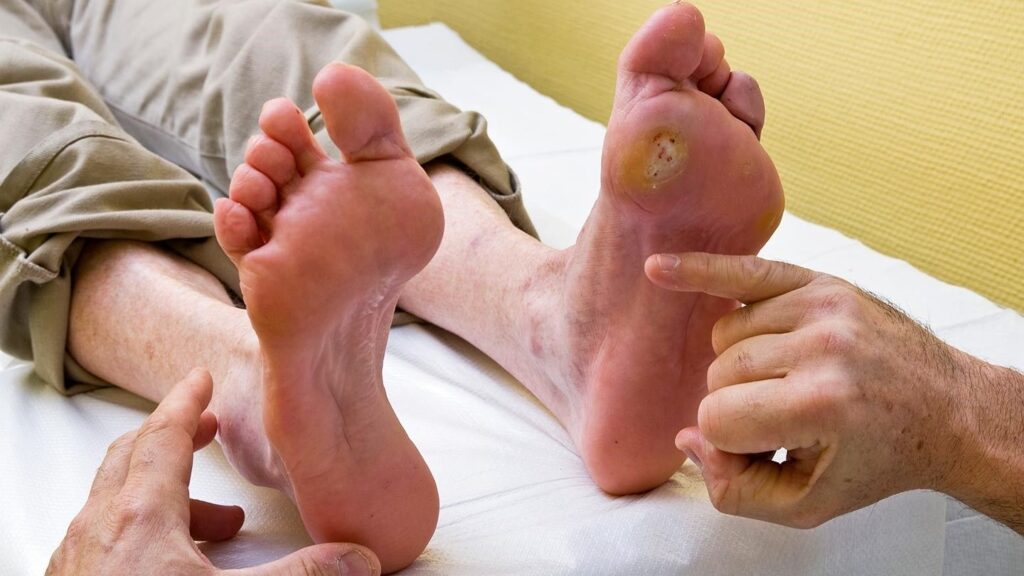
High Blood Sugar vs. Low Blood Sugar
Understanding the difference can help you recognize patterns.
Possible Signs of High Blood Sugar
High blood glucose may be associated with:
-
Increased thirst
-
Frequent urination
-
Dry mouth
-
Fatigue
-
Blurred vision
-
Headaches
-
Unexplained weight changes
Possible Signs of Low Blood Sugar
Low blood glucose may cause:
-
Sweating
-
Shaking
-
Hunger
-
Fast heartbeat
-
Dizziness
-
Headache
-
Irritability
-
Confusion
-
Weakness
The symptoms can overlap, which is why testing blood glucose is much more reliable than trying to diagnose the problem based on symptoms alone.
Why Can Blood Sugar Change During the Night?
Several factors can influence overnight blood glucose.
Medication
Insulin and certain diabetes medications can cause blood glucose to fall too low, particularly when doses, meals, or activity levels don't match.
Evening Exercise
Physical activity can sometimes affect blood glucose for hours after exercise.
Alcohol
Alcohol can interfere with the body's ability to maintain stable blood glucose, especially when consumed without adequate food.
Skipping Dinner
Going to bed without eating enough may increase the risk of low blood glucose for some people taking glucose-lowering medication.
Large Evening Meals
A very carbohydrate-heavy meal close to bedtime can contribute to elevated glucose levels overnight in some people.
Illness and Stress
Being sick or under significant stress can make blood glucose harder to control.
What Is the Dawn Phenomenon?
Some people notice that their blood glucose is higher in the early morning than it was before bed.
This can happen because hormones naturally increase as the body prepares to wake up.
These hormones can signal the liver to release more glucose into the bloodstream.
This is sometimes called the dawn phenomenon.
If you consistently wake up with high blood glucose, don't automatically assume that eating less at dinner will solve the problem.
The cause can vary from person to person, and your healthcare professional can help determine what's happening.
Could These Symptoms Mean You Have Diabetes?
They could—but they don't prove it.
Type 2 diabetes can develop gradually, and some people have very few noticeable symptoms.
Other possible signs include:
-
Increased hunger
-
Increased thirst
-
Frequent urination
-
Fatigue
-
Blurry vision
-
Slow-healing wounds
-
Recurrent infections
-
Tingling or numbness
-
Unexplained weight loss
Because these symptoms can occur with many other conditions, proper testing is important.
A simple blood test can provide far more useful information than trying to interpret symptoms yourself.
Who Should Pay Extra Attention?
It's particularly important to discuss blood sugar testing with a healthcare professional if you have risk factors such as:
-
A family history of diabetes
-
Overweight or obesity
-
Physical inactivity
-
High blood pressure
-
Abnormal cholesterol levels
-
Previous gestational diabetes
-
Increasing age
-
A history of prediabetes
Having one of these risk factors doesn't mean you have diabetes.
It simply means you may benefit from appropriate screening.
How Can You Support Healthy Blood Sugar?
You don't need an extreme diet or expensive "blood sugar detox."
Simple, consistent habits are more useful.
Build Balanced Meals
Include:
-
Vegetables
-
Whole grains
-
Beans and legumes
-
Lean protein
-
Fish
-
Nuts and seeds
-
Healthy fats
Limit excessive amounts of sugary drinks, sweets, and highly processed foods.
Move Regularly
Physical activity can help your body use glucose more effectively.
Walking, cycling, swimming, dancing, and strength training can all be useful.
Even a short walk after meals can be an easy way to add more movement to your routine.
Prioritize Sleep
Poor sleep can make blood sugar management more difficult.
Try to maintain:
-
A consistent bedtime
-
A consistent wake time
-
A dark and comfortable bedroom
-
Limited caffeine late in the day
-
Less screen exposure before bed
Stay Hydrated
Water is generally the best everyday beverage.
If you're constantly thirsty despite drinking enough fluids, however, don't simply keep drinking more water without investigating why.
Persistent excessive thirst may warrant a medical evaluation.
Keep a Nighttime Symptom Journal
If you're repeatedly waking up with unusual symptoms, write them down.
Record:
-
What time you went to bed
-
What you ate for dinner
-
Evening snacks
-
Exercise
-
Alcohol consumption
-
Medication timing
-
How many times you woke up
-
What symptoms you experienced
-
Morning blood glucose, if you monitor it
Over several days or weeks, patterns may become easier to identify.
For people who already monitor their blood glucose, overnight readings can provide particularly useful information when discussed with a healthcare professional.
When Should You Get Your Blood Sugar Checked?
Consider talking with a healthcare professional if you repeatedly experience:
-
Excessive nighttime thirst
-
Frequent nighttime urination
-
Unexplained sweating
-
Shaking during sleep
-
Nighttime hunger
-
Repeated morning headaches
-
Persistent fatigue
-
Blurry vision
-
Unexplained weight loss
-
Other unusual changes in your health
Testing can determine whether your blood glucose is actually outside the normal range.
That's much more reliable than trying to diagnose diabetes based on symptoms.
When Is It an Emergency?
Very high or very low blood glucose can become dangerous.
Seek urgent medical attention if someone develops:
-
Severe confusion
-
Loss of consciousness
-
Seizures
-
Severe weakness
-
Difficulty breathing
-
Persistent vomiting
-
Severe abdominal pain
-
Fruity-smelling breath
These can be signs of a serious blood sugar emergency.
If someone with diabetes becomes unconscious or has a seizure, don't attempt to give them food or drink by mouth.

The Bottom Line
Your nighttime habits can sometimes reveal changes that deserve closer attention.
Frequent urination, excessive thirst, night sweats, restless sleep, morning headaches, nighttime shakiness, unusual hunger, dry mouth, blurry vision, and waking confused or irritable can all occur in people experiencing blood sugar problems.
But none of these symptoms automatically means you have diabetes.
Many have completely different explanations, and some people with diabetes may have few symptoms at all.
The most useful approach is to look for patterns rather than isolated incidents.
If you repeatedly wake up thirsty, drenched in sweat, shaky, confused, or exhausted - or find yourself visiting the bathroom several times every night - don't simply accept it as normal.
Pay attention to the pattern, consider what else might be causing it, and talk with a healthcare professional if the symptoms persist.
Your body may not always shout when something is wrong. Sometimes, it simply changes the way you sleep.