When your throat feels scratchy, your nose is congested, or a cough just won't leave you alone, a warm cup of tea can feel incredibly comforting.
Across cultures, herbal teas have long been used during colds and respiratory illnesses. Ginger, peppermint, thyme, chamomile, and green tea are just a few popular examples.
But can drinking tea actually clean your lungs, remove mucus, or improve breathing?
The answer requires some nuance.
Tea cannot detoxify the lungs, reverse smoking-related damage, cure pneumonia, or replace treatment for asthma or chronic obstructive pulmonary disease (COPD). However, warm fluids can help with hydration and throat comfort, while certain teas contain plant compounds with antioxidant, anti-inflammatory, or soothing properties.
Here are 10 popular teas that may complement a lung- and respiratory-friendly lifestyle, along with what we actually know about them.
First: Can Tea Really “Clean” Your Lungs?
You'll often see recipes claiming that a particular tea can:
“Flush toxins from your lungs.”
“Remove years of mucus.”
“Clean a smoker's lungs in three days.”
These claims are misleading.
Your lungs have their own sophisticated defense mechanisms.
Tiny hair-like structures called cilia help move mucus and trapped particles upward through the airways. Immune cells help identify and remove potentially harmful material, while coughing provides another mechanism for clearing airway secretions.
Tea doesn't wash the inside of your lungs.
What it can do is help maintain hydration, soothe an irritated throat, and provide various plant compounds as part of your diet.
With that distinction clear, let's look at the options.
1. Ginger Tea
Ginger tea is one of the most popular herbal drinks used during colds and respiratory discomfort.
Ginger comes from Zingiber officinale and contains biologically active compounds including gingerols and shogaols.
These compounds have been studied for their antioxidant and anti-inflammatory properties.
How Might Ginger Tea Help?
Ginger tea may be useful mainly because it is:
A warm drink can temporarily soothe throat irritation associated with coughing.
Some laboratory research has also investigated ginger compounds in relation to airway inflammation and smooth muscle activity, although this does not establish ginger tea as a treatment for asthma or other respiratory diseases.
Simple Ginger Tea
Slice a small piece of fresh ginger and steep it in hot water for several minutes.
You can add lemon for flavor.
A little honey may also soothe a cough in appropriate adults and older children, although honey should never be given to infants under 12 months old.
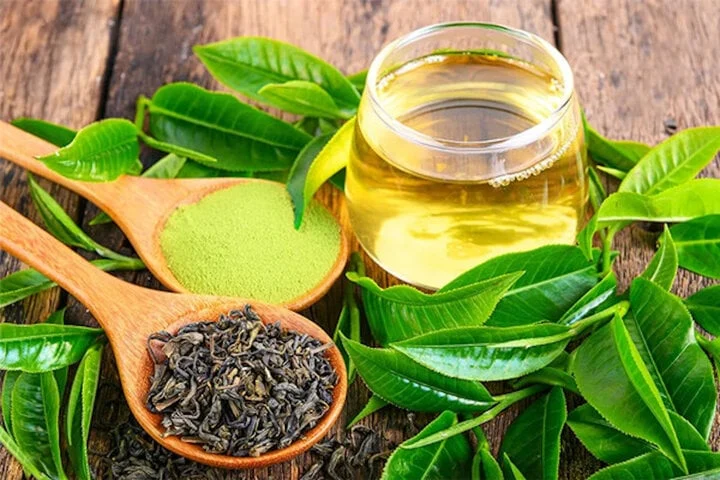
2. Green Tea
Green tea is one of the world's most extensively studied beverages.
It comes from the leaves of Camellia sinensis, the same plant used to produce black and oolong tea.
Green tea is particularly rich in polyphenols known as catechins, including epigallocatechin gallate, commonly abbreviated as EGCG.
These compounds have antioxidant activity.
What About Lung Health?
Research has examined associations between tea consumption and various aspects of cardiovascular, metabolic, and respiratory health.
However, observational associations don't prove that drinking green tea directly protects the lungs from disease.
Still, replacing sugar-sweetened beverages with unsweetened green tea can be a sensible dietary choice.
One Thing to Remember
Green tea naturally contains caffeine.
If caffeine causes:
-
Palpitations
-
Anxiety
-
Sleep problems
-
Acid reflux
consider limiting intake or choosing decaffeinated green tea.
3. Peppermint Tea
Peppermint tea has a distinctive cooling sensation largely because of menthol.
When you're congested, that cooling feeling can make breathing feel more comfortable.
But here's an important distinction:
Feeling as though your nose is more open doesn't necessarily mean peppermint has physically opened narrowed lower airways.
Menthol can alter the perception of airflow.
That sensation may still be pleasant during a cold.
Peppermint Tea May Help With:
But peppermint tea isn't an asthma treatment.
Someone experiencing an asthma attack needs appropriate rescue medication—not peppermint tea.
4. Thyme Tea
Thyme isn't just a cooking herb.
It has also been traditionally used for coughs and respiratory complaints.
Thyme contains aromatic compounds including thymol and carvacrol, which have been studied for antimicrobial and other biological properties.
Some herbal preparations containing thyme have been investigated for cough associated with acute respiratory infections.
However, evidence for a cup of homemade thyme tea is more limited than marketing claims sometimes suggest.
How to Prepare It
Steep fresh or dried culinary thyme in hot water for several minutes.
Strain before drinking.
You can add lemon or a small amount of honey for flavor.
Think of thyme tea as a comforting beverage—not an antibiotic.
5. Chamomile Tea
Sometimes supporting respiratory wellness isn't about directly targeting the lungs.
Sleep matters too.
When you're dealing with a cold, coughing, or congestion, poor sleep can make everything feel worse.
Chamomile is one of the most popular caffeine-free evening teas.
It contains plant compounds including apigenin, which has been studied for its interaction with receptors involved in relaxation.
Potential Advantages
Chamomile tea may:
Evidence that chamomile directly improves lung function is limited.
Its value is more likely related to comfort and relaxation.
Allergy Warning
Chamomile belongs to the Asteraceae plant family.
People with significant allergies to related plants such as ragweed may occasionally react to chamomile.
6. Turmeric Tea
Turmeric has become one of the most heavily marketed “anti-inflammatory” foods.
Its characteristic yellow color comes partly from compounds called curcuminoids, with curcumin being the best known.
Laboratory research shows that curcumin can interact with numerous inflammatory pathways.
However, translating laboratory findings into clinical benefits is complicated.
Curcumin also has relatively poor oral bioavailability.
Can Turmeric Tea Treat Lung Inflammation?
Not in the way medications can.
There isn't sufficient evidence to recommend turmeric tea as treatment for pneumonia, COPD, asthma, or other serious respiratory conditions.
But turmeric can certainly be part of a healthy dietary pattern.
A warm turmeric drink may also feel soothing when your throat is irritated.
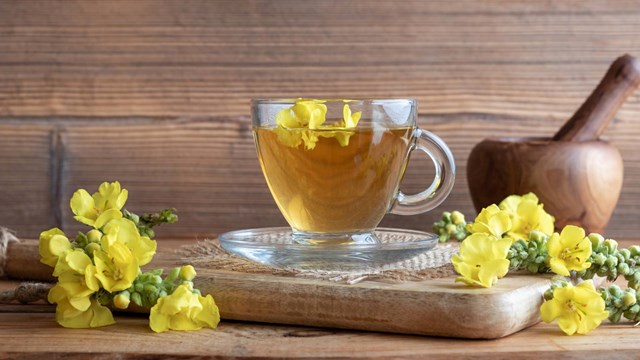
7. Licorice Root Tea
Licorice root has a long history in traditional herbal medicine and is sometimes used in teas marketed for throat and respiratory comfort.
It can produce a naturally sweet flavor without ordinary table sugar.
However, this tea comes with a much bigger safety warning than many people realize.
Licorice Isn't Harmless
Traditional licorice root can contain glycyrrhizin.
Large or prolonged intake can contribute to:
-
Increased blood pressure
-
Low potassium
-
Fluid retention
-
Abnormal heart rhythms
This can be particularly problematic for people with cardiovascular or kidney conditions.
Who Should Be Especially Careful?
People with:
should be cautious with regular licorice root consumption.
Licorice can also interact with medications.
So this is definitely a case where “natural” doesn't automatically mean “drink as much as you want.”
8. Eucalyptus Tea
The aroma of eucalyptus is strongly associated with respiratory products.
Eucalyptus contains compounds including 1,8-cineole, also known as eucalyptol, which has been studied in respiratory contexts.
However, eucalyptus requires an important safety distinction.
Tea Is Not the Same as Essential Oil
Eucalyptus essential oil should not simply be swallowed.
Concentrated essential oils can be toxic when ingested.
If you use a commercially prepared eucalyptus tea, follow the product instructions carefully.
Do not assume that adding drops of essential oil to hot water creates a safe homemade tea.
This applies to many essential oils—not only eucalyptus.
9. Black Tea
Black tea doesn't usually appear on viral lists of “lung-cleansing teas,” but nutritionally it deserves a mention.
Like green tea, black tea comes from Camellia sinensis.
The difference lies largely in processing.
Black tea contains polyphenols, including compounds known as theaflavins.
These have antioxidant properties and have been studied primarily in relation to cardiovascular and metabolic health.
Why Include It for Respiratory Wellness?
The benefits are less about directly treating the lungs and more about overall dietary quality.
Unsweetened black tea can replace:
-
Soda
-
Sugary energy drinks
-
Sweetened bottled teas
Reducing excessive added sugar supports metabolic and cardiovascular health, which indirectly matters because the heart and lungs work closely together.
Black tea does contain caffeine, so moderation may be appropriate if you're sensitive to it.
10. Lemon and Honey Herbal Tea
Technically, lemon and honey water isn't a traditional tea unless tea leaves or herbs are added.
But it's one of the most common drinks people reach for during coughs and colds, so it deserves inclusion.
Why Honey Can Be Helpful
Honey has evidence supporting its use for relieving cough symptoms, particularly during uncomplicated upper respiratory infections.
It may coat and soothe an irritated throat.
A simple drink can contain:
Warm water + lemon + a small amount of honey.
You can also combine it with ginger or another herbal tea.
Important Safety Rule
Again:
Never give honey to a child younger than one year.
Honey can contain spores associated with infant botulism.
Which Tea Is Best When You Have a Cough?
There isn't one universally superior tea.
For a mild cough associated with a common cold, the main advantages of tea may come from:
-
Warmth
-
Hydration
-
Throat soothing
-
Honey when appropriate
Ginger, thyme, peppermint, or chamomile can all be reasonable choices depending on your preferences.
The bigger question is why you're coughing.
A Cough Isn't a Disease by Itself
Coughing is a protective reflex.
Possible causes include:
and, less commonly, more serious conditions.
A tea that feels soothing doesn't identify or treat the underlying cause.
What About Mucus?
Mucus is another topic surrounded by misinformation.
Your respiratory system naturally produces mucus.
It helps trap:
-
Dust
-
Microorganisms
-
Pollutants
-
Other particles
During respiratory infections or inflammation, mucus production can increase.
Hydration may help keep secretions from becoming excessively thick, which can make them easier to clear.
Warm tea contributes to your daily fluid intake.
But no herbal tea can instantly “melt years of mucus out of the lungs.”
Does the Color of Mucus Tell You If You Need Antibiotics?
Not reliably.
Yellow or green mucus doesn't automatically mean you have a bacterial infection.
Viral infections can also produce colored mucus because immune cells and inflammatory substances affect its appearance.
Antibiotics should be used when medically appropriate—not simply because mucus changes color.
Unnecessary antibiotic use contributes to antibiotic resistance and can cause side effects.
Can Tea Help With Asthma?
Tea may be comforting, but asthma is a chronic inflammatory airway condition requiring proper management.
Asthma can cause:
-
Wheezing
-
Coughing
-
Chest tightness
-
Shortness of breath
Some people experience mild symptoms.
Others can develop life-threatening attacks.
Tea Does Not Replace an Inhaler
If you have prescribed asthma medication, continue using it according to your treatment plan.
Don't substitute:
-
Ginger
-
Peppermint
-
Turmeric
-
Eucalyptus
for rescue or controller medication.
Herbal beverages and asthma treatment serve completely different roles.
What About COPD?
COPD includes chronic lung conditions that cause persistent airflow limitation, most commonly chronic bronchitis and emphysema.
Smoking is a major cause.
Symptoms may include:
Tea can help someone stay hydrated and may soothe throat irritation, but it cannot reverse emphysema or restore destroyed lung tissue.
COPD requires evidence-based medical management.
Can Tea Repair a Smoker's Lungs?
No tea can undo smoking damage.
If you smoke, quitting is dramatically more important than choosing the “best lung tea.”
Once smoking stops, the body begins recovering.
Over time, cardiovascular and respiratory risks decline, although the extent of recovery depends on duration and intensity of previous exposure.
Drinking green tea while continuing to smoke doesn't neutralize cigarette smoke.
Neither does ginger, turmeric, or any supplement.
What Actually Helps Protect Your Lungs?
If you're genuinely interested in respiratory wellness, several strategies have much stronger evidence than herbal remedies.
Don't Smoke
Avoiding tobacco is one of the most powerful ways to protect lung health.
If you already smoke, quitting provides benefits at virtually any age.
Reduce Exposure to Secondhand Smoke
Secondhand smoke can also damage respiratory and cardiovascular health.
Keep homes and vehicles smoke-free whenever possible.
Stay Physically Active
Exercise doesn't “clean” your lungs, but it improves cardiovascular fitness and helps your body use oxygen more efficiently.
Walking, cycling, swimming, and other aerobic activities can all contribute.
Reduce Harmful Air Exposure
Depending on your environment, this may involve reducing exposure to:
-
Industrial dust
-
Chemical fumes
-
Wildfire smoke
-
Indoor smoke
-
Occupational pollutants
Use appropriate protective equipment when required.
Keep Vaccinations Up to Date
Vaccination can reduce the risk or severity of certain respiratory infections.
Recommendations depend on age, health status, country, and individual risk.
Ask your healthcare provider which vaccines are appropriate for you.
Don't Forget Indoor Air Quality
We spend enormous amounts of time indoors.
Potential indoor respiratory irritants include:
-
Tobacco smoke
-
Mold
-
Dust
-
Cooking fumes
-
Certain chemicals
Adequate ventilation and addressing significant mold or moisture problems can help maintain a healthier indoor environment.
Be Careful With “Lung Detox” Products
Many products marketed online promise to:
Detox the lungs in seven days
Remove nicotine
Flush tar from the lungs
Reverse smoking damage
These claims should be viewed skeptically.
Your lungs don't contain a reservoir of “toxins” that can simply be washed away with herbal tea.
Some supplements can also interact with medications or cause liver injury.
If a product claims to cure serious lung disease without medical treatment, that's a major red flag.
Steam Isn't Always Better Either
Breathing warm, humid air may temporarily feel soothing when you're congested.
But inhaling extremely hot steam can cause serious burns.
Avoid placing your face directly over boiling water.
This is especially important around children.
And don't assume adding essential oils makes steam safer or more effective.
Some fragrances can actually irritate sensitive airways.
Who Should Be Careful With Herbal Teas?
Herbal teas aren't automatically harmless.
Extra caution may be appropriate for people who:
-
Take multiple medications
-
Are pregnant or breastfeeding
-
Have kidney disease
-
Have liver disease
-
Have cardiovascular conditions
-
Have significant plant allergies
The risk varies dramatically depending on the herb.
For example, ordinary chamomile tea and concentrated licorice root extract don't have identical safety profiles.
Tea and Medication Interactions
Some herbal products can affect:
-
Blood pressure
-
Blood glucose
-
Blood clotting
-
Drug metabolism
If you're drinking occasional weak herbal tea, the risk may be small.
But if you're consuming several concentrated herbal products every day, discuss them with a doctor or pharmacist—especially if you take prescription medication.
A Simple Respiratory-Friendly Tea Routine
You don't need to drink all ten teas.
Choose one or two you genuinely enjoy.
Morning
Green tea or black tea.
Afternoon
Ginger or peppermint tea.
Evening
Chamomile tea.
During a Mild Cold
Warm ginger or thyme tea with a little honey if appropriate.
The goal isn't to “detox” anything.
It's simply a comfortable way to stay hydrated while adding plant compounds to your diet.
10 Teas to Remember
Here's the quick recap:
1. Ginger Tea
Popular for digestive and throat comfort and provides gingerols and related compounds.
2. Green Tea
Rich in antioxidant polyphenols such as catechins.
3. Peppermint Tea
Menthol may provide a cooling sensation and perception of easier nasal airflow.
4. Thyme Tea
Traditionally used for cough and respiratory comfort.
5. Chamomile Tea
A caffeine-free option that may support relaxation and throat comfort.
6. Turmeric Tea
Provides curcuminoids and can be part of an anti-inflammatory dietary pattern.
7. Licorice Root Tea
Traditionally used for throat comfort but requires caution because excessive intake can affect blood pressure and potassium.
8. Eucalyptus Tea
Popular in respiratory herbal products, but eucalyptus essential oil should not be ingested casually.
9. Black Tea
Provides polyphenols and can be a healthy replacement for sugary beverages.
10. Lemon and Honey Herbal Tea
A simple warm drink that may soothe an irritated throat and cough.
When a Cough Needs Medical Attention
Tea is reasonable for minor respiratory discomfort.
But some symptoms shouldn't be managed with home remedies alone.
Seek medical attention if you experience:
-
Difficulty breathing
-
Significant or worsening shortness of breath
-
Chest pain
-
Coughing up blood
-
Blue or gray lips or skin
-
Confusion
-
Severe weakness
-
Persistent high fever
-
Symptoms that are worsening rather than improving
A persistent cough also deserves evaluation, particularly if it lasts for weeks or occurs alongside unexplained weight loss, night sweats, or blood.

Don't Ignore Sudden Breathing Problems
Sudden severe shortness of breath can have many causes, including:
These situations require medical assessment.
Do not sit at home making herbal tea while struggling to breathe.
The Bottom Line
Tea can be a pleasant addition to a respiratory-friendly routine.
Ginger, green tea, peppermint, thyme, chamomile, turmeric, licorice root, eucalyptus, black tea, and lemon-honey drinks each offer different flavors and plant compounds.
Some may help soothe a cough or irritated throat.
Others provide antioxidants or simply make hydration more enjoyable.
But none of them literally cleans the lungs, removes years of smoking damage, cures pneumonia, or replaces asthma and COPD treatment.
For long-term lung health, the biggest wins come from much less glamorous habits:
Don't smoke.
Avoid secondhand smoke.
Exercise regularly.
Reduce exposure to harmful pollutants.
Keep appropriate vaccinations up to date.
Seek medical care for persistent or serious respiratory symptoms.
And if you enjoy a warm cup of ginger, peppermint, or green tea along the way? Go for it.
Tea can support comfort and hydration—but your lungs don't need a miracle detox drink to take care of themselves.