Chapter 1: Understanding Pancreatic Cancer and Why It Can Be Difficult to Detect
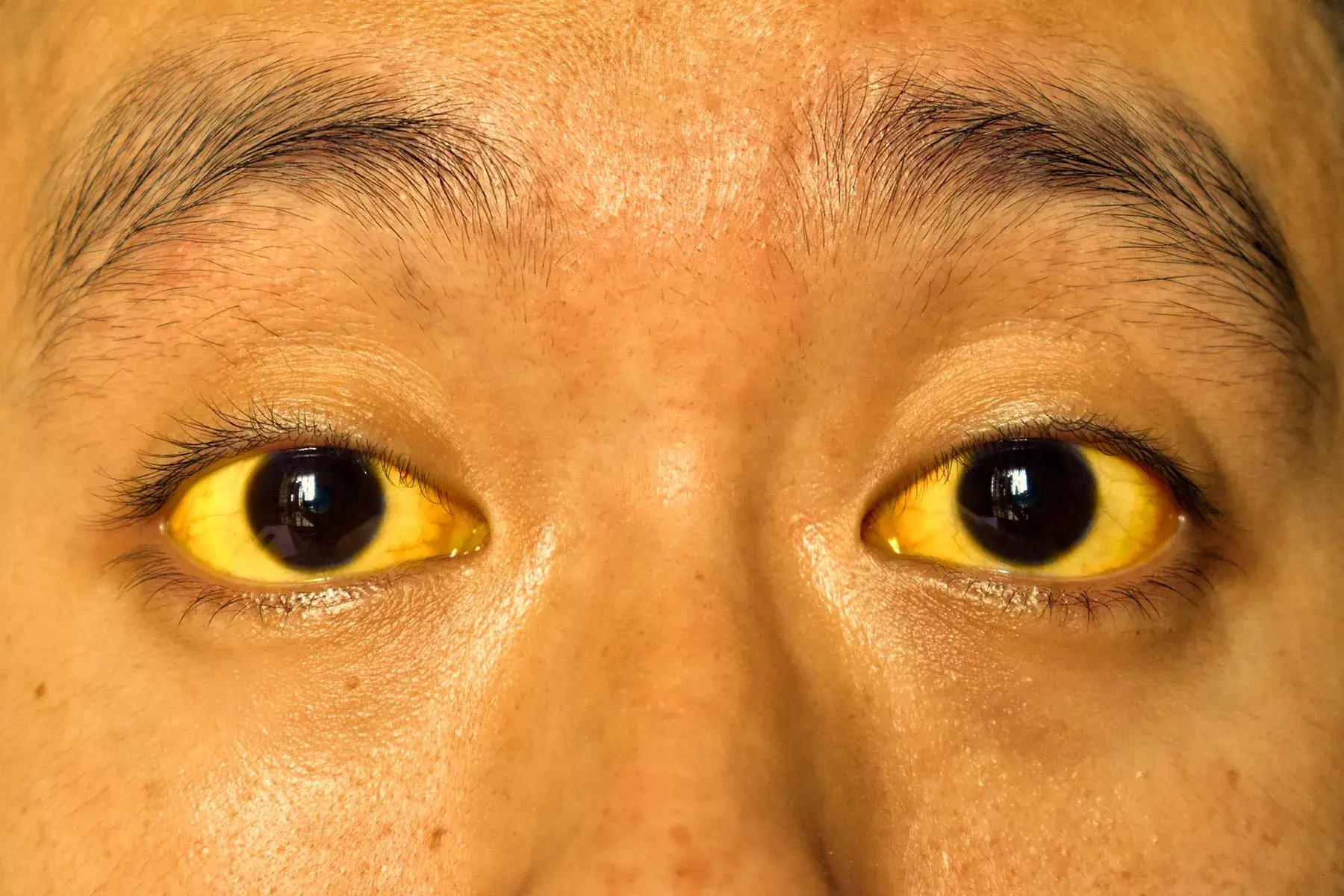
The pancreas is a small but extremely important organ located deep inside the abdomen, behind the stomach. Although many people rarely think about it, the pancreas performs two essential jobs that help keep the body functioning properly.
First, it produces digestive enzymes that help break down food, allowing the body to absorb nutrients. Second, it produces hormones, including insulin, which helps regulate blood sugar levels.
Because the pancreas is located deep inside the body, changes affecting it may not be immediately noticeable. Unlike certain skin conditions, which can produce visible changes, pancreatic diseases can develop without obvious external warning signs.
Pancreatic cancer occurs when abnormal cells begin growing uncontrollably in pancreatic tissue. The most common form begins in the cells lining the ducts that carry digestive enzymes through the pancreas.
One of the biggest challenges is that pancreatic cancer often causes no noticeable symptoms during its earliest stages. When symptoms eventually appear, they may resemble those of common digestive conditions.
This is why understanding possible warning signs is important, particularly when symptoms are persistent, unexplained, or occur together.
1. Yellowing of the Skin and Eyes
One of the most important symptoms associated with pancreatic cancer is jaundice.
Jaundice occurs when bilirubin, a yellow pigment produced during the normal breakdown of red blood cells, builds up in the body.
Under normal circumstances, the liver processes bilirubin and releases it into bile. Bile travels through small ducts into the digestive system.
However, a tumor located near the head of the pancreas may press against or block the common bile duct.
When bile cannot drain properly, bilirubin accumulates in the bloodstream, potentially causing noticeable yellowing.
People may observe several changes:
-
The whites of the eyes become yellow.
-
The skin develops a yellowish appearance.
-
Urine becomes unusually dark.
-
Stools become pale or clay-colored.
-
The skin becomes persistently itchy.
Jaundice is particularly important because it may be one of the first noticeable signs of pancreatic cancer, especially when a tumor obstructs the bile duct.
However, jaundice does not automatically mean cancer is present.
Gallstones, hepatitis, liver disease, and other conditions can also cause bilirubin to accumulate.
Anyone who develops unexplained yellowing of the eyes or skin should seek prompt medical assessment. It is not a symptom that should be ignored or treated only with home remedies.
2. Unexplained Weight Loss
Another possible warning sign is losing weight without deliberately changing eating habits or increasing physical activity.
Many people associate weight loss with dieting, exercise, or lifestyle changes.
However, unexplained weight loss is different.
A person may continue eating relatively normally but notice that their clothes are becoming looser, their face appears thinner, or their usual body weight is gradually decreasing.
Pancreatic cancer can contribute to weight loss through several mechanisms.
A tumor may interfere with the production or delivery of digestive enzymes, making it harder for the body to digest and absorb nutrients.
Cancer can also affect metabolism, appetite, and the body's energy requirements.
As a result, someone may lose muscle mass and body fat.
The changes are not always dramatic at first.
A person might initially notice that their belt needs tightening or that they have lost several kilograms over a relatively short period.
Nevertheless, unexplained weight loss has many possible causes, including thyroid disorders, digestive diseases, diabetes, infections, and other cancers.
It is important to investigate persistent weight loss rather than immediately assuming the worst.
If weight continues to fall without an obvious explanation, a healthcare professional can review the person's medical history, nutritional status, and other symptoms.
Why These Two Symptoms Deserve Attention
Jaundice and unexplained weight loss are among the symptoms that medical professionals take seriously when evaluating possible pancreatic disease.
They are particularly concerning when they occur together or are accompanied by abdominal discomfort, changes in bowel movements, or reduced appetite.
The key is not to diagnose yourself based on a single symptom.
Instead, recognize unusual changes, document when they started, and seek appropriate medical advice.
The National Cancer Institute and the NHS both emphasize that pancreatic cancer can be difficult to identify early because noticeable symptoms may be absent or nonspecific.
Pancreatic Cancer - NCI+2
Chapter 2: Abdominal Pain and Digestive Problems You Should Not Ignore

The digestive system depends on several organs working together.
The stomach breaks down food, the intestines absorb nutrients, the liver produces bile, and the pancreas supplies enzymes that help digest fats, proteins, and carbohydrates.
When the pancreas becomes affected by disease, digestive processes may change.
Some people experience discomfort that initially resembles ordinary indigestion.
Others notice persistent pain in the upper abdomen or back.
These symptoms are not specific to pancreatic cancer, but unexplained or worsening discomfort deserves attention.
3. Persistent Pain in the Upper Abdomen
Abdominal pain is one of the symptoms that may occur as pancreatic cancer develops.
The discomfort is often located in the upper abdomen, sometimes around the area beneath the ribs.
Some people describe it as a dull ache, while others experience pressure, persistent discomfort, or pain that becomes more noticeable after eating.
The location and intensity can vary depending on where a tumor develops.
A tumor in the head of the pancreas may cause different symptoms from one located in the body or tail.
As a tumor grows, it may affect nearby tissues, nerves, or organs.
This can contribute to persistent discomfort.
People sometimes mistake this sensation for:
-
Ordinary indigestion.
-
Stomach irritation.
-
Acid reflux.
-
Gallbladder problems.
-
Muscle strain.
The problem is that these conditions can produce similar symptoms.
Occasional abdominal discomfort after a large meal is common and does not necessarily indicate a serious disease.
However, pain that repeatedly returns, becomes progressively worse, or occurs alongside unexplained weight loss should be assessed.
It is especially important to mention symptoms that are new or different from a person's usual digestive problems.
4. Pain That Spreads Toward the Back
Another possible symptom is pain that begins in the upper abdomen and extends toward the middle or upper back.
The pancreas lies deep inside the abdomen, close to several important structures and nerves.
As a result, pancreatic disease can sometimes produce discomfort that is felt in areas beyond the organ itself.