Persistent digestive symptoms deserve attention, especially when they represent a significant change from your normal pattern.
10. Recurrent Fevers, Night Sweats, or Unexplained Swelling
Fever and night sweats are commonly associated with infections.
A person may experience these symptoms when the immune system responds to bacteria, viruses, or other causes of inflammation.
However, persistent or unexplained episodes may sometimes be associated with certain cancers.
Some blood cancers, including lymphoma and leukemia, can affect the immune system and cause systemic symptoms.
These may include:
-
Recurrent fever without an obvious infection.
-
Heavy night sweats that soak clothing or bedding.
-
Unexplained weight loss.
-
Persistent fatigue.
-
Enlarged lymph nodes.
-
Frequent infections.
-
Unusual bruising.
Lymph nodes are small structures that help the immune system detect and respond to infections and other threats.
They can become enlarged when the body is fighting an infection.
In some cases, however, persistent enlargement may be associated with lymphoma or another condition.
An enlarged lymph node does not automatically indicate cancer.
For example, swollen lymph nodes commonly occur during throat infections, dental infections, and viral illnesses.
What matters is whether the swelling persists, grows, or occurs alongside other unexplained symptoms.
If you experience repeated unexplained fevers, drenching night sweats, or persistent swollen lymph nodes, arrange a medical evaluation.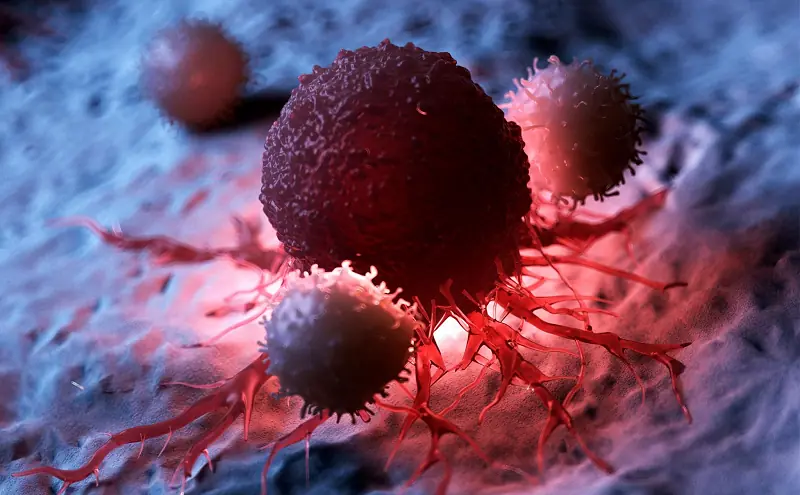
11. Why Early Detection Can Make a Difference
Recognizing possible warning signs is important, but understanding the value of early detection is equally essential.
Cancer is not a single disease. It includes many different conditions that behave differently, develop at different speeds, and respond to different treatments.
Some cancers are more treatable when discovered at an earlier stage, before they have spread to nearby tissues or distant organs.
Early detection may allow doctors to consider treatment options that would be less effective or more difficult to use at a later stage.
Depending on the cancer type and individual circumstances, treatment may involve surgery, radiation therapy, chemotherapy, immunotherapy, targeted therapy, hormone therapy, or a combination of approaches.
However, early detection does not guarantee a cure, and not every cancer can be prevented or found through screening.
The important distinction is between recognizing symptoms and participating in recommended screening.
Screening Is Different From Diagnostic Testing
Cancer screening involves testing people who do not have symptoms to identify certain cancers at an earlier stage.
Examples of established screening programs include:
-
Breast cancer screening with mammography for eligible individuals.
-
Cervical cancer screening with HPV testing and/or cervical cytology.
-
Colorectal cancer screening using recommended stool tests or visual examinations.
-
Lung cancer screening with low-dose CT for certain people at high risk, particularly those with significant smoking histories.
The recommended tests and starting ages vary according to country, personal risk factors, and medical guidelines.
Screening is not appropriate for every type of cancer.
For example, there is currently no routine population-wide screening test recommended for all average-risk people for pancreatic cancer.
If you have symptoms, do not wait for your next routine screening appointment. Screening tests are designed for people without symptoms; persistent symptoms may require diagnostic evaluation.
12. What Should You Do If You Notice One of These Signs?
The first step is not to panic.
Remember that the warning signs discussed in this article can be caused by many different conditions.
Having one symptom does not mean you have cancer.
Instead, focus on identifying whether the symptom is unusual for you, how long it has lasted, and whether it is becoming worse.
Here are some practical steps you can take.
Keep Track of Your Symptoms
Write down when the symptom started and how frequently it occurs.
For example:
-
When did you first notice the change?
-
Has it become more frequent?
-
Is it getting worse?
-
Does anything make it better or worse?
-
Are there other symptoms occurring at the same time?
This information can help your healthcare professional understand the situation.
Avoid Self-Diagnosis
Searching for symptoms online can sometimes be helpful, but it can also lead to unnecessary fear.
A headache, stomachache, cough, or swollen lymph node can have dozens of possible explanations.
Do not assume that the most serious explanation is the correct one.
Likewise, do not dismiss a persistent symptom simply because you feel otherwise healthy.
Arrange a Medical Appointment
If a symptom is persistent, unexplained, worsening, or unusual for you, arrange an appointment with a healthcare professional.
Depending on your symptoms, your doctor may recommend:
-
A physical examination.
-
Blood tests.
-
Urine tests.
-
Imaging such as ultrasound, X-ray, CT, or MRI.
-
Endoscopy or colonoscopy.
-
A biopsy when necessary.
Not everyone needs all these tests.
The appropriate evaluation depends on the symptoms, medical history, age, risk factors, and examination findings.
Seek Urgent Care for Severe Symptoms
Some symptoms require immediate attention, regardless of whether cancer is suspected.
These include severe difficulty breathing, major bleeding, sudden vision loss, severe chest pain, or an inability to swallow.