Breast cancer is one of the most common cancers affecting women worldwide. The good news is that early detection can make a major difference in diagnosis and treatment options.
Many breast changes are not caused by cancer. Breasts naturally change with age, hormonal fluctuations, pregnancy, breastfeeding, weight changes, medications, and menstrual cycles. A lump, for example, may be caused by a benign cyst or another noncancerous condition.
Still, knowing what changes deserve medical attention can help you recognize something unusual and get it checked promptly.
Here are 10 possible warning signs of breast cancer that every woman should know.

1. A New Lump or Thickened Area
One of the best-known possible signs of breast cancer is a new lump in the breast or underarm.
A suspicious lump may feel:
-
Firm or hard
-
Different from surrounding tissue
-
Relatively fixed in place
-
Painless
However, cancerous lumps don't always feel hard, and they aren't necessarily painless.
Likewise, most breast lumps are not cancer.
Benign conditions such as cysts, fibroadenomas, and fibrocystic breast changes can also cause lumps.
The important point is that a new or persistent lump should be evaluated rather than diagnosed by touch alone.
2. A Change in Breast Size or Shape
Pay attention if one breast develops a noticeable change in:
-
Size
-
Shape
-
Contour
-
Position
Breast asymmetry is extremely common, and many women naturally have one breast that is slightly larger than the other.
What matters is a new or unexplained change.
For example, if one breast suddenly appears different from its usual shape or becomes noticeably distorted, it is worth discussing with a healthcare professional.
3. Skin Changes on the Breast
Changes in the skin covering the breast can sometimes be a warning sign.
Look for:
-
Redness
-
Thickening
-
Swelling
-
Persistent irritation
-
Dimpling
-
A change in texture
One particularly recognizable description is "orange-peel" skin, medically known as peau d'orange.
The skin may appear thickened and have small dimples resembling the surface of an orange.
This can occur with inflammatory breast cancer, although other conditions can also cause breast skin changes.
4. Nipple Changes
The nipple can sometimes provide an important clue.
Possible changes include:
-
A newly inverted nipple
-
A nipple that changes direction
-
Persistent crusting
-
Scaling
-
Unusual thickening
-
Changes in its appearance
Some women naturally have inverted nipples, and this can be completely normal.
The concern is primarily when a nipple that was previously normal becomes newly inverted or changes unexpectedly.
Persistent nipple changes should be evaluated by a healthcare professional.
5. Unusual Nipple Discharge
Nipple discharge can have many causes, and most are not cancer.
Discharge can occur because of:
-
Hormonal changes
-
Pregnancy
-
Breastfeeding
-
Medications
-
Benign breast conditions
-
Infection
However, spontaneous discharge from one breast, particularly if it is bloody or clear, deserves medical evaluation.
A doctor may examine the breast and determine whether additional testing is appropriate.
Do not squeeze the nipple repeatedly to check for discharge, as this can sometimes stimulate further discharge.
6. Persistent Breast Pain or Discomfort
Breast pain is common, particularly around menstruation.
Hormonal changes can make breast tissue:
-
Tender
-
Swollen
-
Sensitive
-
Achy
Breast pain by itself is not usually a typical sign of breast cancer.
However, persistent, localized, or unexplained pain should still be assessed, particularly when it occurs alongside another breast change.
Don't assume that pain automatically means cancer—but don't ignore persistent unexplained symptoms either.
7. Swelling in Part or All of the Breast
Another possible warning sign is unexplained swelling.
A breast may appear:
-
Larger than usual
-
Heavier
-
More swollen
-
Different in contour
Sometimes swelling can occur even when there isn't an obvious lump.
Inflammatory breast cancer, for example, can cause rapid swelling, redness, warmth, and changes in skin texture.
But infections such as mastitis can produce similar symptoms.
That's why the cause needs to be determined medically rather than assumed from appearance alone.
8. A Change in Breast Texture
Breast tissue can naturally feel different at different points in the menstrual cycle.
However, pay attention to a persistent change such as:
-
A hardened area
-
Thickened tissue
-
A newly firm region
-
A distinct difference compared with the other breast
Sometimes the change may be subtle.
Knowing what your breasts normally look and feel like can make it easier to recognize something unusual.
9. Swelling or a Lump in the Underarm
Breast tissue extends toward the armpit, and lymph nodes are located there.
A lump or swelling in the underarm can occur for many reasons, including:
-
Infection
-
Skin irritation
-
Vaccination
-
Benign lymph-node enlargement
-
Other medical conditions
Breast cancer can sometimes spread to nearby lymph nodes, causing enlargement.
Therefore, a persistent or unexplained underarm lump should be evaluated, especially when accompanied by a breast change.

10. A Breast Change That Doesn't Go Away
Perhaps the most important sign is simply something unusual that persists.
You might notice:
-
A lump that remains
-
Skin changes that don't resolve
-
Persistent nipple changes
-
Ongoing swelling
-
A new difference between the breasts
Not every concerning change looks dramatic.
Sometimes the most important clue is that something is different from your normal baseline and doesn't return to normal.
Why Knowing Your Normal Breast Appearance Matters
Breasts naturally change throughout a woman's life.
Changes can occur during:
-
Puberty
-
Menstruation
-
Pregnancy
-
Breastfeeding
-
Perimenopause
-
Menopause
-
Weight changes
-
Hormonal treatment
Because of this, there is no single appearance or texture that is "normal" for every woman.
Instead, become familiar with your own normal.
That way, a new change may be easier to recognize.
Breast Self-Awareness vs. Self-Diagnosis
Being familiar with your breasts doesn't mean you need to perform an elaborate examination every day.
The goal is simply to notice changes.
You might occasionally pay attention while:
-
Showering
-
Getting dressed
-
Applying lotion
-
Looking in the mirror
Notice whether anything looks or feels different from usual.
If you find something unusual, don't immediately assume the worst.
Instead, arrange an appropriate medical evaluation.
Not Every Breast Lump Is Cancer
This is extremely important.
Many breast lumps are benign.
Common noncancerous causes include:
Cysts
Fluid-filled sacs that may become tender around menstruation.
Fibroadenomas
Benign solid breast tumors that are particularly common in younger women.
Fibrocystic Changes
Hormonal changes can make breast tissue feel lumpy or rope-like.
Infections
Breast infections can cause pain, redness, warmth, and swelling.
Therefore, a lump does not equal cancer.
But the only way to determine what a persistent or suspicious lump represents is through appropriate medical evaluation.
What About Breast Pain?
Breast pain is one of the symptoms that often causes anxiety.
Fortunately, pain alone is generally less suggestive of breast cancer than a new mass or other structural change.
Hormonal breast pain often:
-
Occurs before menstruation
-
Affects both breasts
-
Feels generalized
-
Improves after the menstrual period
However, persistent pain in one specific area or pain accompanied by a lump, skin change, or nipple abnormality should be evaluated.
When Should You See a Doctor?
Consider making an appointment if you notice:
-
A new breast lump
-
A persistent thickened area
-
A newly inverted nipple
-
Bloody or spontaneous nipple discharge
-
Persistent skin changes
-
Unexplained swelling
-
A new change in breast size or shape
-
A persistent underarm lump
You don't need to wait until a symptom becomes severe.
Getting a concerning change checked doesn't mean you have cancer.
It simply means you're taking the uncertainty out of the situation.
What Tests Might a Doctor Recommend?
The evaluation depends on your age, symptoms, personal history, and the characteristics of the breast change.
A healthcare professional may perform a physical examination and recommend imaging such as:
Mammography
A low-dose X-ray examination of the breast used for screening and diagnostic evaluation.
Ultrasound
Uses sound waves to examine breast tissue and can help distinguish fluid-filled cysts from solid masses.
MRI
Breast MRI may be recommended for certain women at higher risk or for specific diagnostic questions.
Biopsy
If imaging identifies a suspicious area, a biopsy may be performed to examine cells or tissue under a microscope.
Importantly, imaging cannot always provide a definitive diagnosis. A biopsy may be necessary when cancer is suspected.
Why Screening Still Matters
One of the most important facts about breast cancer is that it can sometimes develop without obvious symptoms.
That's why recommended screening is important, especially for women in age groups or risk categories where screening is advised.
Screening recommendations vary depending on:
-
Age
-
Family history
-
Genetic risk
-
Previous breast conditions
-
Personal medical history
-
Country-specific guidelines
Talk with your healthcare professional about the screening schedule that's appropriate for you.
Family History Can Change Your Risk
Having a close relative with breast cancer can increase your risk, particularly when several relatives are affected or cancer occurred at a younger age.
Genetic mutations such as BRCA1 and BRCA2 can also substantially increase breast and ovarian cancer risk.
However, most women diagnosed with breast cancer do not have a known inherited mutation.
So even without a family history, paying attention to breast health remains important.
Lifestyle Factors Also Matter
Breast cancer risk is influenced by many factors.
Some are beyond your control, such as:
-
Age
-
Genetics
-
Family history
-
Reproductive history
But some lifestyle factors are modifiable.
These include:
-
Physical inactivity
-
Alcohol consumption
-
Excess body weight, particularly after menopause
-
Smoking
Regular physical activity and maintaining a healthy weight can contribute to overall health and may reduce the risk of several cancers.
Alcohol and Breast Cancer Risk
Alcohol consumption is an established risk factor for breast cancer.
Risk generally increases with greater alcohol consumption.
If you drink alcohol, reducing intake can be one way to lower your overall risk.
And if you don't drink, there is no health reason to start drinking alcohol for supposed cardiovascular or other benefits.
Can Diet Prevent Breast Cancer?
No single food can guarantee protection against breast cancer.
However, a balanced dietary pattern rich in:
-
Vegetables
-
Fruits
-
Whole grains
-
Beans
-
Nuts
-
Seeds
-
Fish and other nutritious protein sources
can support overall health.
It's better to focus on your overall dietary pattern than searching for one "cancer-fighting" food.
A Note About Breast Cancer in Men
Breast cancer isn't exclusively a women's disease.
Men can also develop breast cancer, although it is much less common.
A man who notices a persistent breast lump, nipple discharge, nipple inversion, or other unusual breast change should also seek medical evaluation.
What You Shouldn't Do
If you notice a breast change, avoid:
Ignoring it because it doesn't hurt
Some breast cancers cause no pain.
Assuming every lump is cancer
Most breast changes are not cancer.
Assuming every lump is harmless
A persistent or suspicious change still needs evaluation.
Waiting months to see whether it disappears
If you're concerned, make an appointment rather than repeatedly postponing it.
Relying on social media for diagnosis
Online descriptions can't replace a physical examination and appropriate imaging.
A Simple Breast Health Checklist
Every woman can keep these basic principles in mind:
Know your normal.
Become familiar with the usual appearance and feel of your breasts.
Notice changes.
Look for new lumps, skin changes, nipple changes, swelling, or unusual discharge.
Don't panic.
Most breast changes are not cancer.
Don't ignore persistent changes.
Arrange a medical evaluation when something unusual doesn't resolve.
Follow recommended screening.
Your screening schedule should reflect your age and individual risk.
Know your family history.
Tell your healthcare professional about breast or ovarian cancers in close relatives.
The Bottom Line
There are many possible signs of breast cancer, but none of them can diagnose the disease on their own.
The most important changes to know include:
-
A new lump or thickened area
-
A change in breast size or shape
-
Persistent skin changes
-
A newly inverted or altered nipple
-
Unusual nipple discharge
-
Persistent or unexplained breast discomfort
-
Unexplained swelling
-
A persistent change in breast texture
-
An unexplained underarm lump or swelling
-
Any new breast change that doesn't go away
At the same time, many of these symptoms can have benign explanations.
The goal isn't to make women fearful of every change.
The goal is to make women aware enough to recognize something unusual and seek appropriate care when necessary.
Final Thoughts
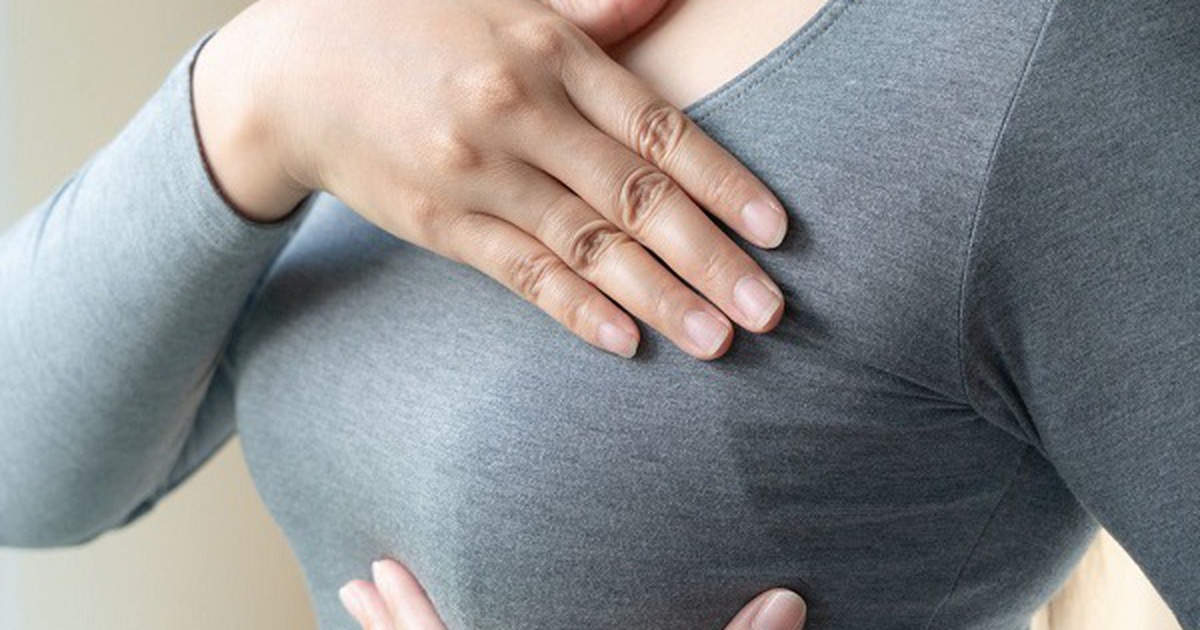
Breast health isn't about constantly worrying or checking your breasts for signs of disease. It's about awareness, appropriate screening, and taking persistent changes seriously.
A lump may be a cyst. Nipple discharge may have a hormonal cause. Breast pain may be related to the menstrual cycle. Skin redness may be an infection.
But because breast cancer can sometimes present with subtle or painless changes, it's important not to dismiss something that is new, unusual, or persistent.
If you notice a change, don't diagnose yourself based on a social media post or online checklist. Make an appointment with a qualified healthcare professional.
Early evaluation can provide reassurance when a change is harmless—and when further testing is necessary, it can help ensure that appropriate care begins as soon as possible.
Knowing your body isn't about expecting the worst. It's about giving yourself the best chance to recognize when something deserves attention.