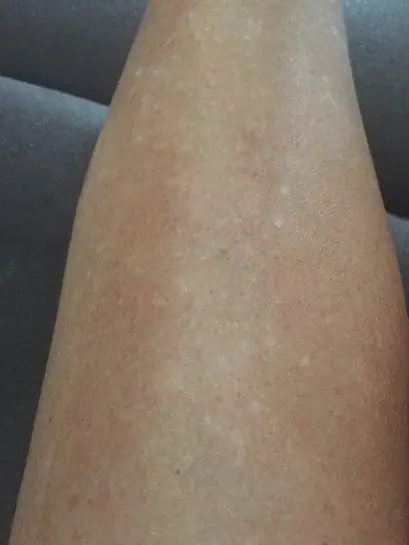
Tiny White Spots on Your Arms or Legs? Here’s What They Could Be Telling You
Tiny white spots may reveal harmless changes—or signs worth checking early.
Health 10/07/2026 01:15


 6
6
Breast cancer is one of the most common cancers affecting women worldwide, but advances in screening and treatment have significantly improved survival rates. One of the biggest reasons for this progress is early detection.
While many breast cancers are discovered during routine mammograms before symptoms appear, some people first notice subtle changes in their breasts or surrounding areas. Most breast changes are not caused by cancer—they are often due to hormonal fluctuations, benign cysts, infections, or other non-cancerous conditions. However, recognizing persistent warning signs and seeking medical evaluation promptly can make a crucial difference.
Below are 10 early signs of breast cancer that everyone should be aware of.
The most well-known symptom of breast cancer is a new lump or thickened area in the breast or underarm.
A suspicious lump may feel:
Many breast lumps are actually benign, such as cysts or fibroadenomas. Still, any new lump that persists should be examined by a healthcare provider.
If one breast suddenly becomes noticeably larger, smaller, swollen, or changes shape without an obvious reason, it deserves attention.
Although hormonal changes can affect breast size, persistent asymmetry or swelling should be evaluated, particularly if it occurs with other symptoms.
Breast pain is common and is most often unrelated to cancer. It frequently results from:
However, pain that:
should be discussed with a healthcare professional.

 4
4
Changes in the skin covering the breast can sometimes signal an underlying problem.
Watch for:
These changes can occur with inflammatory breast cancer or other breast conditions and should be assessed promptly.
Pay attention if the nipple suddenly:
These symptoms may have several causes, including eczema or infection, but persistent changes require medical evaluation.
A small amount of discharge during pregnancy or breastfeeding is normal.
Outside of these situations, spontaneous nipple discharge—especially if it is:
should be evaluated by a healthcare provider.
Breast tissue extends into the underarm area.
Swollen lymph nodes beneath the arm or above the collarbone may develop for many reasons, including infections. However, lymph nodes that remain enlarged or continue growing should be examined, as they may occasionally indicate breast cancer or another medical condition.
If one breast becomes:
and symptoms do not improve, medical evaluation is important.
While infection (mastitis) is a common cause, persistent inflammation may require further investigation.
Some people notice that one area of the breast feels:
These texture changes may be subtle and are sometimes detected only during self-examination or clinical examination.
Any persistent change should be assessed.
Although less common as an early symptom, some individuals report:
that persists without injury or another clear explanation.
These symptoms alone are not typical signs of breast cancer, but when they occur alongside breast changes, they warrant medical attention.
Rather than focusing on a rigid monthly technique, experts now encourage breast self-awareness—becoming familiar with how your breasts normally look and feel.
You should contact your healthcare provider if you notice:
Knowing what is normal for your body makes it easier to recognize changes early.
Regular breast cancer screening recommendations vary depending on:
For many women at average risk, routine mammography begins in midlife, but the exact starting age and frequency differ among medical organizations and individual risk factors. Discuss the most appropriate screening schedule with your healthcare provider.
Women at higher risk may need:
Although not all breast cancers can be prevented, healthy lifestyle choices may reduce risk:
Most breast changes are not cancer, but they should never be ignored if they are new, persistent, or continue to worsen. A lump, changes in breast shape, skin dimpling, nipple discharge, swelling, or ongoing pain can all have benign explanations—but only a proper medical evaluation can determine the cause.
The most powerful tool against breast cancer is early detection. Becoming familiar with your normal breast appearance, keeping up with recommended screening, and seeking prompt medical advice when changes occur can lead to earlier diagnosis and better treatment outcomes.
If you notice something unusual, don't panic—but don't wait. Early evaluation could make all the difference.
Tiny white spots may reveal harmless changes—or signs worth checking early.

A bitter bite could signal natural toxins that may seriously harm your kidneys.

A village with strikingly low cancer rates—and their secret isn’t expensive supplements
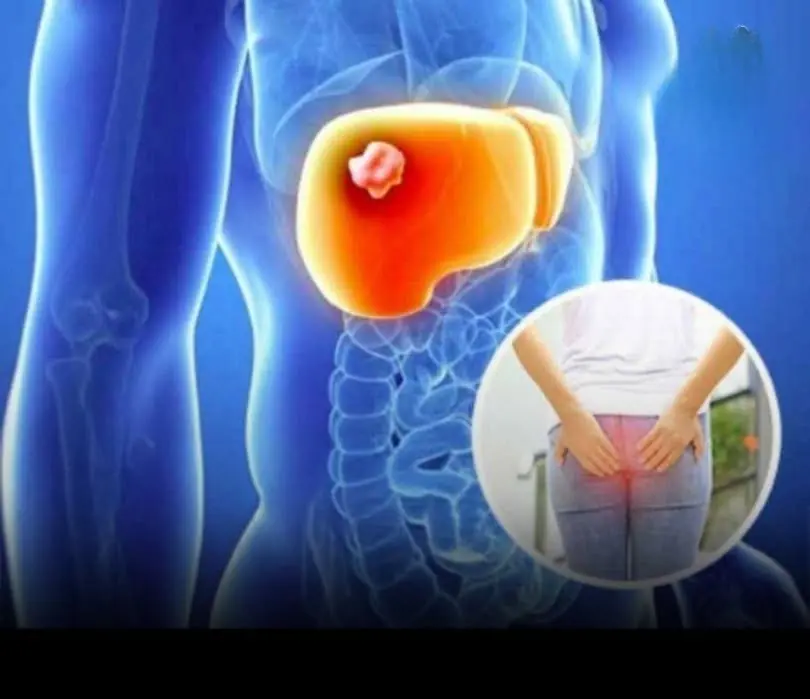
Li.ver Can.cer Doesn’t Start Loud—It Starts Quiet

🥦💚 Thinking About Eating More Broccoli? Here's What Experts Want You to Know 👇

Many People Believe Coconut Water Is Good for the Kidneys—Here's Why 🥥👀
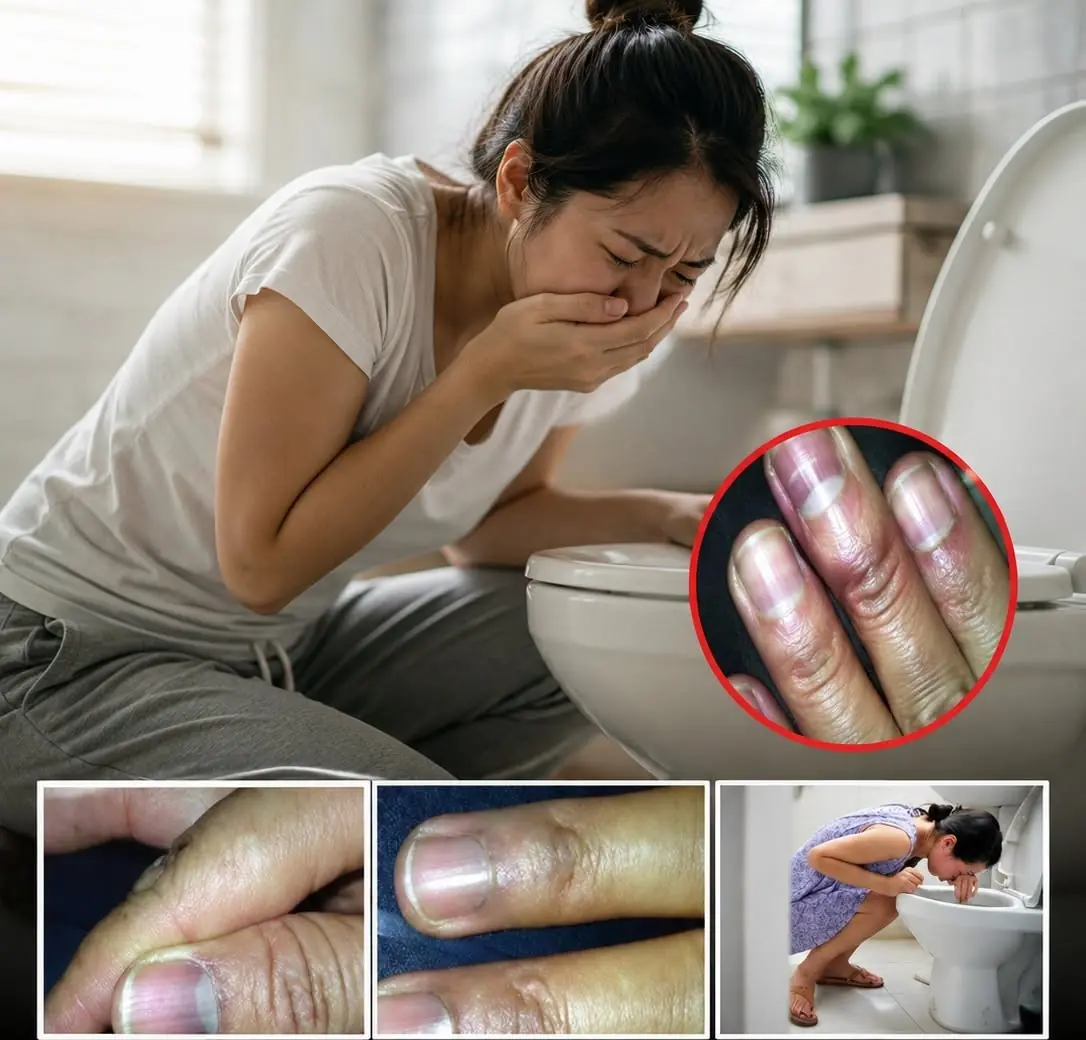
Doctors Warn: These 7 Morning Changes Could Be Early Signs of Can.Cer

5 Types of People Who May Need to Be Careful With Jackfruit

Have You Ever Wondered Why Flight Attendants Sit on Their Hands During Takeoff?

Should Bananas Be Part of Your Bedtime Routine? Here's What Experts Say 🍌

Doctors Warn This “Bitter Vegetable” May Be More Toxic Than Arsenic If Eaten Incorrectly

Chicken Feet Are Packed With Nutrients—Here's What You Should Know 👀

This common kitchen herb may do much more than flavor your food
Doctors say many people overlook these early symptoms until it's too late.

Frequent nighttime leg cramps may signal more than simple muscle fatigue.
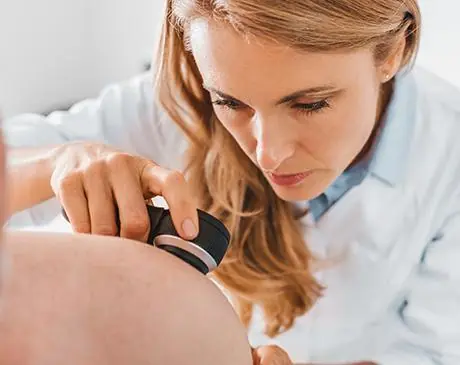
Persistent unexplained itching deserves attention, especially with other symptoms.

Healthy hydration and diet help protect children's kidneys every day.
Most People Blame Their Desk Job—But Doctors Say It Could Be Something Else.
Your Nighttime Leg Cramps May Be Linked to More Than Just Fatigue
Tiny white spots may reveal harmless changes—or signs worth checking early.
A bitter bite could signal natural toxins that may seriously harm your kidneys.
A village with strikingly low cancer rates—and their secret isn’t expensive supplements
Li.ver Can.cer Doesn’t Start Loud—It Starts Quiet
🥦💚 Thinking About Eating More Broccoli? Here's What Experts Want You to Know 👇
Many People Believe Coconut Water Is Good for the Kidneys—Here's Why 🥥👀
Doctors Warn: These 7 Morning Changes Could Be Early Signs of Can.Cer
5 Types of People Who May Need to Be Careful With Jackfruit
Have You Ever Wondered Why Flight Attendants Sit on Their Hands During Takeoff?
Should Bananas Be Part of Your Bedtime Routine? Here's What Experts Say 🍌
Doctors Warn This “Bitter Vegetable” May Be More Toxic Than Arsenic If Eaten Incorrectly
Chicken Feet Are Packed With Nutrients—Here's What You Should Know 👀
This common kitchen herb may do much more than flavor your food
Doctors say many people overlook these early symptoms until it's too late.
Frequent nighttime leg cramps may signal more than simple muscle fatigue.

Choosing respectful funeral attire honors both tradition and grieving families.
Persistent unexplained itching deserves attention, especially with other symptoms.
Healthy hydration and diet help protect children's kidneys every day.
Most People Blame Their Desk Job—But Doctors Say It Could Be Something Else.