Petroleum jelly has been a staple in medicine cabinets and skincare routines for well over a century. Despite the growing popularity of expensive creams, serums, and specialty moisturizers, this simple product continues to be recommended by many dermatologists for its ability to protect the skin and help maintain its natural moisture barrier.
Made from a highly refined mixture of mineral oils and waxes, cosmetic-grade petroleum jelly forms a protective layer on the surface of the skin. Rather than adding moisture directly, it works by reducing water loss from the skin, allowing it to stay hydrated for longer periods.
When used appropriately, petroleum jelly can be a versatile addition to your skincare routine. However, it is not suitable for every situation. It should be applied to clean skin, and it is generally not recommended for use on infected wounds, severe burns, or acne-prone areas without professional guidance.
Here are ten practical and evidence-based ways petroleum jelly may help support healthier, softer skin.
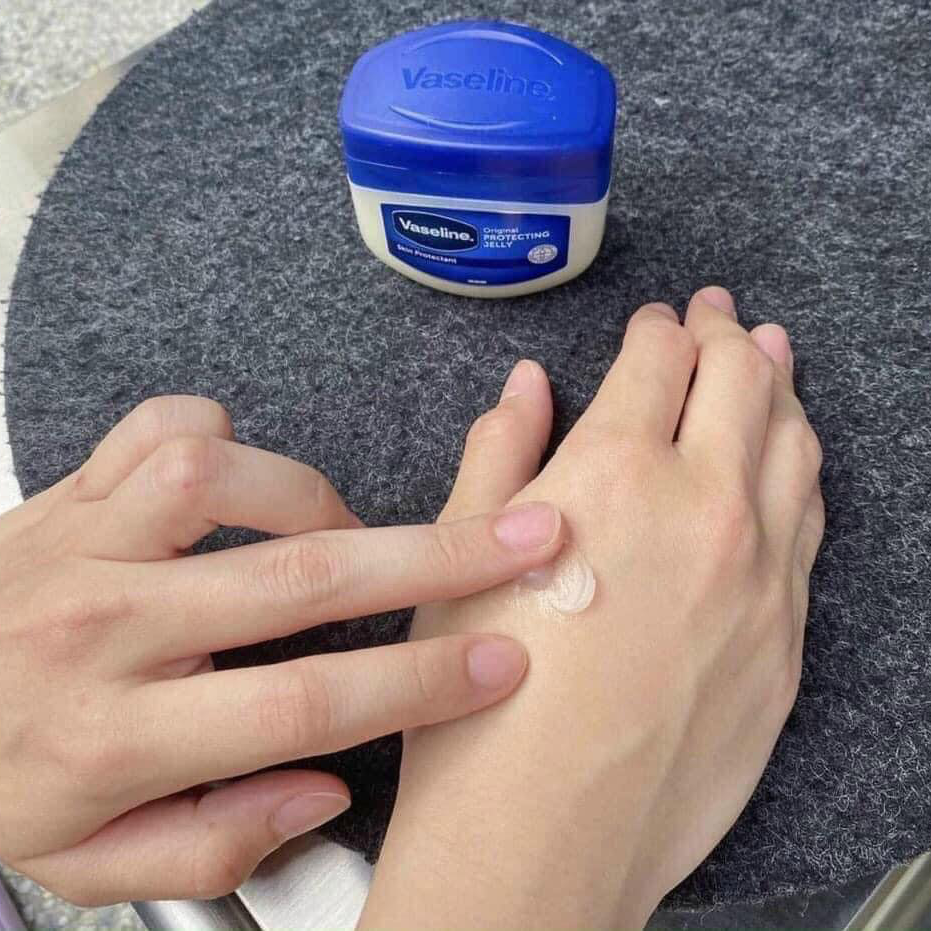
1. Helps Lock In Moisture
One of petroleum jelly's best-known benefits is its ability to prevent transepidermal water loss (TEWL)—the natural evaporation of water from the skin.
When applied after washing your face or hands, petroleum jelly creates a protective barrier that helps keep moisture inside the skin.
This can be especially beneficial during:
-
Cold weather
-
Dry climates
-
Winter months
-
Air-conditioned environments
-
Frequent hand washing
Unlike many moisturizers that contain water, petroleum jelly primarily acts as an occlusive, sealing in the moisture already present in your skin.
For best results, apply it immediately after bathing while your skin is still slightly damp.
2. Softens Dry, Cracked Skin
Areas such as the heels, elbows, knees, and hands often become rough because they experience frequent friction and naturally contain fewer oil glands.
Applying petroleum jelly overnight may help soften these dry areas.
A simple routine includes:
-
Wash and dry the affected area.
-
Apply a generous layer of petroleum jelly.
-
Cover with cotton socks or gloves if appropriate.
-
Rinse gently the following morning if desired.
With regular use, many people notice smoother skin and reduced roughness.
3. Helps Protect Minor Cuts and Scrapes
After cleaning a minor cut or scrape, keeping the wound slightly moist may promote healing more effectively than allowing it to dry out completely.
Petroleum jelly helps create a protective barrier that can:
-
Reduce moisture loss
-
Protect against friction
-
Support the skin's natural healing process
The American Academy of Dermatology notes that keeping minor wounds moist with petroleum jelly may help reduce scab formation and minimize scarring.
However, petroleum jelly should only be applied after the wound has been properly cleaned. Seek medical care for deep wounds, animal bites, puncture wounds, or signs of infection such as increasing redness, warmth, swelling, or pus.
4. Helps Relieve Chapped Lips
The skin on the lips is thinner than the skin on most other parts of the body, making it more susceptible to dryness.
Cold weather, wind, sun exposure, dehydration, and frequent lip licking can all contribute to cracked lips.
Applying a small amount of petroleum jelly helps seal in moisture and protect the lips from environmental irritants.
For daytime use, consider using a lip balm that also contains sunscreen, as petroleum jelly itself does not provide UV protection.
5. Supports the Skin Barrier in People With Dry Skin
Healthy skin has a protective barrier that helps retain moisture while keeping out irritants and harmful microorganisms.
When this barrier becomes damaged, the skin may feel:
-
Dry
-
Tight
-
Rough
-
Itchy
-
Sensitive
Petroleum jelly can support the skin barrier by reducing water loss and protecting the surface while the skin repairs itself.
Many dermatologists recommend petroleum jelly as part of skincare routines for people with chronic dry skin or eczema, though treatment plans should always be individualized.
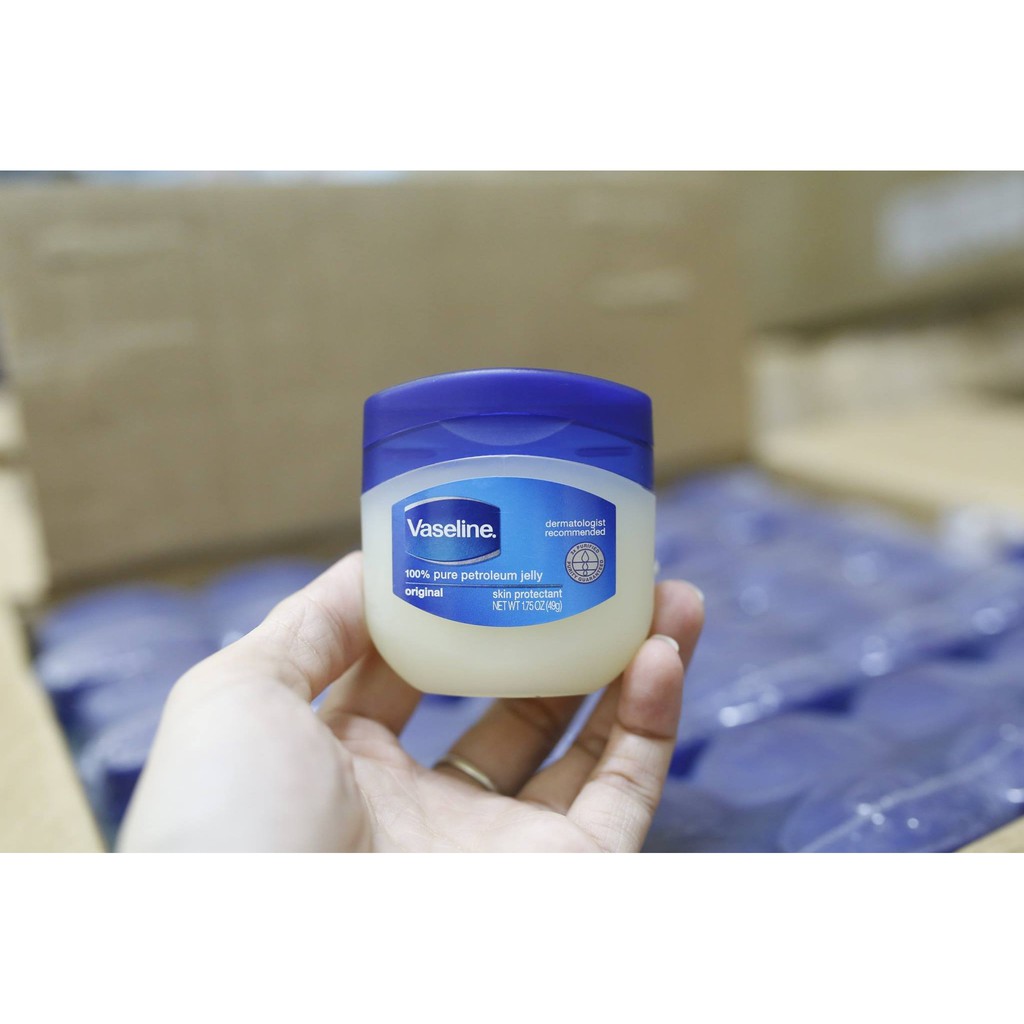
6. Reduces Friction and Chafing
Skin rubbing against skin or clothing may cause irritation during exercise or daily activities.
Common areas include:
-
Inner thighs
-
Underarms
-
Feet
-
Chest
-
Around medical devices or braces
Applying a thin layer of petroleum jelly before physical activity can help reduce friction and make movement more comfortable.
This simple technique is often used by runners, cyclists, and hikers to help prevent chafing during long periods of activity.
7. Helps Protect Hands From Frequent Washing
Frequent hand washing and repeated use of alcohol-based hand sanitizers may dry out the skin by removing natural oils.
Healthcare workers, food service employees, and people who wash their hands frequently often experience:
-
Dryness
-
Cracking
-
Rough texture
-
Irritation
Applying petroleum jelly after washing your hands—particularly before bedtime—may help restore softness by locking in moisture.
During the day, pairing a fragrance-free moisturizer with petroleum jelly on particularly dry areas can provide additional comfort.
8. May Help Soothe Skin After Certain Cosmetic Procedures
Dermatologists sometimes recommend petroleum jelly following certain minor skin procedures, such as superficial laser treatments, chemical peels, or skin biopsies.
Keeping the treated area moist may:
-
Support healing
-
Reduce excessive crust formation
-
Improve comfort during recovery
However, always follow your healthcare provider's instructions after any cosmetic or medical procedure, as recommendations vary depending on the treatment.
9. Helps Prevent Dryness Around the Nose During Colds
Repeated nose blowing can leave the delicate skin around the nostrils red, sore, and irritated.
Applying a very small amount of petroleum jelly to the outer skin around the nose—not deep inside the nostrils—may help reduce irritation and dryness.
Avoid placing large amounts inside the nose, especially on a regular basis, as long-term intranasal use is generally not recommended without medical advice.
10. Helps Protect Skin From Harsh Weather
Cold temperatures, strong winds, and low humidity can strip moisture from the skin.
Applying petroleum jelly to exposed areas before spending time outdoors may help create a temporary barrier against harsh environmental conditions.
Many people use it to protect:
-
Hands
-
Lips
-
Cheeks
-
Elbows
-
Knuckles
Remember that petroleum jelly is not a substitute for sunscreen. If you'll be outdoors during daylight hours, apply a broad-spectrum sunscreen to exposed skin.
How to Use Petroleum Jelly Safely
Although petroleum jelly is generally considered safe for most people, using it correctly is important.
Apply to Clean Skin
Always cleanse the skin before applying petroleum jelly to help avoid trapping dirt, bacteria, or other impurities against the skin.
Use a Thin Layer
A little goes a long way. Applying an excessively thick layer usually offers no additional benefit and may feel greasy.
Avoid Infected Wounds
If a wound shows signs of infection—such as increasing pain, swelling, redness, warmth, or pus—seek medical attention instead of relying on petroleum jelly alone.
Be Cautious on Acne-Prone Skin
Petroleum jelly is considered non-comedogenic for many people, meaning it does not typically clog pores. However, because it forms an occlusive barrier, some individuals with oily or acne-prone skin may find it too heavy for facial use. If you're prone to breakouts, introduce it gradually and monitor how your skin responds.
Keep the Container Clean
Use clean hands or a clean applicator when removing petroleum jelly from the container to reduce contamination.
Common Myths About Petroleum Jelly
Myth 1: Petroleum Jelly Hydrates the Skin
Not exactly.
Petroleum jelly does not add water to the skin. Instead, it helps prevent existing moisture from escaping.
Myth 2: It Contains Harmful Petroleum
Cosmetic-grade petroleum jelly sold by reputable manufacturers is highly refined and purified to meet safety standards for topical use.
Myth 3: It Can Replace Sunscreen
False.
Petroleum jelly offers no meaningful protection against ultraviolet (UV) radiation. Always use sunscreen when spending time outdoors.
Myth 4: More Is Better
Applying a very thick layer does not necessarily improve results. A thin, even coating is usually sufficient.
Who Should Be Careful When Using Petroleum Jelly?
While petroleum jelly is suitable for many people, it may not be appropriate in every situation.
Talk to a healthcare professional if you:
-
Have persistent skin infections
-
Experience an allergic reaction after use (although this is uncommon)
-
Have deep burns or serious wounds
-
Need treatment for severe eczema or another chronic skin condition
-
Have concerns about using it on infants or sensitive areas
If you notice increasing redness, swelling, pain, or signs of infection after applying petroleum jelly, discontinue use and seek medical advice.
Additional Tips for Healthy, Soft Skin
Petroleum jelly works best as part of a complete skincare routine.
To keep your skin healthy:
-
Drink enough water throughout the day.
-
Eat a balanced diet rich in fruits, vegetables, healthy fats, and lean proteins.
-
Use a gentle, fragrance-free cleanser if you have sensitive skin.
-
Moisturize after bathing while your skin is still slightly damp.
-
Wear sunscreen with SPF 30 or higher every day when exposed to the sun.
-
Avoid very hot showers, which can strip the skin of its natural oils.
-
Use a humidifier during dry seasons if indoor air is particularly dry.
Final Thoughts
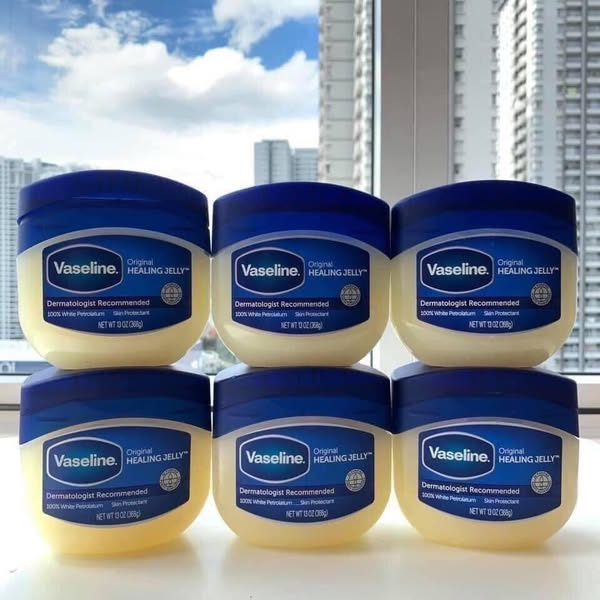
Petroleum jelly has remained a trusted skincare product for generations because of its simplicity, affordability, and effectiveness. While it isn't a miracle treatment or a replacement for specialized medical care, it can play an important role in protecting the skin's natural barrier and reducing moisture loss.
Whether you're dealing with dry hands, cracked heels, chapped lips, minor scrapes, or skin irritation caused by cold weather, petroleum jelly may offer a practical way to help keep your skin soft, comfortable, and well-protected.
As with any skincare product, the key is using it appropriately. Apply it to clean skin, avoid using it on infected wounds or severe burns, and pay attention to how your skin responds. If dryness, irritation, or other skin concerns persist despite home care, consult a dermatologist or another qualified healthcare professional for personalized advice.
Combined with healthy lifestyle habits and a consistent skincare routine, petroleum jelly can be a simple yet effective tool for supporting healthier, softer skin year-round.